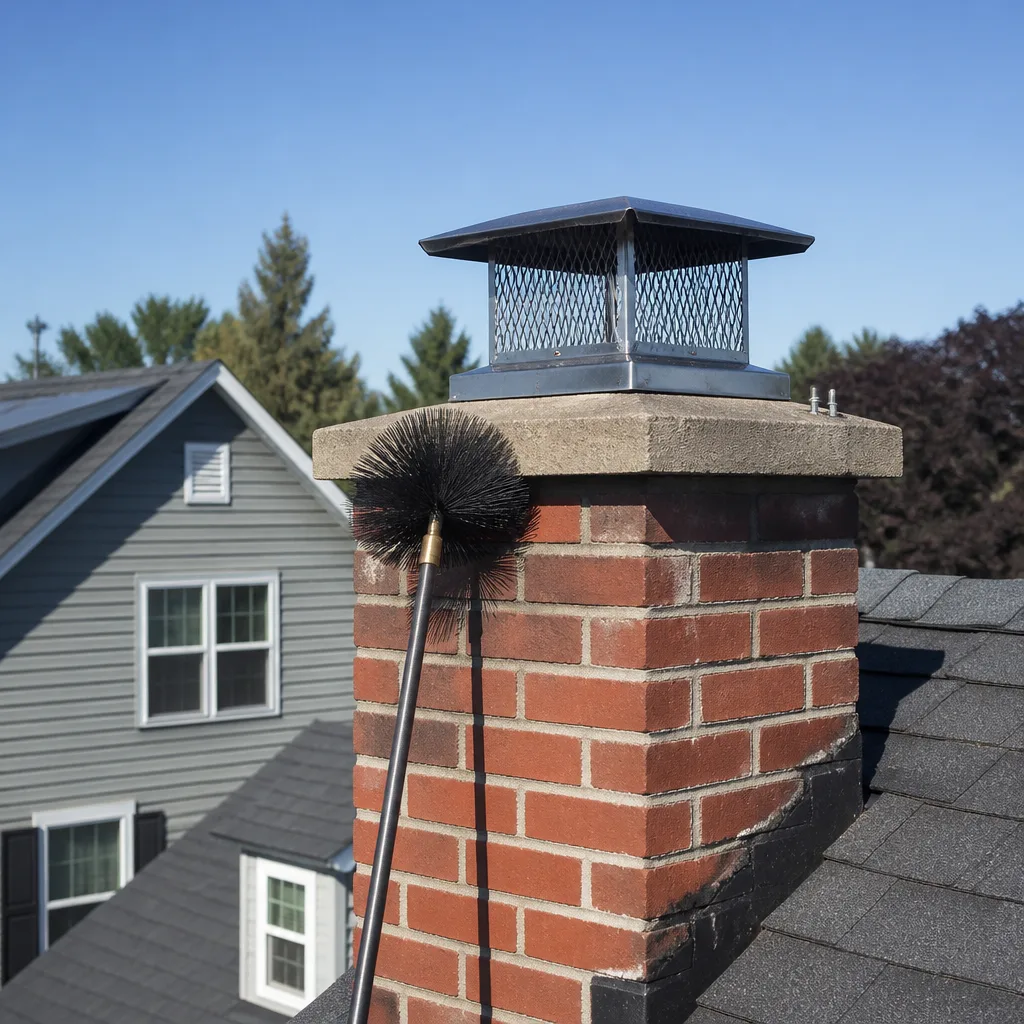
 Sweep & inspection
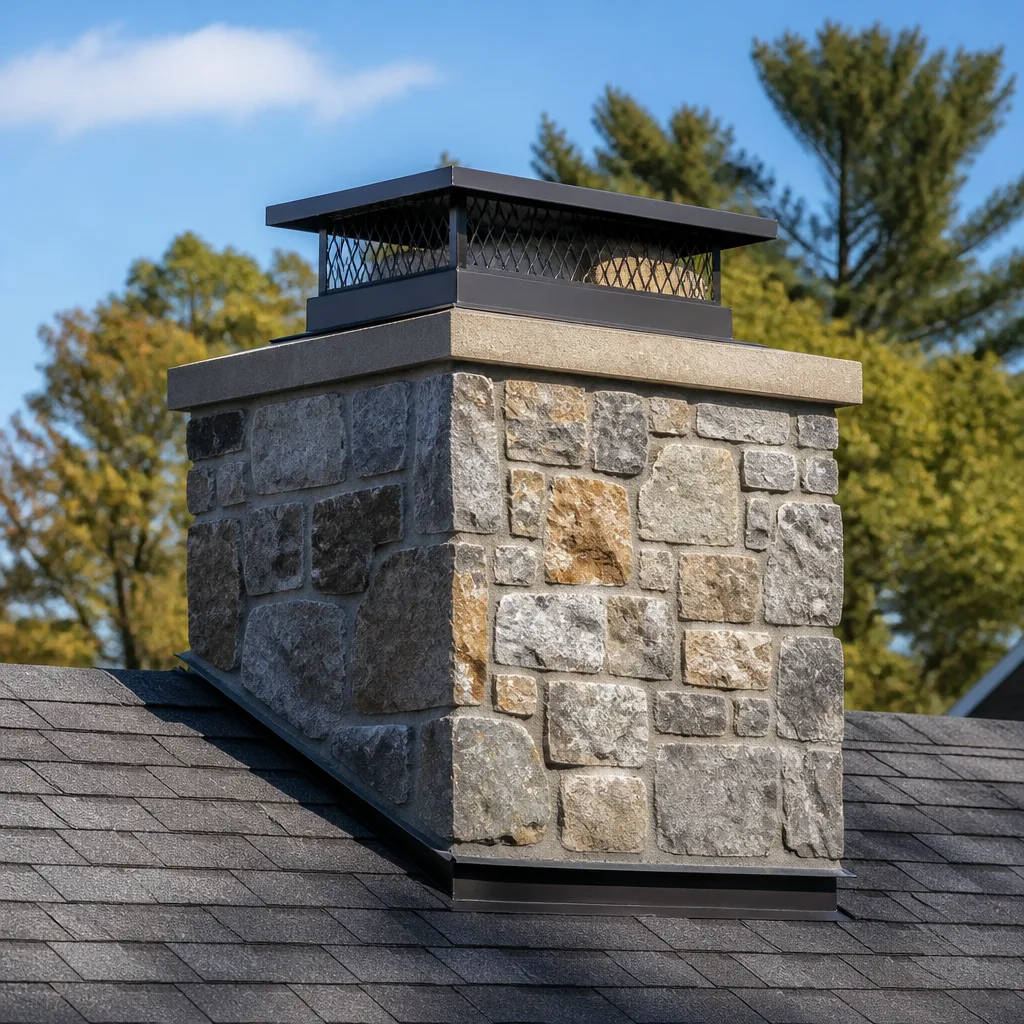 Caps & crowns
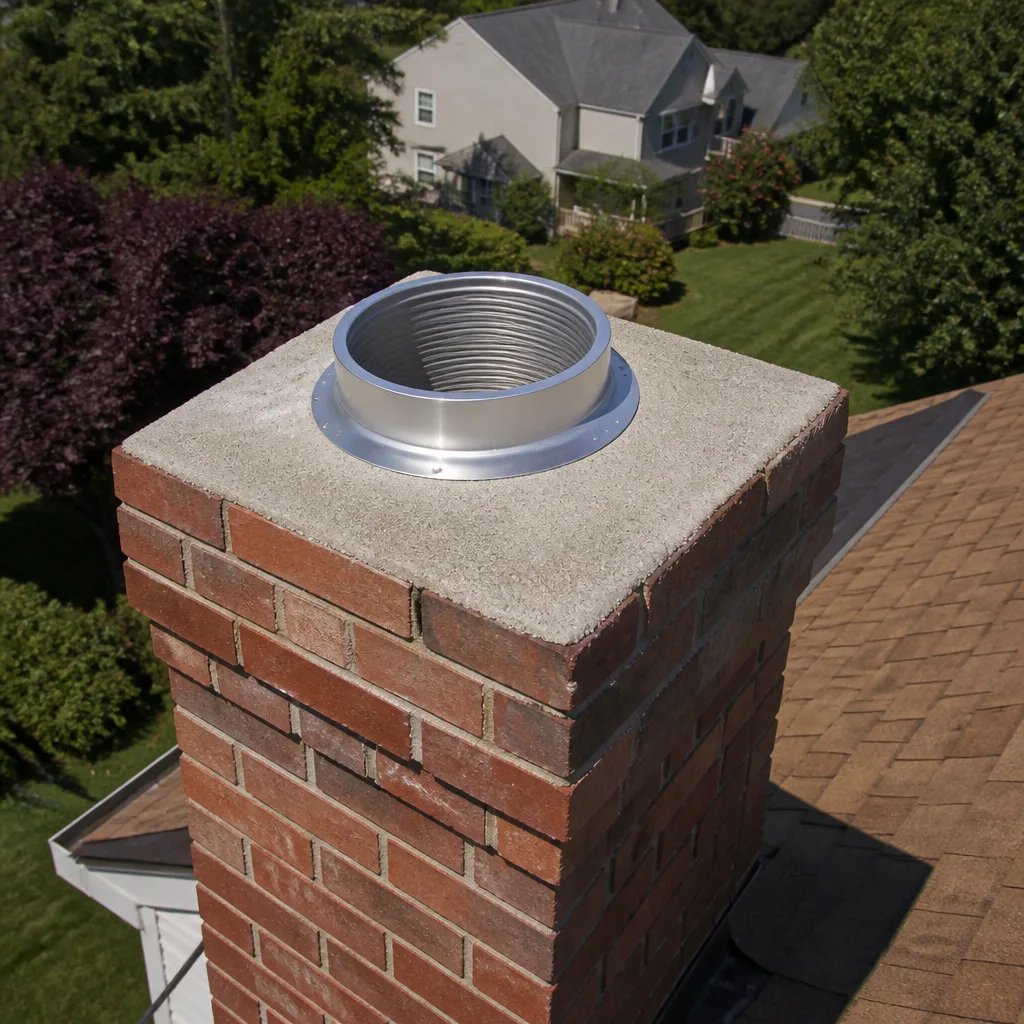 Flue relining
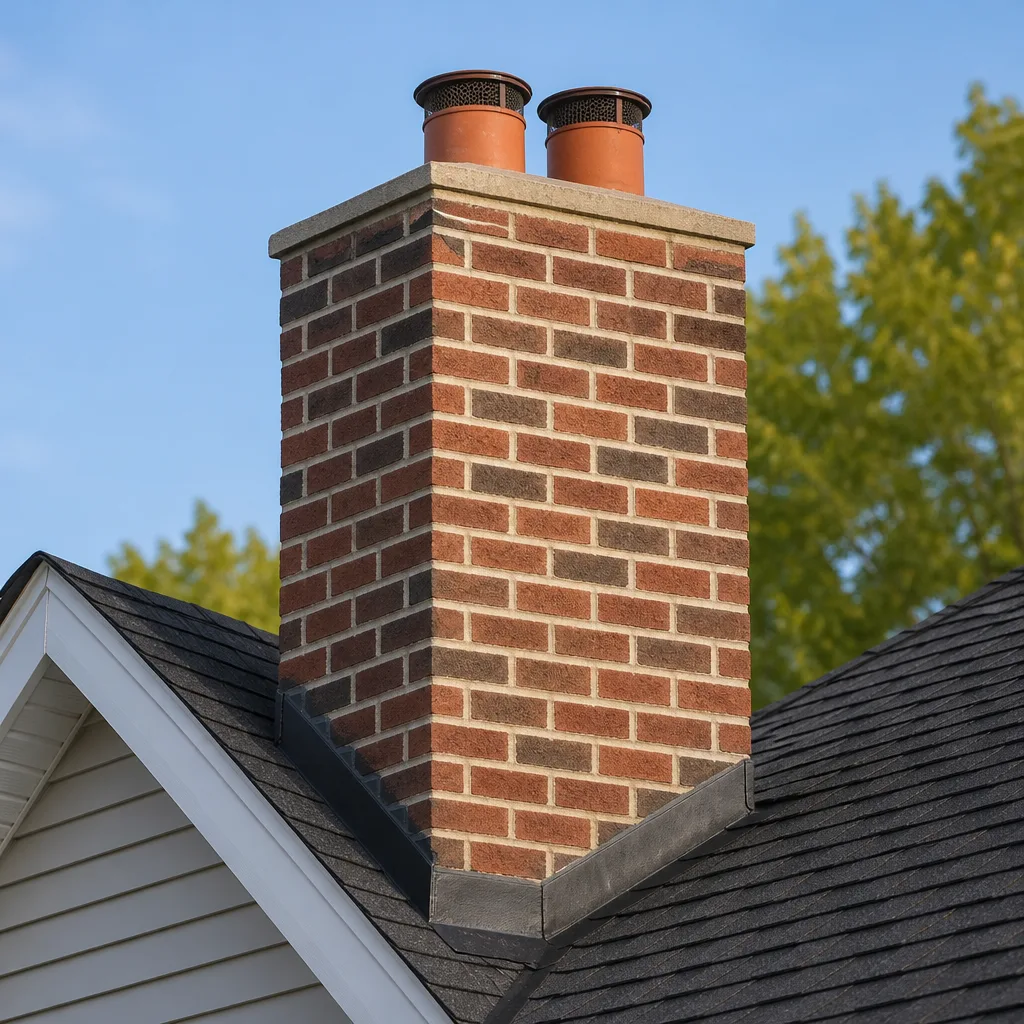 Masonry repair
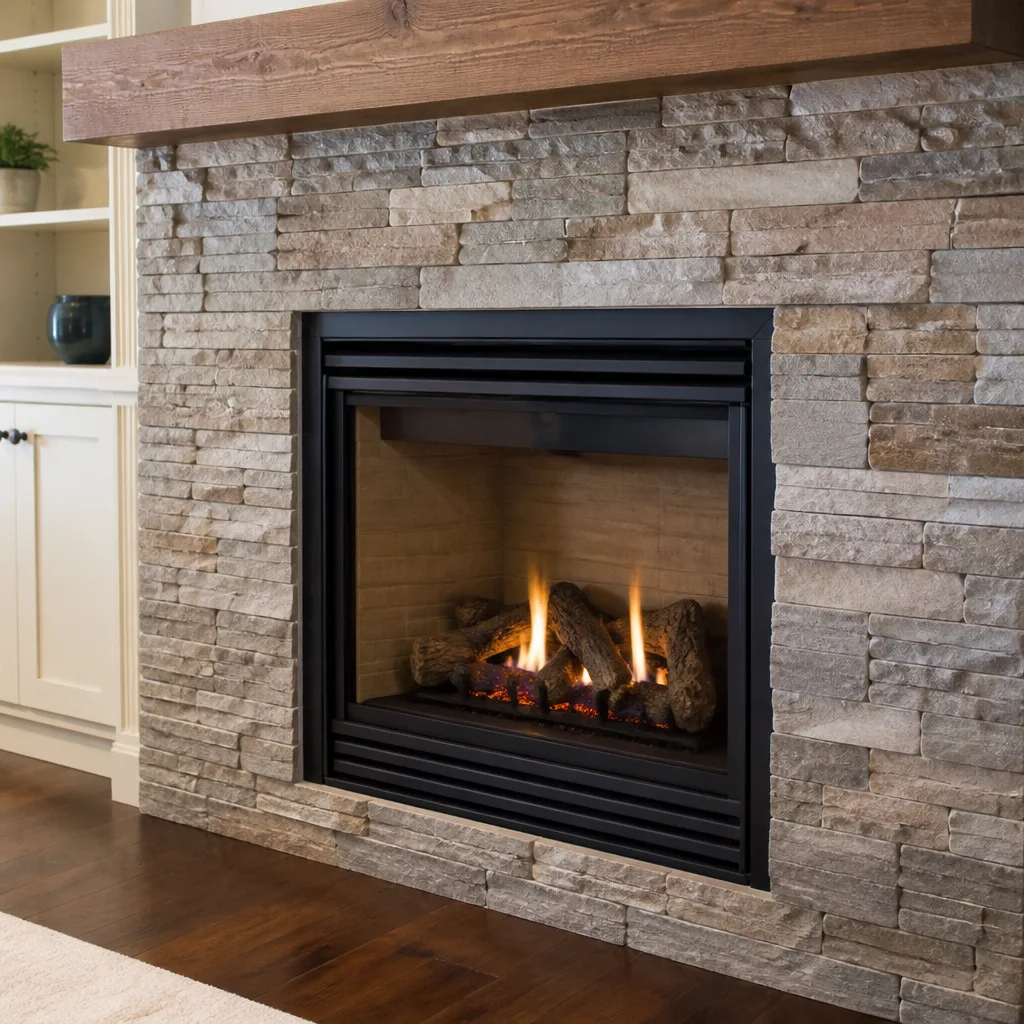 Gas fireplace service
Level 1 sweep and inspection to the NFPA 211 annual standard - flue, crown, cap, and flashing checked and photographed
Chimney sweep logs do not sweep chimneys. They loosen some creosote - which then falls where a brush and vacuum still have to collect it.
Why East Los Angeles Homeowners Choose HeatShield Chimney Cleaning
We provide independent HeatShield repair in East Los Angeles, specializing in the Armor firebox resurfacing and Fireguard flue relining systems in the 1920s-1950s bungalows that dominate this area. What sets our HeatShield work apart is that we diagnose why a previous resurfacing failed before we ever touch a trowel – delamination from trapped creosote, insufficient cure time, or water intrusion behind the masonry. As an independent HeatShield service provider, we’re not tied to a manufacturer’s sales targets, so we tell you plainly when resurfacing is right and when rebuilding the firebox beats another coating. Call (855) 554-2841 for an honest assessment of your HeatShield system.
Why Trust Hickory Chimney Sweep for Your HeatShield Chimney Cleaning?
Ruben Acosta started sweeping chimneys in East Los Angeles over two decades ago, and in that time he’s seen every way a HeatShield job can go wrong – and right. Our crews don’t just know how to apply HeatShield Armor and Fireguard; they understand the bond chemistry, the cure windows, and exactly why refractory mortar fails when it’s rushed. That matters because HeatShield work lives or dies on preparation and patience. The product itself is excellent. The application is where you see the difference between a crew that masks a problem and one that removes it down to sound masonry first. We use HeatShield’s specified refractory materials and cure schedules, never generic mortar substitutes, because the product’s warranty and performance both depend on it. Ruben’s training at East Los Angeles College in HVAC and mechanical systems gave him the technical foundation, but it’s the thousands of fireboxes he’s inspected across Boyle Heights, El Sereno, and City Terrace that built the diagnostic instinct. When you call, you get that experience applied to your fireplace.
Styles & brands we work with
Common HeatShield Chimney Cleaning Problems We Fix in East Los Angeles
- Armor delamination from trapped creosote. HeatShield Armor is a firebox resurfacing compound that bonds to masonry, but it can’t bond to soot. In East LA’s older bungalows, years of wood burning leaves a creosote film on firebox brick. If a previous contractor applied Armor over that film instead of grinding it back, the compound eventually separates from the brick, especially along the top of the firebox opening where heat concentrates. We see this regularly in the shallow, wide decorative hearths off Whittier Blvd and Cesar Chavez Ave. The fix is removing the old compound completely, grinding to sound brick, and re-applying with proper cure time – not slapping another coat on top.
- Cracking along the firebox opening joint. The seam where HeatShield Armor meets the original brick at the fireplace opening is a stress point. Thermal expansion cycles the brick and the refractory compound at slightly different rates. Over several seasons in a home where the fireplace sees short, intense burn bursts during winter inversions, that seam cracks. It’s not a product defect – it’s a geometry and heat-cycling issue that’s worse in older masonry. We reinforce that transition zone and often recommend a damper seal from a brand like Gelco to reduce thermal shock.
- Fireguard lining failure from insufficient cure time. HeatShield Fireguard is a cast-in-place flue relining system, which means the refractory material is pumped around a bladder inside the flue and must cure before any fire. When a contractor rushes the cure window to finish the job faster, the lining looks fine at first but fails under the first wood fire’s heat cycle. In East Los Angeles, where clay tile flues in 1920s-1950s homes are often stepped and irregular, proper Fireguard installation requires real patience with the bladder setup and the cure schedule. We don’t rush it.
- Water intrusion behind a sound lining. A failing chimney crown or cracked flashing lets water seep into the masonry surrounding a HeatShield lining. The lining itself may be perfectly intact, but water behind it freezes and thaws (even in LA’s mild climate, winter nights drop below freezing in the hills) and eventually pushes the lining away from the flue wall. If you see efflorescence or damp spots on the chimney exterior, the fix is crown repair and flashing work – not re-lining. We diagnose the water source before touching the lining.
- Smoke rollout from a resurfaced firebox that was never the real problem. This is the one Ruben sees most often. A homeowner has smoke rolling into the living room, a previous company resurfaced the firebox with HeatShield Armor, and the smoke is worse. The real cause is usually a drafting problem – a rusted-out damper, a flue obstruction, or a firebox that’s too shallow and wide for the chimney’s draft. HeatShield Armor fixes the firebox surface. It doesn’t fix drafting. That requires a Level 2 inspection to find the actual obstruction or airflow restriction. A Highland Park homeowner with a 1920s bungalow called us about exactly this: smoke rolling into the living room after a previous Armor job. Our Level 2 inspection found the old compound had delaminated along the top of the firebox opening because creosote had built up underneath it. We removed it, ground back to sound brick, re-applied Armor with the correct cure time, and the smoke issue cleared. But the diagnosis came first.
HeatShield Parts & Our Repair-vs-Replace Approach
HeatShield’s refractory compounds are proprietary, and we use the manufacturer’s specified materials for every Fireguard and Armor application. Generic refractory mortar from a masonry supply house isn’t the same chemistry, and using it voids the point of specifying HeatShield in the first place. For non-refractory components – caps, dampers, flashing – we source quality aftermarket parts from brands like Famco and Copperfield where OEM isn’t required. That keeps costs reasonable without cutting corners on safety. Our repair-vs-replace decision is simple: if the firebox masonry is structurally sound, resurfacing with HeatShield Armor is the right call. If the brick is spalling, crumbling, or the firebox has shifted, rebuilding beats resurfacing every time. We tell you which one you actually need, even when the cheaper answer is the one we’re recommending. Call (855) 554-2841 if you want a straight answer on your firebox.
Our HeatShield Service Process – Step by Step
- 1
Level 2 inspection first. Before any HeatShield work, we run a full Level 2 inspection with a camera. We’re looking at flue tile condition, smoke chamber geometry, damper function, and – critically – whether there’s existing creosote or water damage that would undermine a resurfacing. In East LA’s older homes, this inspection almost always turns up irregular flue configurations that change the installation plan.
- 2
Surface preparation. For Armor firebox work, we grind the existing surface back to sound masonry. No shortcuts. If there’s old compound, it comes off completely. Then we clean out all creosote and soot so the refractory has something to bond to.
- 3
Application and cure. We apply HeatShield Armor or Fireguard exactly to the manufacturer’s spec and respect the full cure schedule. That means no fire in the fireplace until the compound has set properly. We’ll tell you the exact waiting period, and we’ll explain why rushing it is the single most common cause of failure we see.
- 4
Testing and verification. After the cure, we run a draft test and do a visual inspection of the new surface. If you had smoke rollout before, we verify it’s gone. If there’s any remaining drafting issue, we address it before we call the job done.
- 5
Warranty documentation. We document every step – before photos, surface prep, application, and after – so you have a record if anything ever needs warranty attention downstream.
See the difference
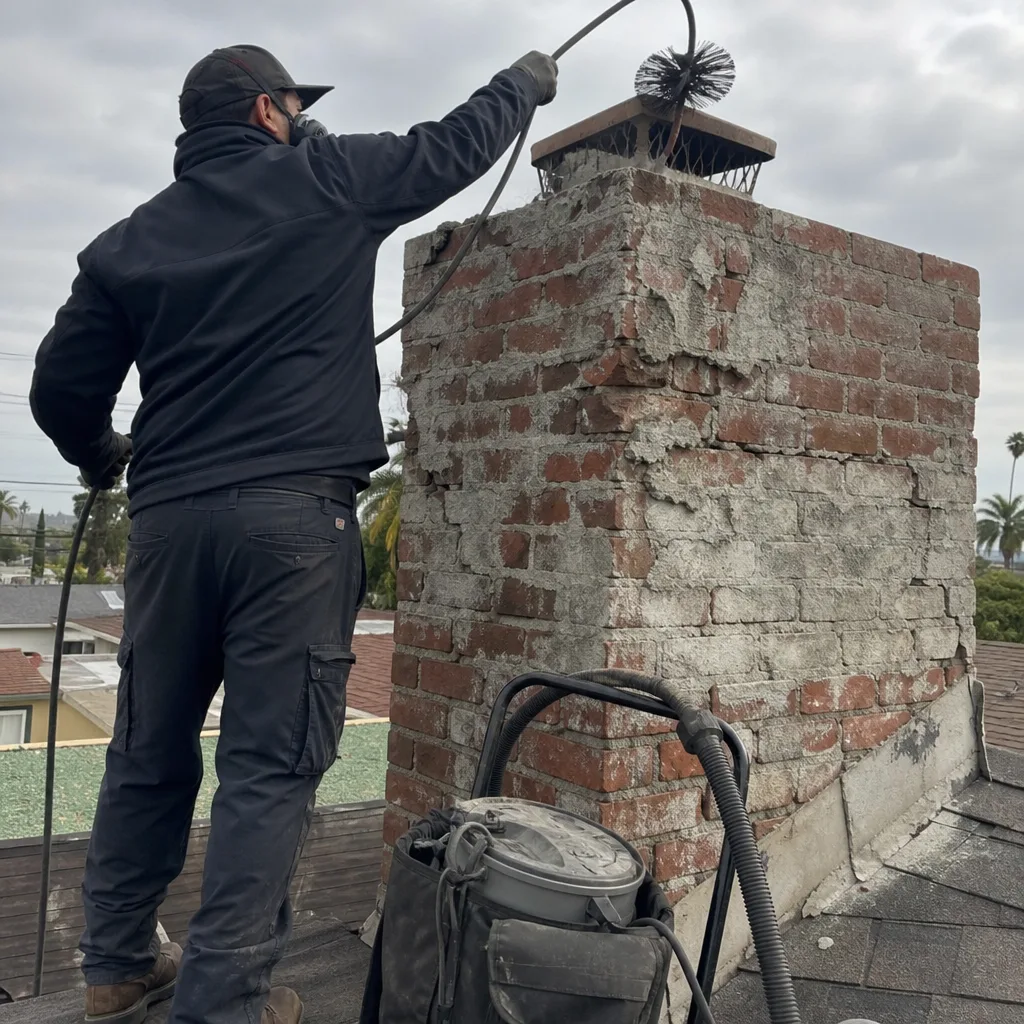 Before
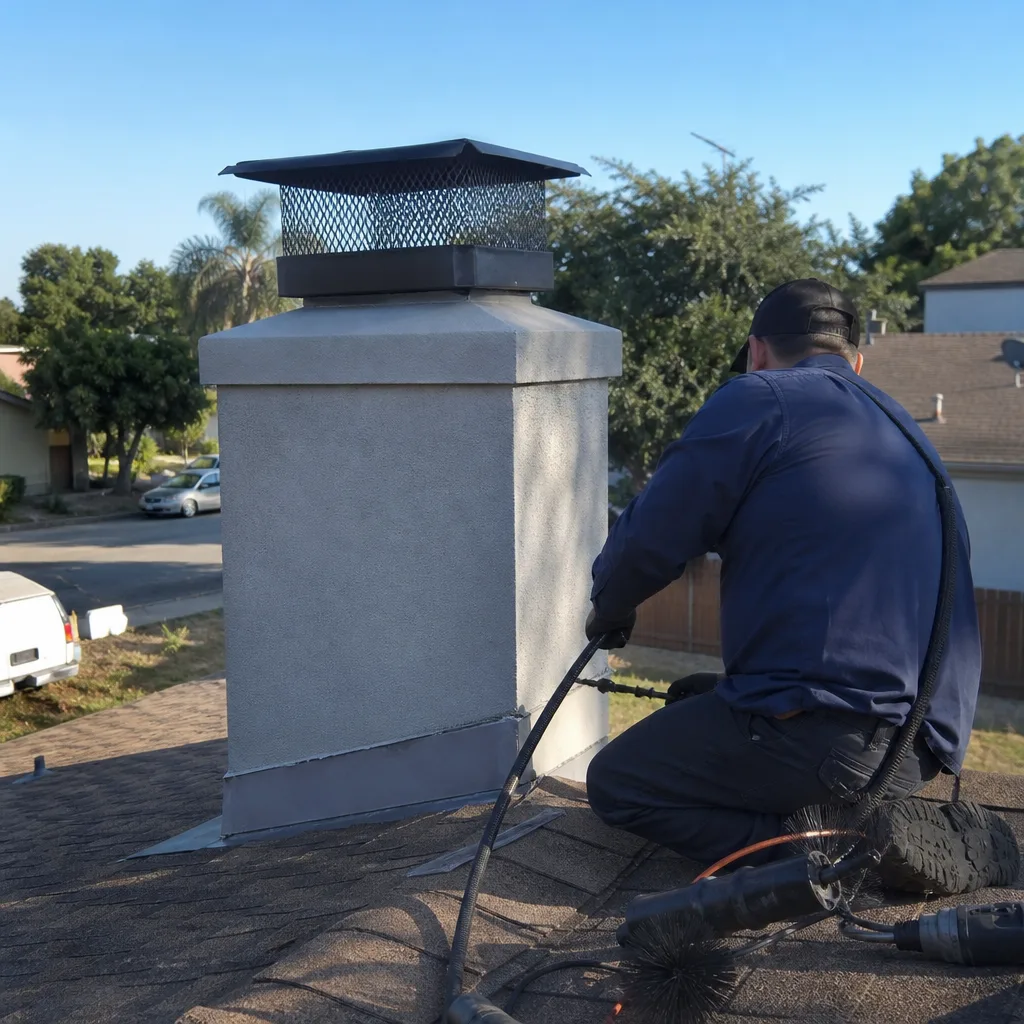 After
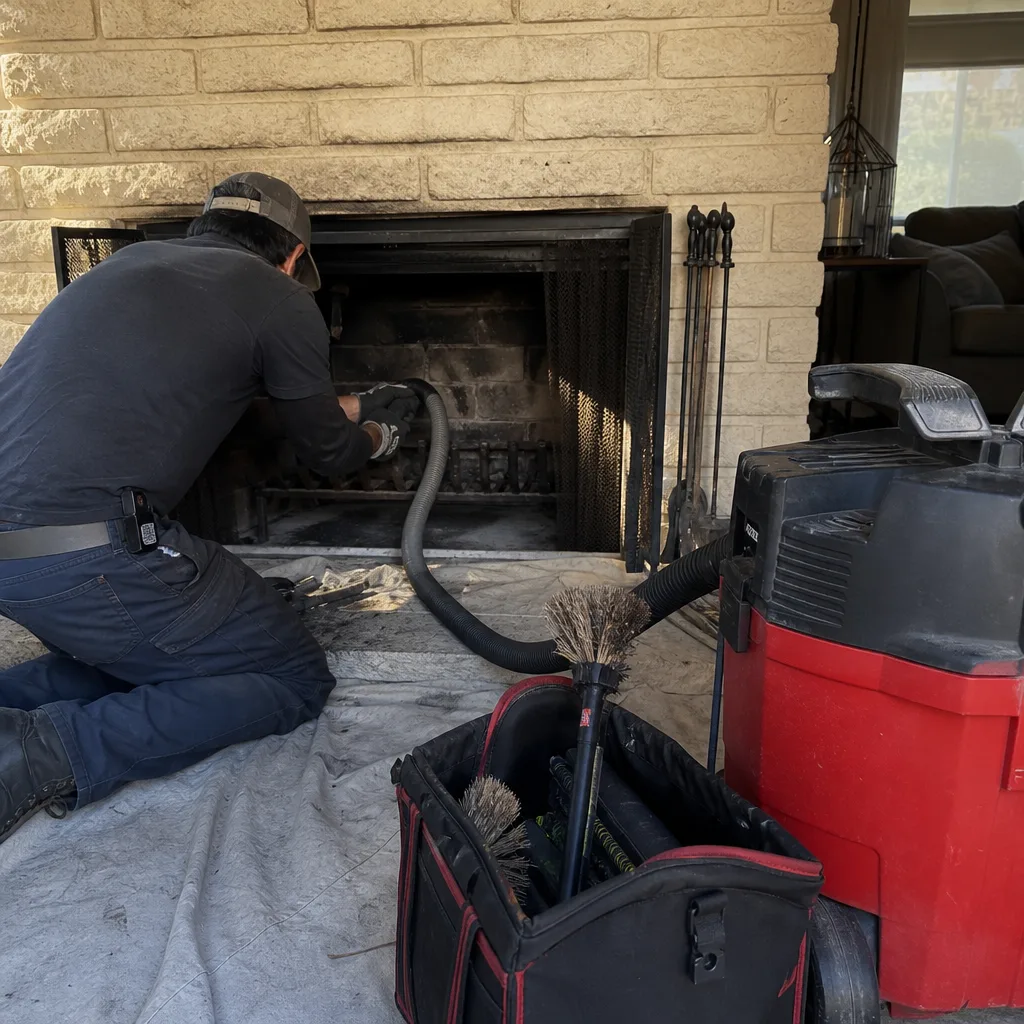 Before
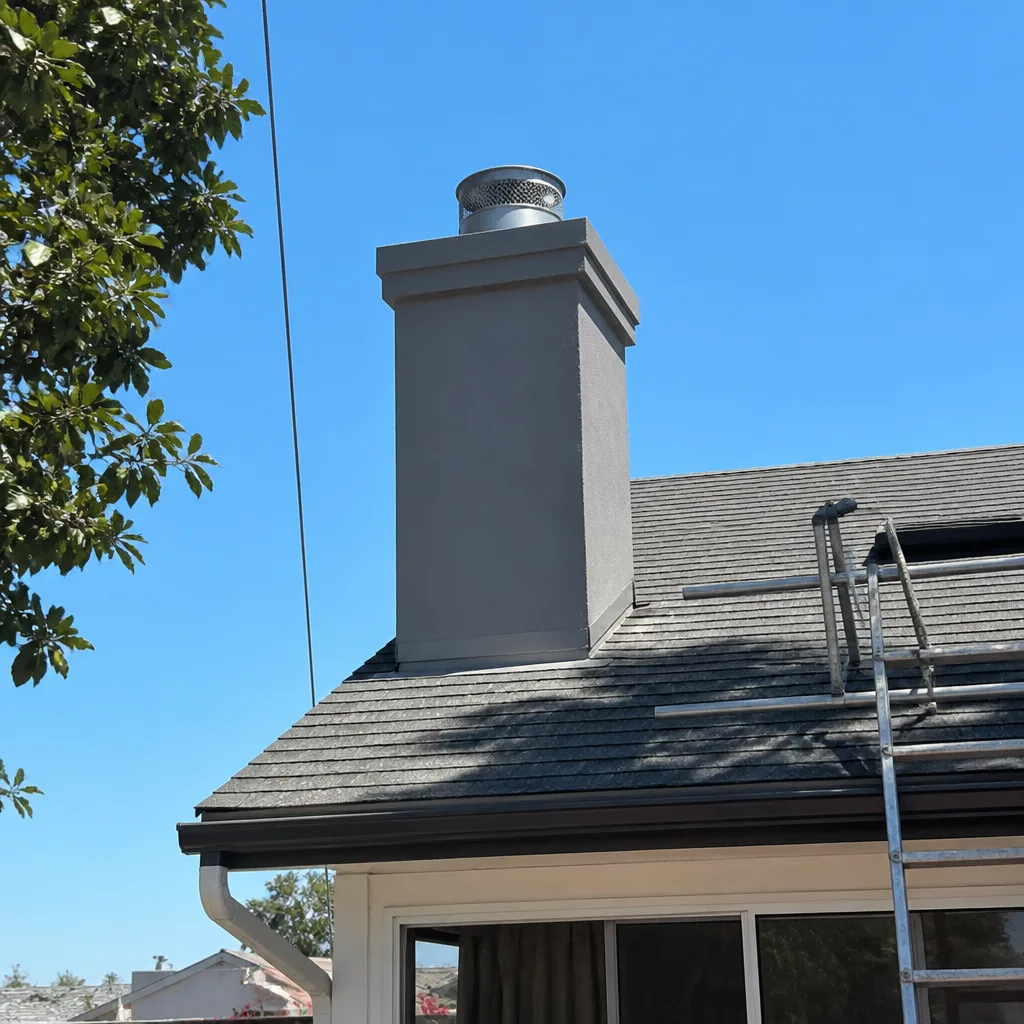 After
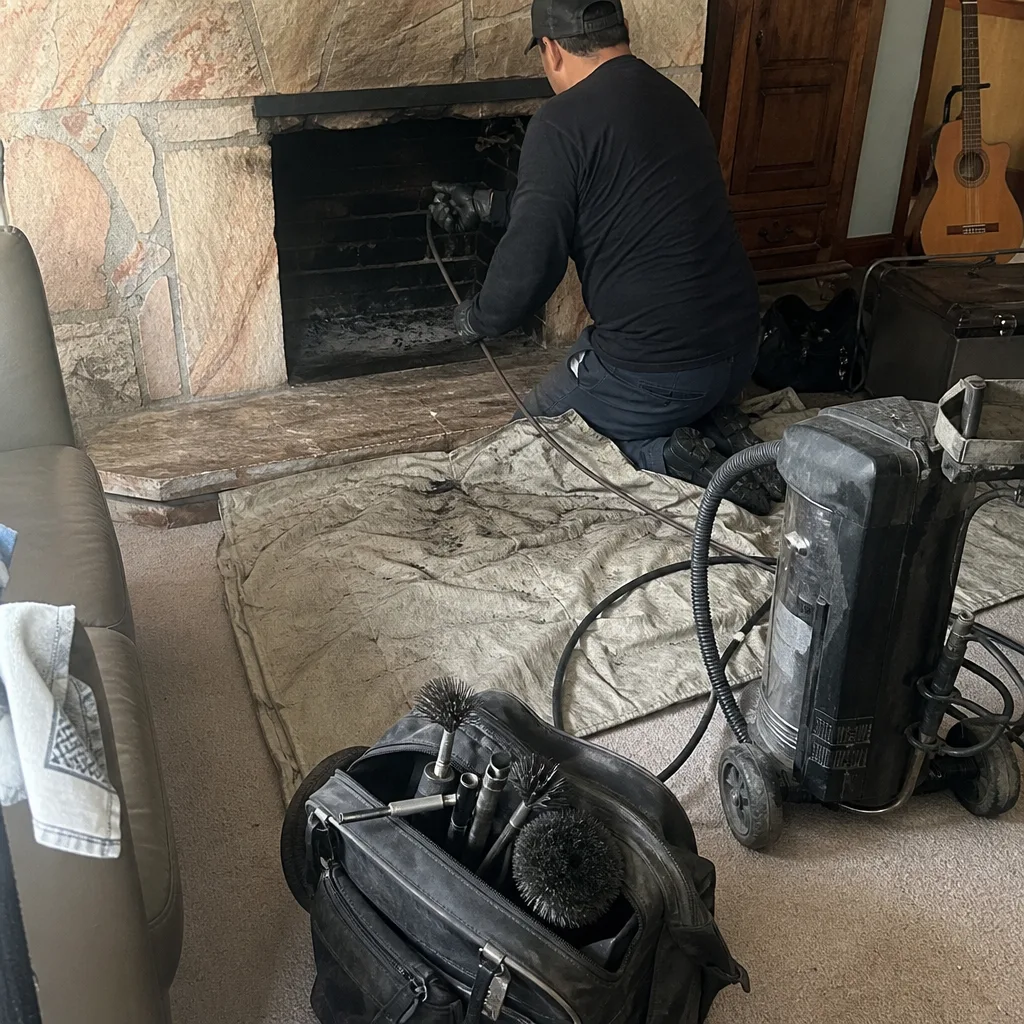 Before
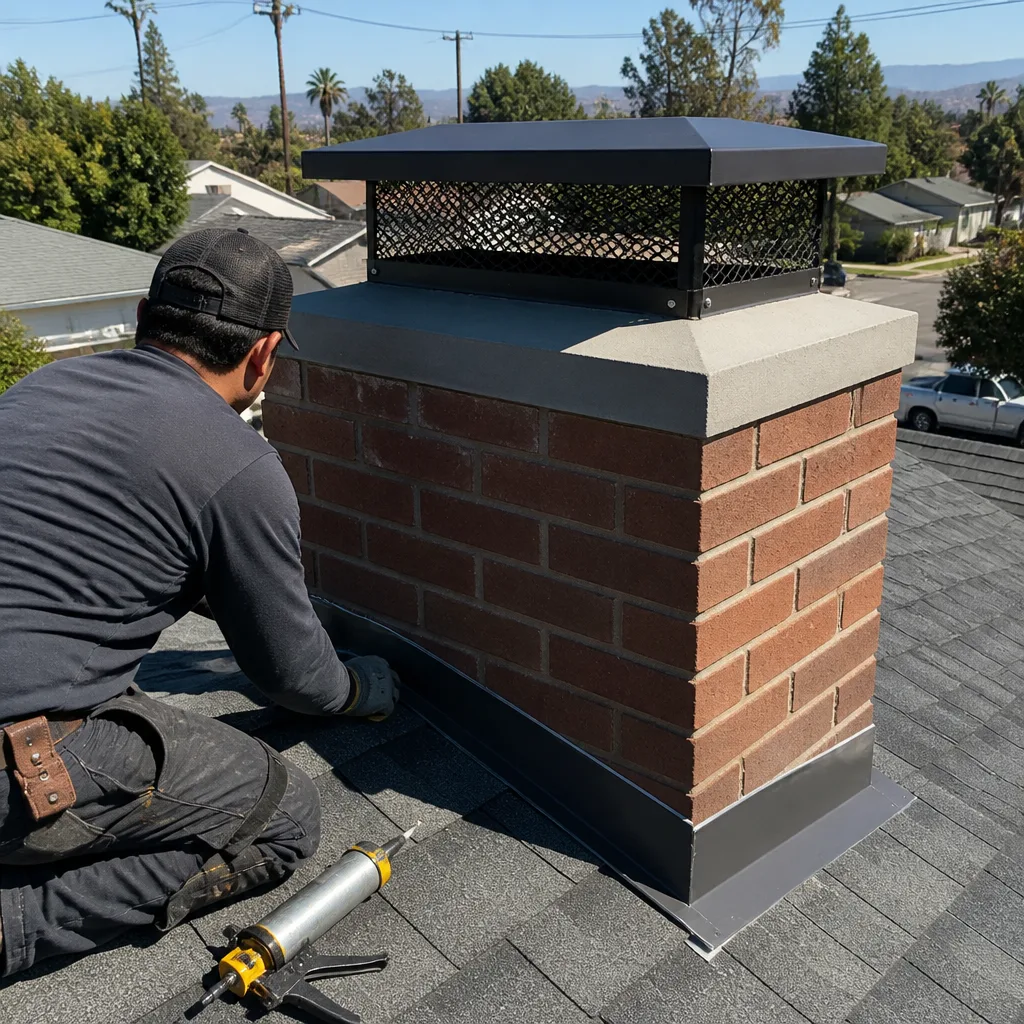 After
HeatShield Products We Service & Install in East Los Angeles
We service and install the full HeatShield residential product line: HeatShield Fireguard for cast-in-place flue relining when clay tiles are cracked or displaced; HeatShield Armor for firebox resurfacing when the firebrick is still structurally sound but the surface is deteriorated; the HeatShield Fireplace Insert Relining System for homes converting to gas inserts or wood stoves; and flue tile resurfacing for the stepped, offset clay tile flues common in East LA’s 1920s-1950s chimneys. Because these older homes rarely have straight flues, we keep flexible application equipment on hand that handles irregular geometry without hanging up the way a rigid system would.
We Also Service These Brands
HeatShield is excellent for resurfacing and relining, but it’s not the only system we work with. We install DuraFlex flexible liner systems for full chimney relining where that approach is the better fit, and we’re familiar with Gelco caps and dampers for exterior protection and draft control. If your chimney needs something HeatShield doesn’t cover, we’ll tell you what does. We stock and install what actually solves your problem, not what one brand happens to make.
FAQs – HeatShield Chimney Cleaning Service in East Los Angeles
No. We are an independent HeatShield service provider, not a manufacturer-authorized dealer or installer. That independence is deliberate. We recommend HeatShield when it’s the right product for the job, and we tell you when something else – or no resurfacing at all – is the better answer. Manufacturer authorization doesn’t make a better installer. Experience does.
For refractory compounds and curing materials, yes. HeatShield Fireguard and Armor are proprietary formulations, and using a generic substitute changes the chemistry of the repair. We use the manufacturer’s specified materials for every HeatShield application. For non-refractory parts like caps and dampers, we use quality aftermarket brands like Famco and Copperfield where OEM isn’t required, which keeps the job affordable without compromising safety.
Most HeatShield Armor firebox resurfacing jobs in Montebello and East Los Angeles take one to two days on site, plus the manufacturer-mandated cure time before the first fire. Fireguard flue relining is typically a two-day process. The cure time is non-negotiable – we won’t shorten it to finish faster, because a lining or resurfacing that hasn’t cured properly is the number one reason these jobs fail. If you’re planning to use your fireplace for a specific date, call (855) 554-2841 and we’ll work backward from your timeline so the cure window is respected.
We service and install HeatShield Fireguard, HeatShield Armor, the Fireplace Insert Relining System, and HeatShield flue tile resurfacing. If you have an older HeatShield application from a previous contractor and you’re not sure which system was used, our Level 2 inspection will identify it. A large share of our HeatShield work in East Los Angeles is correcting or re-doing previous applications that failed – we see every model line in the field.
No, not if the work is done correctly using the manufacturer’s specified materials and cure schedules. What voids a HeatShield warranty is improper application – usually rushing the cure time or applying compound over an uncleaned surface. Our process follows HeatShield’s specifications exactly, and we document the work with photos and application notes so you have a clear record. If a previous company did the HeatShield work and it’s failing, that failure is almost always an installation problem, not a product problem. We can assess it and tell you what’s actually going on.
HeatShield-specific chimney cleaning and inspection in Boyle Heights and East Los Angeles typically runs between $275 and $450 for a Level 2 inspection with cleaning, depending on flue condition and whether resurfacing work is included. Full Fireguard relining is a larger job, generally in the $3,500 to $7,000 range depending on flue height and geometry. Armor firebox resurfacing usually falls between $1,200 and $2,800 depending on firebox size and surface prep required. The only way to get an exact number is to see the firebox and flue in person. Call (855) 554-2841 for a free estimate – no charge for the assessment, and no resurfacing recommendation without camera evidence you can see for yourself.
No, not properly. You can’t bond new refractory compound to old compound, especially old compound that’s already failing. The correct approach is removing the existing Armor down to sound brick, addressing whatever caused the original failure (trapped creosote, water intrusion, or thermal stress), and re-applying. Layering new over old is how you end up with compound that delaminates within a season or two. We see this happen in East Los Angeles regularly – a quick “fix” that doesn’t fix anything.
Yes. Every Fireguard installation starts with a Level 2 camera inspection. We need to see the existing flue tile condition, whether there are offsets or stepped tiles that will affect the bladder setup, and whether there’s water damage or creosote buildup that would undermine the new lining. Skipping this step is how linings get installed in flues that aren’t ready for them. Tell me what the flue looks like and I’ll tell you what your winter looks like.
Usually not. Smoke rollout after a resurfacing job is most often a drafting problem – a damper that isn’t opening fully, a flue obstruction, or a firebox geometry issue that resurfacing doesn’t address. HeatShield Armor fixes the firebox surface, not the airflow. The right first step is a Level 2 inspection to find the actual cause. In our experience with Commerce HeatShield service and East LA’s shallow, wide decorative hearths, drafting problems are common even with a perfectly sound firebox surface. Call (855) 554-2841 and we’ll diagnose it properly rather than guessing.
It affects the preparation more than the product. HeatShield materials work just as well in a 1928 Spanish Colonial as in a new build. What’s different in East Los Angeles is what’s underneath: decades of soot saturation in the firebox brick, stepped clay tiles that complicate flue work, and masonry that’s been patched and remodeled multiple times. If the surface prep accounts for all that – grinding deep enough, cleaning thoroughly, respecting cure time – the HeatShield work holds up. The failures we see in older homes are almost always prep failures, not product failures.
It depends on the specific application, the ambient conditions, and the manufacturer’s cure schedule for that particular job, but plan on at least 48 to 72 hours before the first fire. Rushing this is the single most common cause of early failure we correct in East Los Angeles. We’ll give you the exact wait time for your job when we finish the work, and we’ll explain why it matters. A fireplace that’s been sitting cold for decades can wait another day for a repair that lasts.
Book Your HeatShield Service in East Los Angeles, CA
If you have a HeatShield system that’s failing, or you’re considering resurfacing your firebox or relining your flue, call (855) 554-2841. We’ll schedule a Level 2 inspection, show you exactly what the camera sees, and give you a straight answer on what needs to happen. Free estimates, no pressure, and no resurfacing recommendation without evidence in hand.
Written by Ruben Acosta, Owner at Hickory Chimney Sweep, serving East Los Angeles and the surrounding neighborhoods for over two decades.