


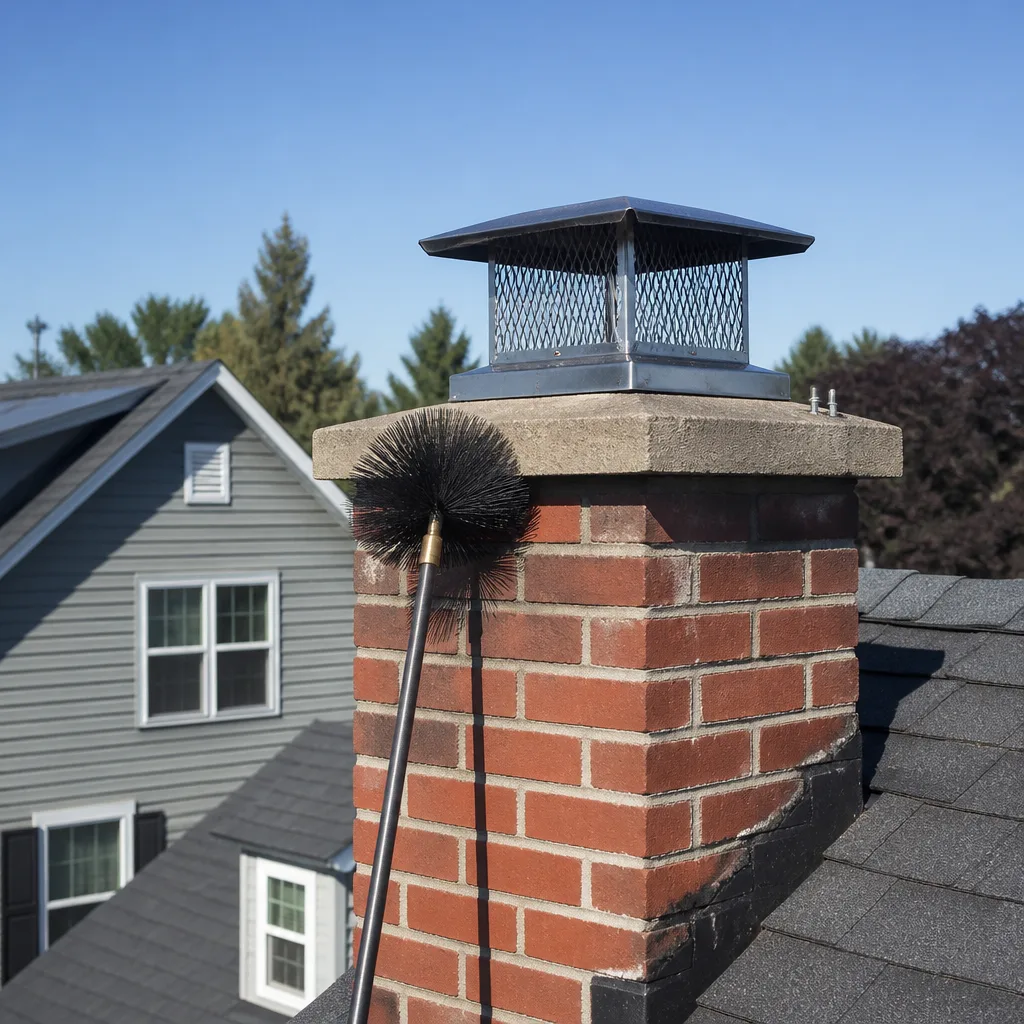
 Sweep & inspection
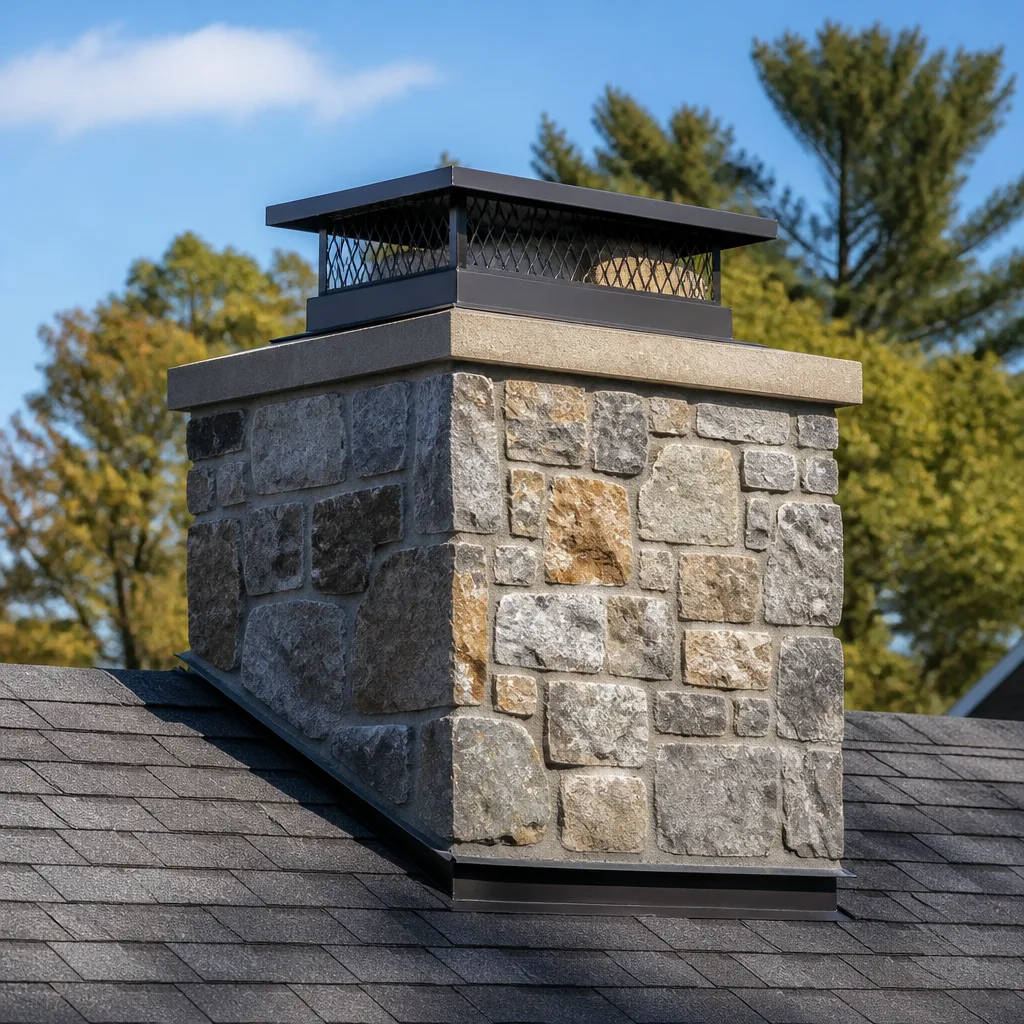 Caps & crowns
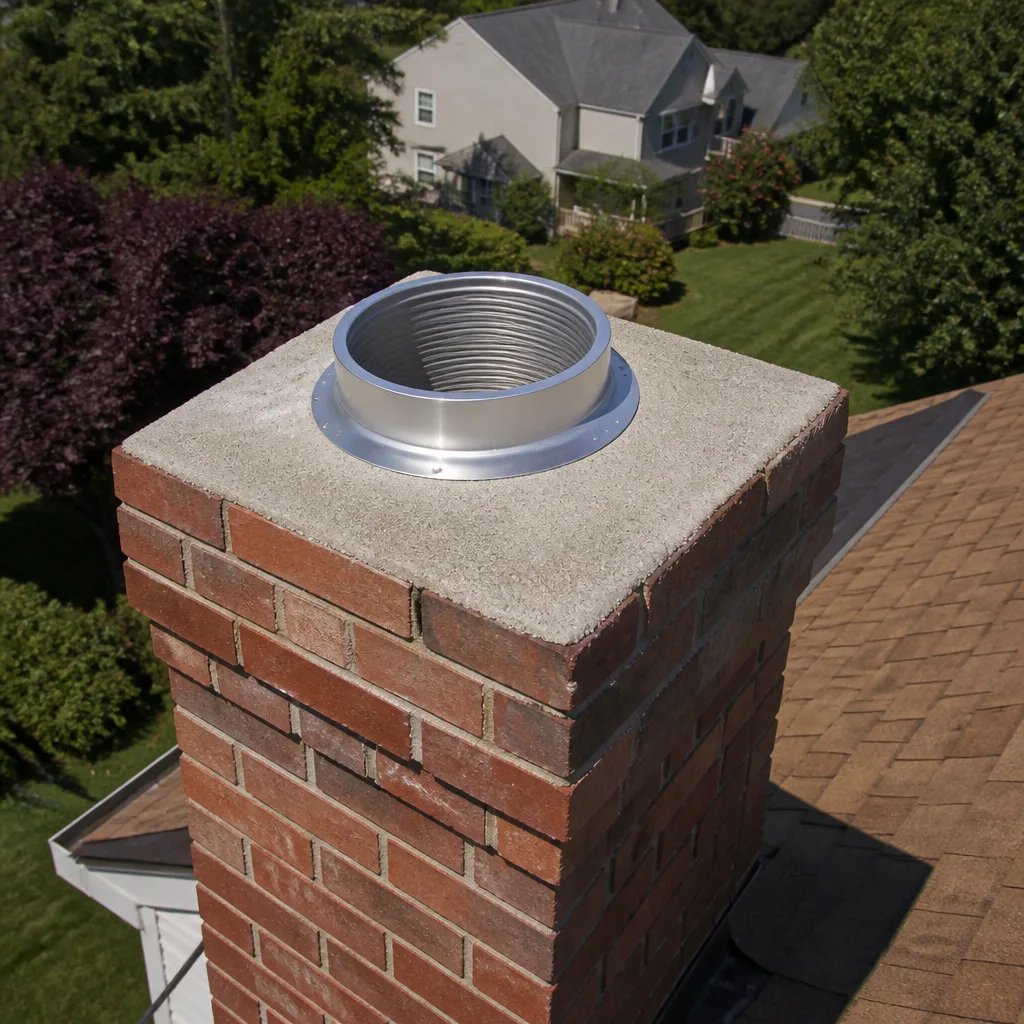 Flue relining
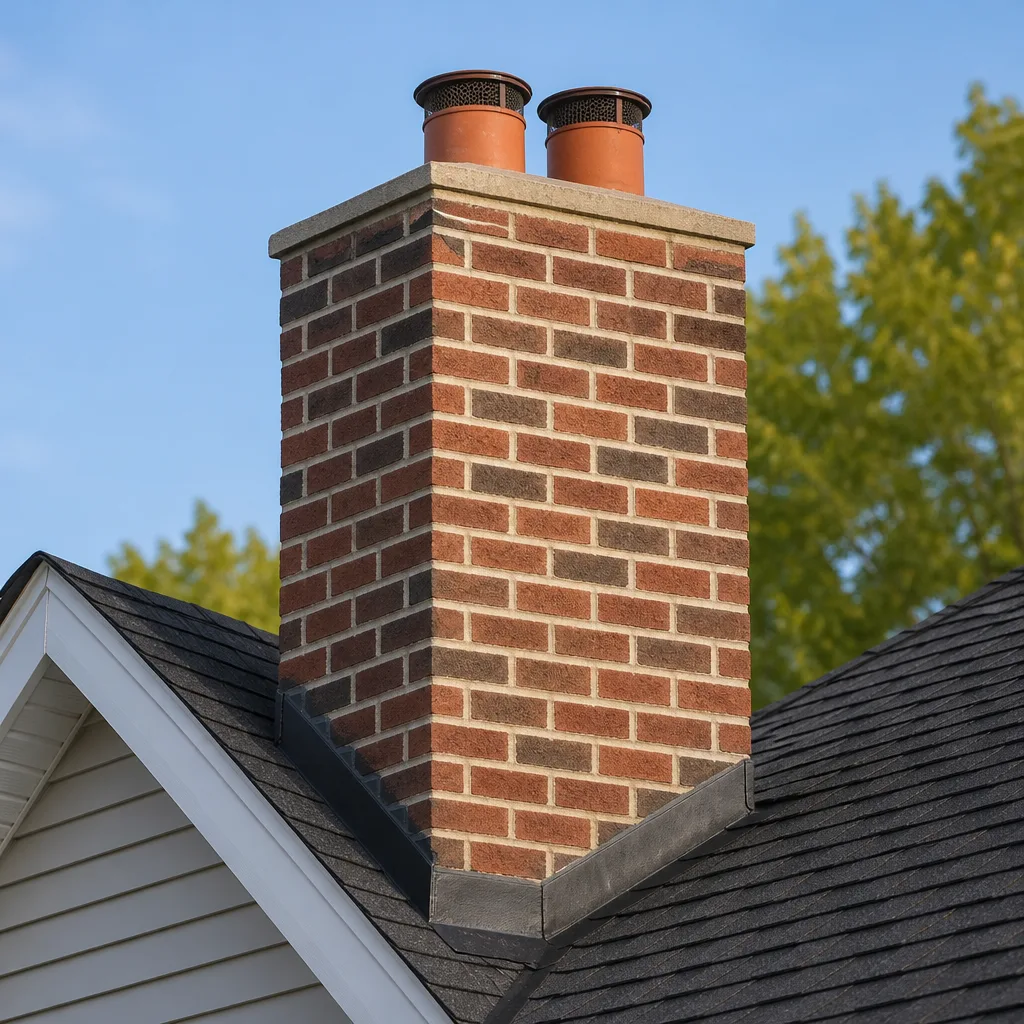 Masonry repair
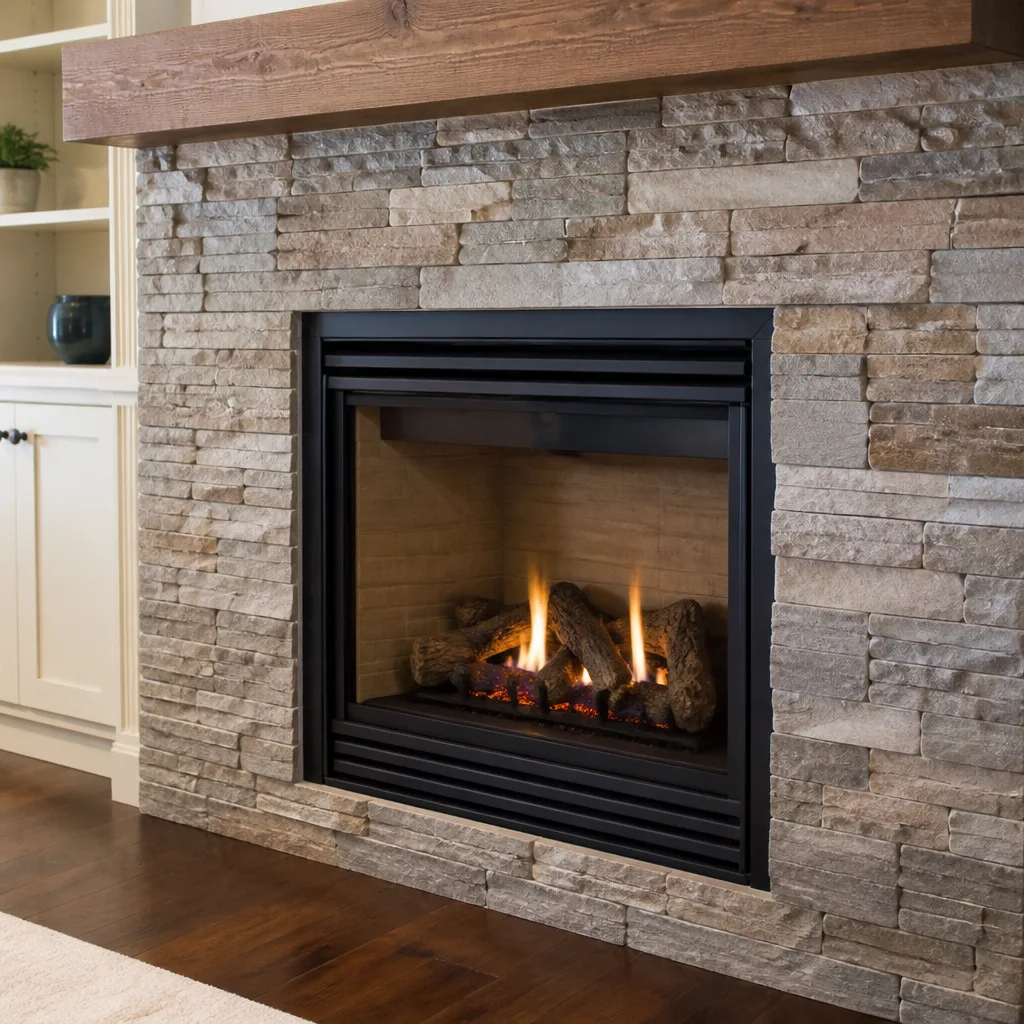 Gas fireplace service
Level 1 sweep and inspection to the NFPA 211 annual standard - flue, crown, cap, and flashing checked and photographed
Chimney sweep logs do not sweep chimneys. They loosen some creosote - which then falls where a brush and vacuum still have to collect it.
Fast, Reliable Dryer Vent Cleaning Across Lomita
Dryer vent cleaning in Lomita typically costs $139 – $229 and takes about an hour from setup to final airflow test. Most Lomita homeowners schedule us because their dryer suddenly takes two cycles to finish a load, the laundry room feels humid, or the outside vent hood hasn’t opened in months. If any of that sounds familiar, call (855) 554-2841 now. We’ll get you on the schedule fast, because a clogged vent in a coastal town like Lomita doesn’t wait patiently.
Hickory Chimney Sweep isn’t a franchise outfit that parachutes in and can’t find Lomita Park on a map. We work these streets regularly, from the older ranch homes near Walnut Street down to the newer infill off 247th. We know the housing stock, we know the salt air, and we know exactly what those two things do to a dryer vent system over time. This page covers what we do, what it costs, and why Lomita’s coastal location changes the maintenance math.
Why Hickory Chimney Sweep Is Lomita’s Preferred Dryer Vent Cleaning Company
Dryer vent cleaning is not a side gig for us. It’s one of three core services we run alongside chimney sweep and chimney repair, which means we approach your dryer vent the same way we approach a flue liner: as a fire-safety system that fails slowly and quietly. That’s the lens that matters. A dryer vent packed with lint is a leading cause of residential appliance fires, and in Lomita the failure pattern is more aggressive than inland because of what the marine air does to metal components.
Homeowners here call us for two reasons. Sometimes it’s the slow-drying, hot-laundry-room problem that signals restricted airflow. Other times it’s a home sale, a tenant turnover, or an insurance inspection. Either way, we show up ready. We carry stainless steel hoods, rigid duct, connectors, and manometers on the truck, so we don’t clean a vent, discover a rusted termination cap, and tell you to call someone else. We fix it the same visit.
Ruben Acosta runs our Lomita jobs personally, and he’s particular about two things: first, that the vent actually drafts properly when we leave, measured with a manometer, not guessed at. Second, that you see what we saw. Every dryer vent cleaning includes a before-and-after photo report, so when we recommend a repair, you’re not taking our word for it on trust. You’re looking at the same rust, the same kinked duct, the same lint block we found.
Styles & brands we work with
Our Dryer Vent Cleaning Services in Lomita
Dryer Vent Cleaning
We run a powered rotary brush through the full vent run from dryer connection to exterior termination, then vacuum the line and test static pressure. In Lomita’s 1950s and 60s era ranch homes, that run is often longer than it should be, snaking through a garage, up an exterior wall, and out a stucco soffit. Every bend is a lint trap. Every lint trap is fuel. We clean the full run, not just the first three feet.
Because coastal moisture hardens lint into a paste that clings to duct walls, a simple brush pass isn’t always enough on Lomita vents. We check for caked buildup and, when we find it, we don’t rush the job. We work the line until airflow reads right. In the Lomita Pines area especially, we see vents that haven’t been opened in a decade because they’re tucked behind garage shelving and forgotten.
Dryer Vent Installation
When we install a new dryer vent in Lomita, we use rigid metal duct, not flexible foil or plastic. The old flexible plastic stuff common in postwar tract homes here sags under its own weight, collects lint at the low points, and is nearly impossible to clean properly. It also gets brittle after a few years of coastal temperature swings.
We route the shortest legal run, secure every joint with aluminum tape (never screws, which snag lint), and terminate with a stainless steel hood that actually flips open when the dryer runs. For Lomita’s salt-air environment, stainless matters. We’ll explain that in detail below.
Dryer Vent Repair
Most repair calls in Lomita come down to three things: a crushed or kinked duct, a rusted-open termination hood, or a disconnected joint hidden in a wall or attic. The rusted hood is the coastal signature problem. Galvanized hoods in Lomita seize up or rust through in five to seven years, half the lifespan you’d expect in Torrance or Carson just a few miles inland.
When we repair, we repair to last. That means replacing failed galvanized components with stainless steel models from Copperfield or Famco, re-securing any joints, and testing the full run before we pack up. We’d rather install a $40 stainless hood once than a $12 galvanized one three times.
What happens when you call
- 1
A real person answersNo phone trees — you reach a local pro.
- 2
You get an upfront price rangeHonest numbers before anyone is dispatched.
- 3
A background-checked tech heads outLicensed & insured, dispatched right away.
- 4
You approve before work beginsNothing starts until you say go.
Trusted Brands We Service in Lomita
We stock and install dryer vent components from Copperfield and Famco, the same suppliers professional installers specify, not what’s on the aisle end-cap at the hardware store. Copperfield makes a heavy-duty stainless steel vent hood that holds up to Lomita’s marine air far better than galvanized. Famco provides termination caps and roof components that seal properly against coastal moisture intrusion. Gelco and Olympia Chimney products show up on the chimney side of our work, so if your dryer vent exits near a fireplace flue or shares a chase, we’re already familiar with the materials and clearances involved. We carry common parts on the truck, which means a Lomita repair usually gets done in one visit, not one visit to diagnose and a second to come back with the part.

Common Dryer Vent Cleaning Problems We See in Lomita Homes
- Rusted-open flapper hoods. Lomita’s salt air corrodes galvanized vent hoods quickly. When the flapper rusts open or seizes, birds and rodents get in, cold air pushes back into the laundry room, and the vent becomes an open invitation. We replace these with stainless steel by default.
- Flexible foil duct sagging between joists. Most 1950s and 60s era Lomita ranches were built before modern dryer vent standards. If the original owner orb a past flipper ran flexible foil or plastic duct through the attic or crawl space, it’s sagging, trapping lint at the low points, and likely kinked behind the laundry room wall.
- Lint paste from coastal humidity. This is the one people don’t expect. Lint plus moisture from Lomita’s marine layer becomes a hardened sludge against the duct walls. It doesn’t just sit there; it shrinks the effective diameter of the pipe, restricts airflow, and forces the dryer to run longer and hotter. Often misdiagnosed as a failing dryer.
- Uncapped or poorly capped terminations. On older Lomita homes, the exterior vent is frequently just a hole in the stucco with a cheap plastic grille. No damper, no screen. Birds in the vent. During Santa Ana wind events, dust and debris get driven straight into the duct. That’s a fire risk you can eliminate with the right cap.
See the difference
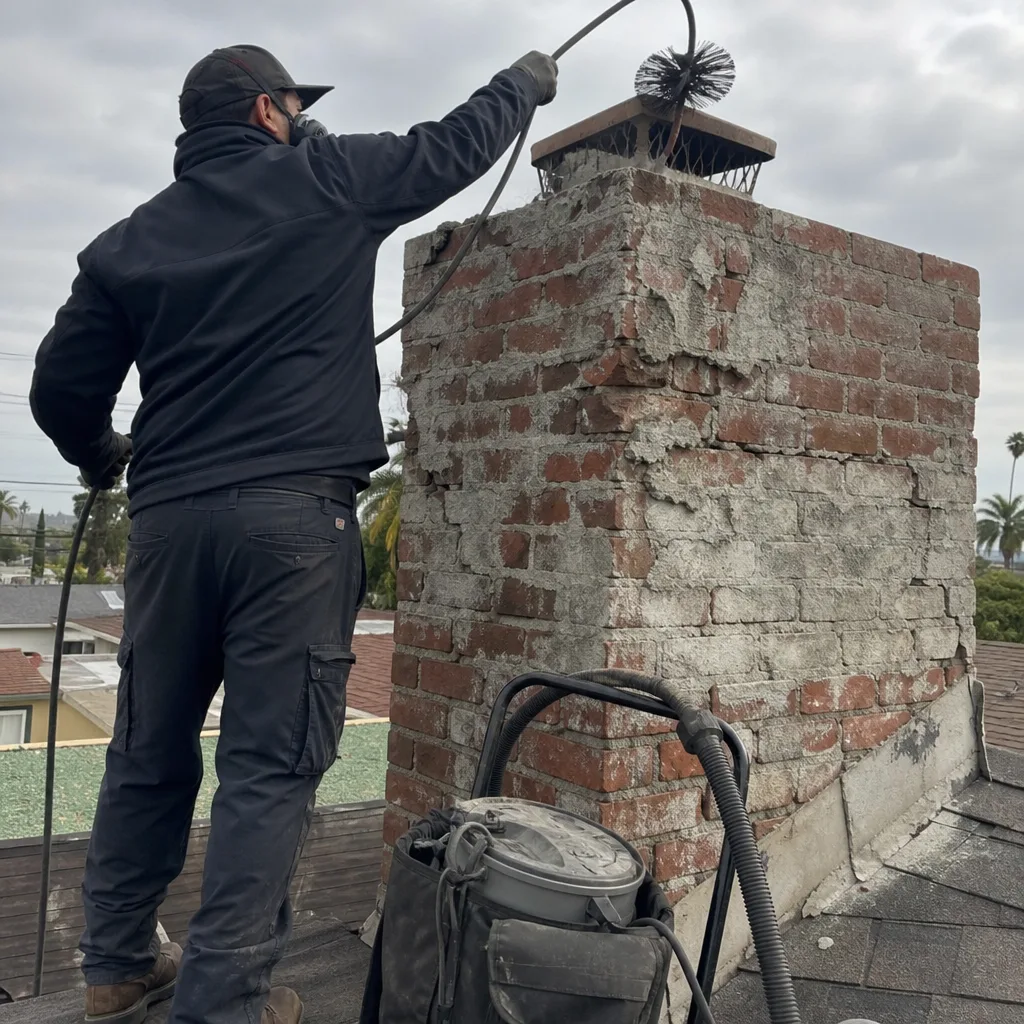 Before
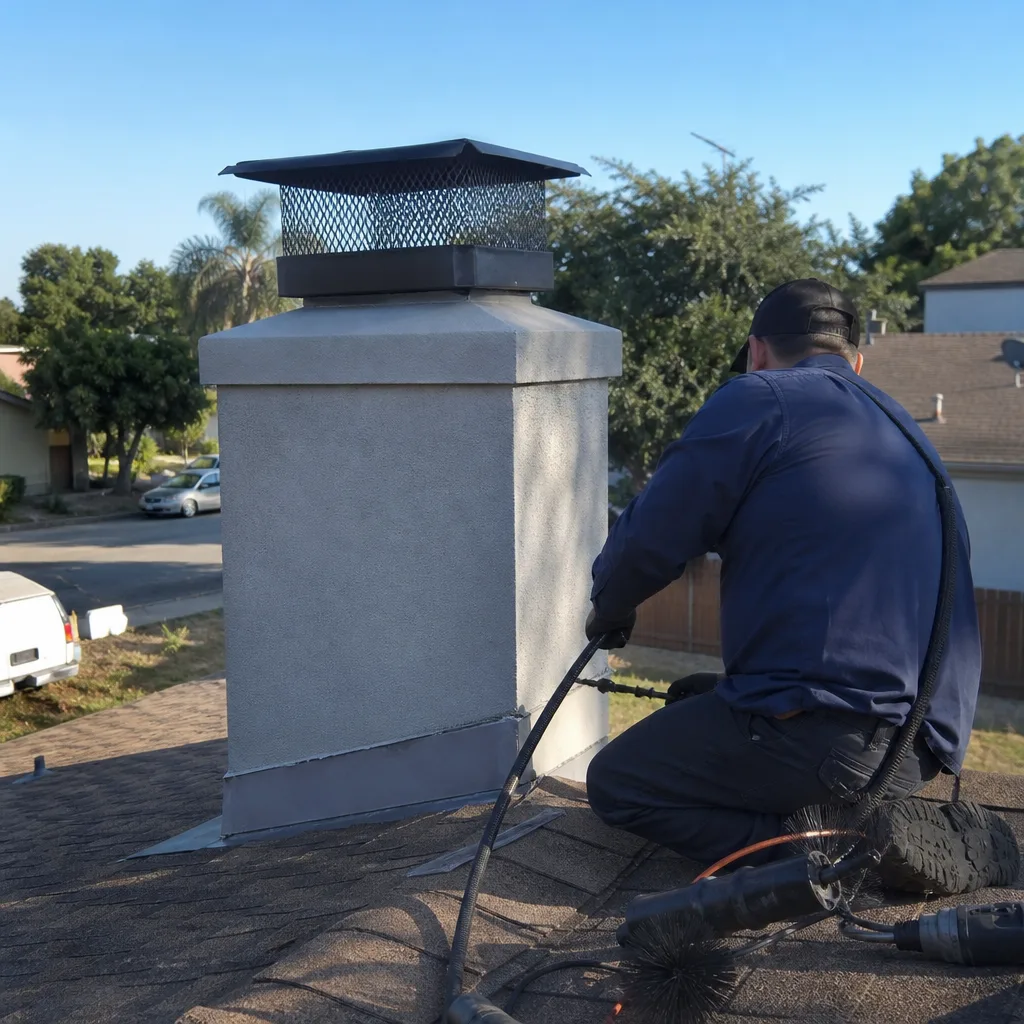 After
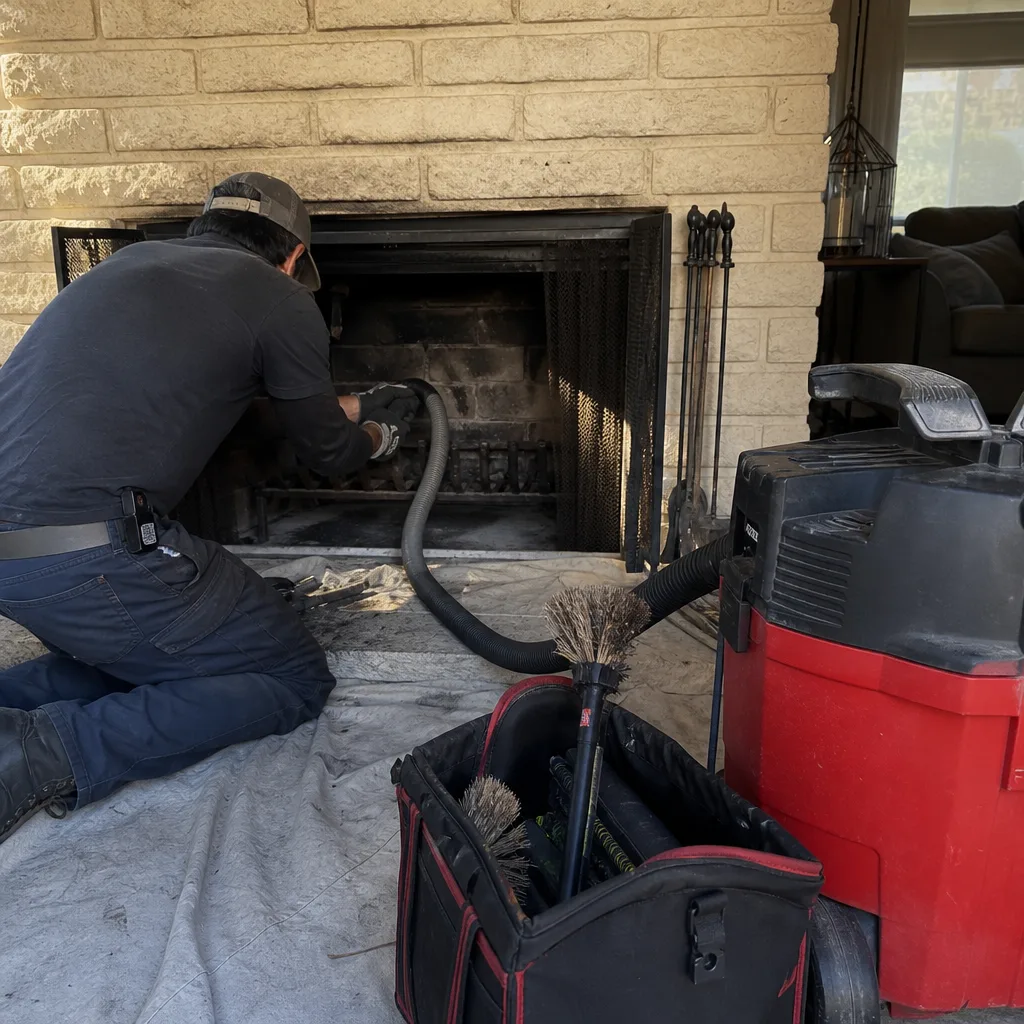 Before
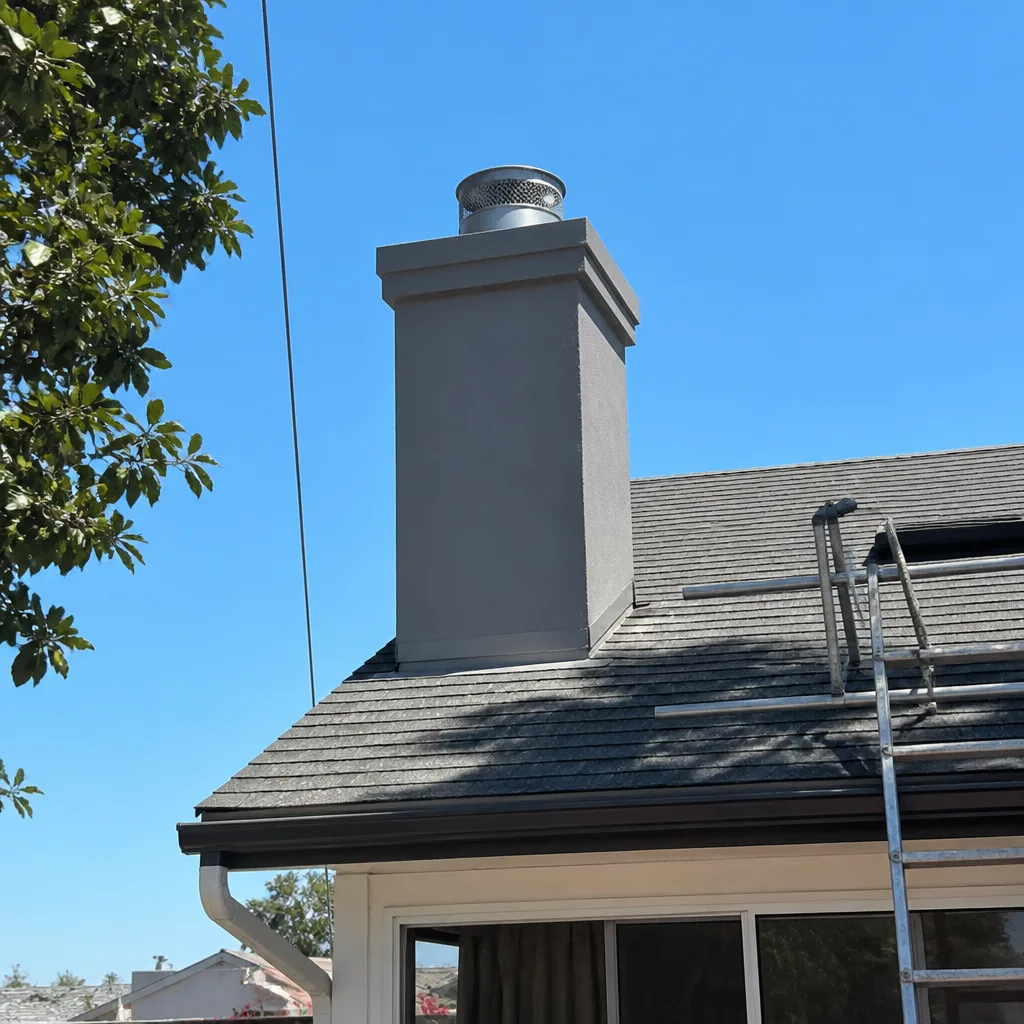 After
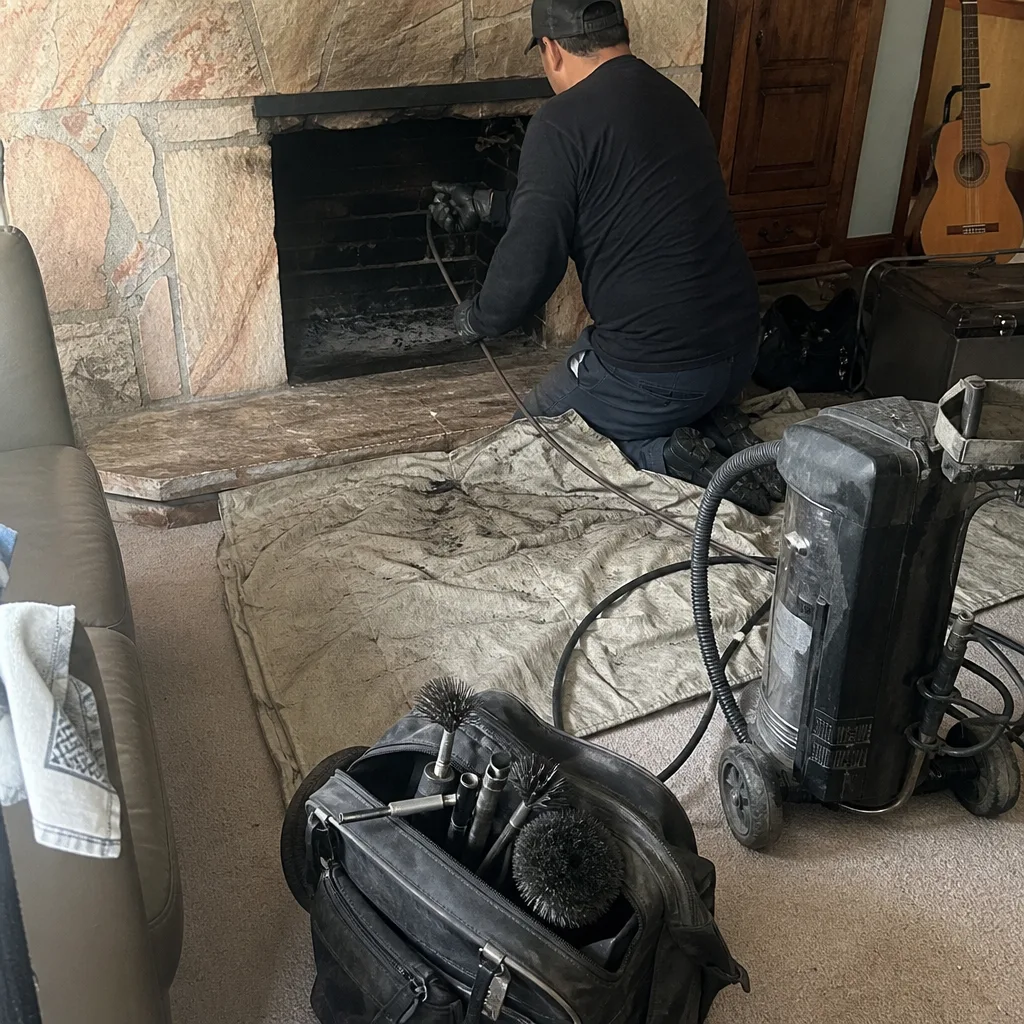 Before
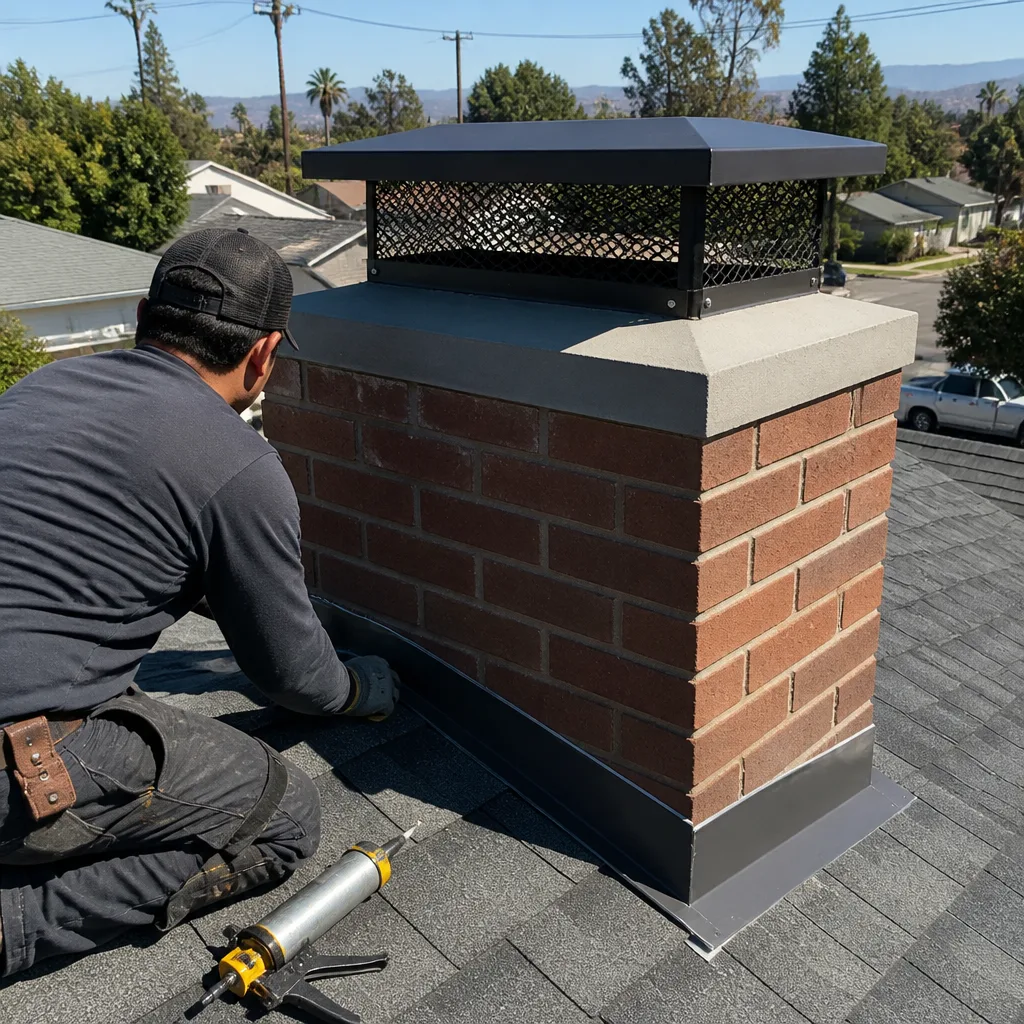 After
Pricing for Dryer Vent Cleaning in Lomita, CA
Let’s talk numbers, because vague pricing is useless. A standard dryer vent cleaning in Lomita runs $139 – $179 when the vent is accessible and under roughly 20 feet. Longer runs, second-story terminations, or caked-on lint add time and bring that to $179 – $229. If we find a rusted cap, crushed duct section, or a bird nest, we’ll quote the repair separately before we do it, never after. A new stainless steel vent hood installed runs $85 – $140 depending on the model and the access. Full vent replacement in an awkward Lomita attic or crawl space typically falls between $280 – $450. You’ll get an exact number before any work starts, and no charge if you choose not to go ahead.
Estimates are free. Call (855) 554-2841 and we’ll give you a straight answer over the phone about what you’re likely looking at for your specific Lomita floor plan.
We Also Serve Cities Near Lomita
Besides our regular work here in 90717, we run the same service throughout the neighboring South Bay. That includes Lomita-adjacent Torrance, West Carson, and Manhattan Beach, plus Carson to the east. If you’re a property owner with rentals spread across these cities, one call covers the lot. We schedule multiple stops on a single route and inspect each vent with the same manometer and camera standard we use on every job.
Serving Lomita, CA — Our Local Coverage Area
We’re based in the Lomita area and know this community well. Use the map below to see our service coverage — if you’re nearby, we can almost certainly help.
FAQs – Dryer Vent Cleaning in Lomita
Every 12 months, minimum. Here’s why: Lomita’s marine air corrodes exterior vent components faster than inland locations, and those failing components let in pests and moisture. That moisture mixes with lint inside the duct and turns it into a paste that restricts airflow quickly. Homes with long vent runs, multiple turns, or pets should plan on every 6 to 9 months. If you just moved into an older Lomita ranch, get it done before you run the first load of laundry. You have no idea what the prior owner left in that line. Call (855) 554-2841 and we’ll get you on the calendar this week.
Clothes taking more than one cycle to dry fully is the number one sign. Other specific indicators: the laundry room feels unusually hot or humid mid-cycle, there’s a musty or burning smell (that one is urgent, stop using the dryer and call us), the exterior vent hood doesn’t open when the dryer runs, or you can see lint built up on the outside grille. In Lomita’s single-story postwar homes, long vent runs exaggerate every one of these symptoms, so by the time you notice, the restriction is already significant.
Yes, and it does it on a timeline most homeowners don’t expect. Salt air corrodes the galvanized hood and termination cap on the exterior side. Once that hood rusts open or seizes shut, you’ve got pests getting in and moisture mixing with lint inside the run. Wet lint clogs faster, dries harder, and blocks airflow sooner. A blocked vent raises dryer exhaust temperature dramatically. That’s the fire mechanism, and it starts with a small rust spot on a hood most people never look at. If your Lomita home’s exterior hood is older than five or six years, we should look at it.
Three checks: first, is the duct material rigid metal? If it’s flexible foil or white plastic, no; it was never code-compliant and it’s trapping lint right now. Second, how long and how many bends? A good install goes the shortest practical route, ideally under 25 feet of straight line equivalent (every 90-degree bend adds about 5 feet). Third, what’s the exterior termination look like? It should be a metal hood with a working damper that opens on airflow and closes when the dryer stops. If any of those checks fail, the vent needs correction. We handle dryer vent installation in Lomita with rigid duct and stainless terminations specifically because that’s what this environment demands. Call (855) 554-2841 for a free on-site evaluation.
We install Copperfield stainless steel vent hoods and Famco termination caps as our workhorses because both hold up to marine air. For interior duct, we use rigid metal sections specified for dryer exhaust, secured with aluminum tape at every joint. We also work with HeatShield and Gelco on the chimney side, so if your dryer vent shares a wall or chase with your fireplace flue in an older Lomita home, we can address both systems during the same visit. We don’t install consumer-grade plastic louver kits, and we’ll tell you why if you ask: they don’t last in Lomita, and a failed termination is the first domino in the fire-safety chain.
Dryer Vent Cleaning in Lomita – What Salt Air Actually Does
Here’s the thing most dryer vent pages never mention, and it’s the reason this page exists for Lomita specifically. Galvanized steel and coastal air don’t mix. The marine layer that rolls over the Palos Verdes hills most mornings carries salt, and that salt settles on every exposed metal surface around your home. Your galvanized dryer vent hood is no exception.
In Lomita, a galvanized vent hood typically starts showing serious corrosion inside of five to seven years. The flapper hinge seizes, the sheet metal pits and rusts through, and the pest screen (if there ever was one) fails. Compare that to Torrance or Carson, where the same hood might last ten to twelve years. It’s the same product, same installation; the only difference is the salt load.
This matters more than people think. A hood that’s rusted open isn’t just ugly. It’s a standing open pipe into your laundry room that admits birds, rodents, moisture, and cold air. When the flapper seizes shut instead, your dryer pushes exhaust against a closed damper, back-pressures the system, and forces hot moist air back into the wall cavity or laundry room. Both failure modes result from a component most homeowners never inspect. Both are preventable with stainless steel.
On a 1958 ranch in the Lomita Pines area, we found a crushed galvanized dryer vent hood behind the garage, its flapper rusted open and a bird nest blocking the exterior termination. Lint had been recirculating into the laundry room for months. We replaced the hood with a stainless steel model from Copperfield, cleared the nest, and tested airflow with a manometer to confirm the vent was drafting properly again. That’s an hour and a half of work, but it resolved a fire hazard and a sanitation problem the homeowner didn’t know they had. If your Lomita home’s exterior dryer hood is older than six years and you haven’t looked at it, schedule an inspection. It’s the cheapest insurance you’ll buy all year.
Written by Ruben Acosta, Owner at Hickory Chimney Sweep, serving Lomita and the greater South Bay.