
Last updated October 31, 2026
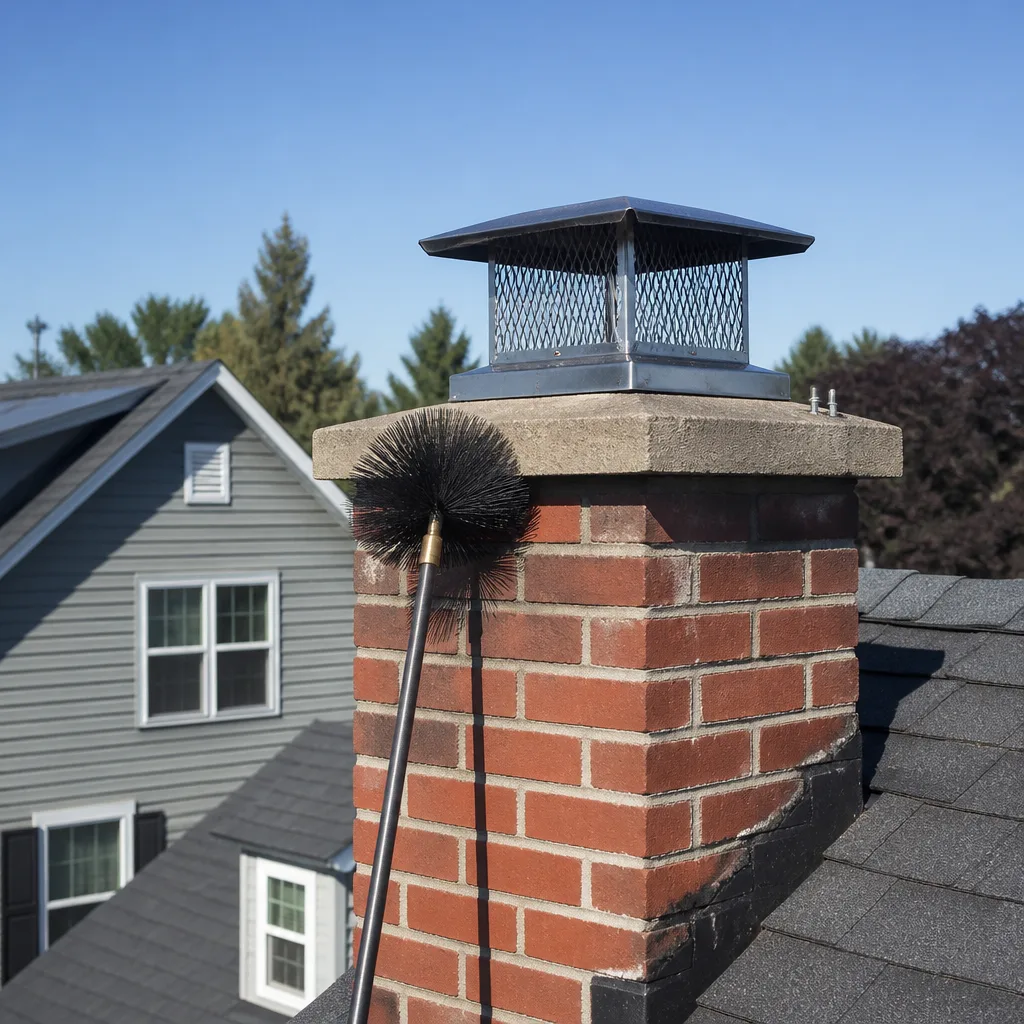 Sweep & inspection
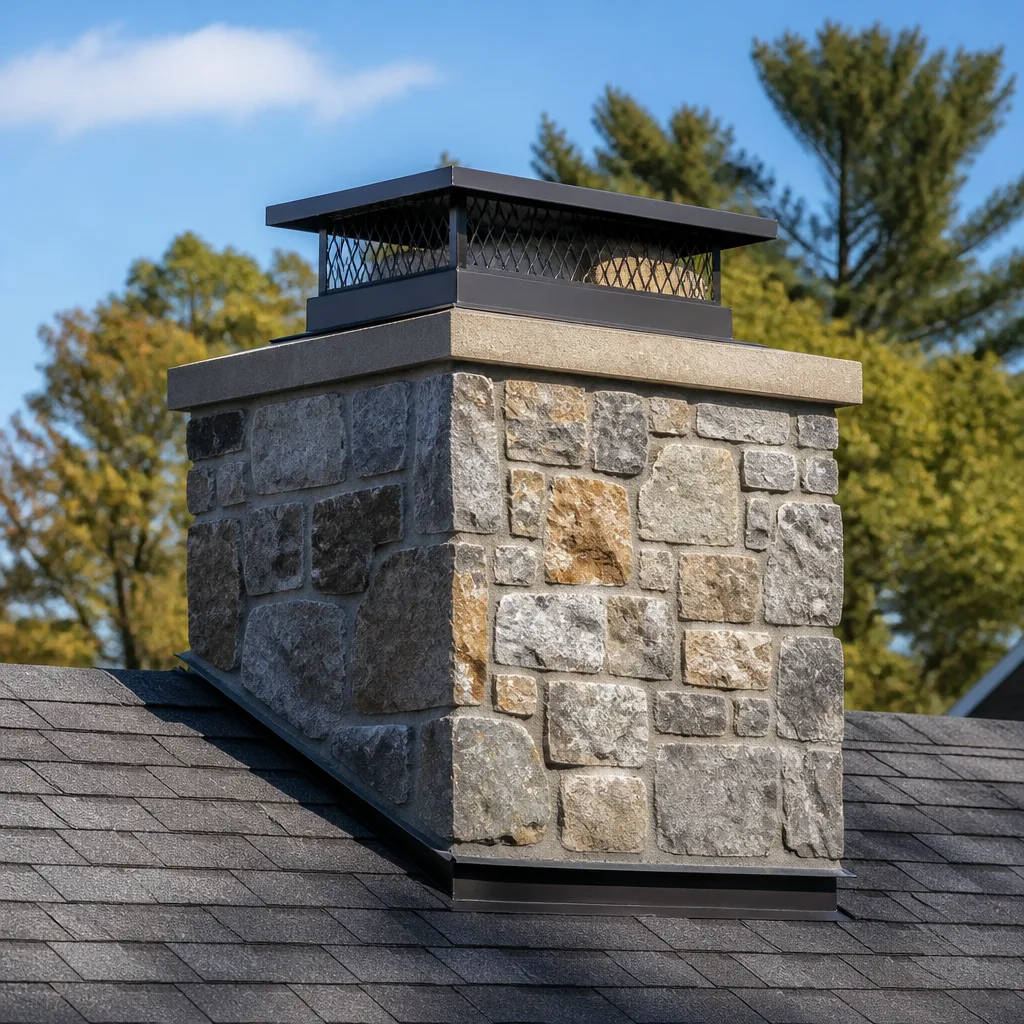 Caps & crowns
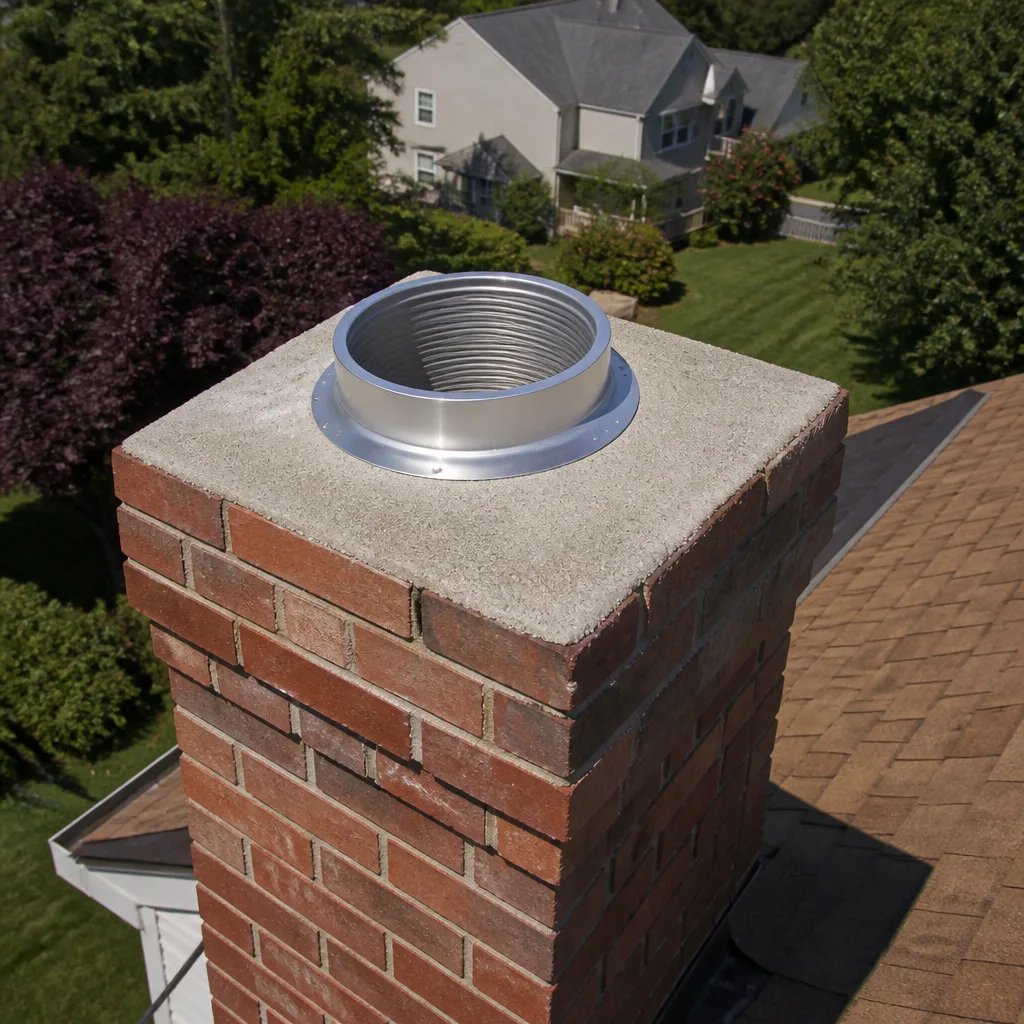 Flue relining
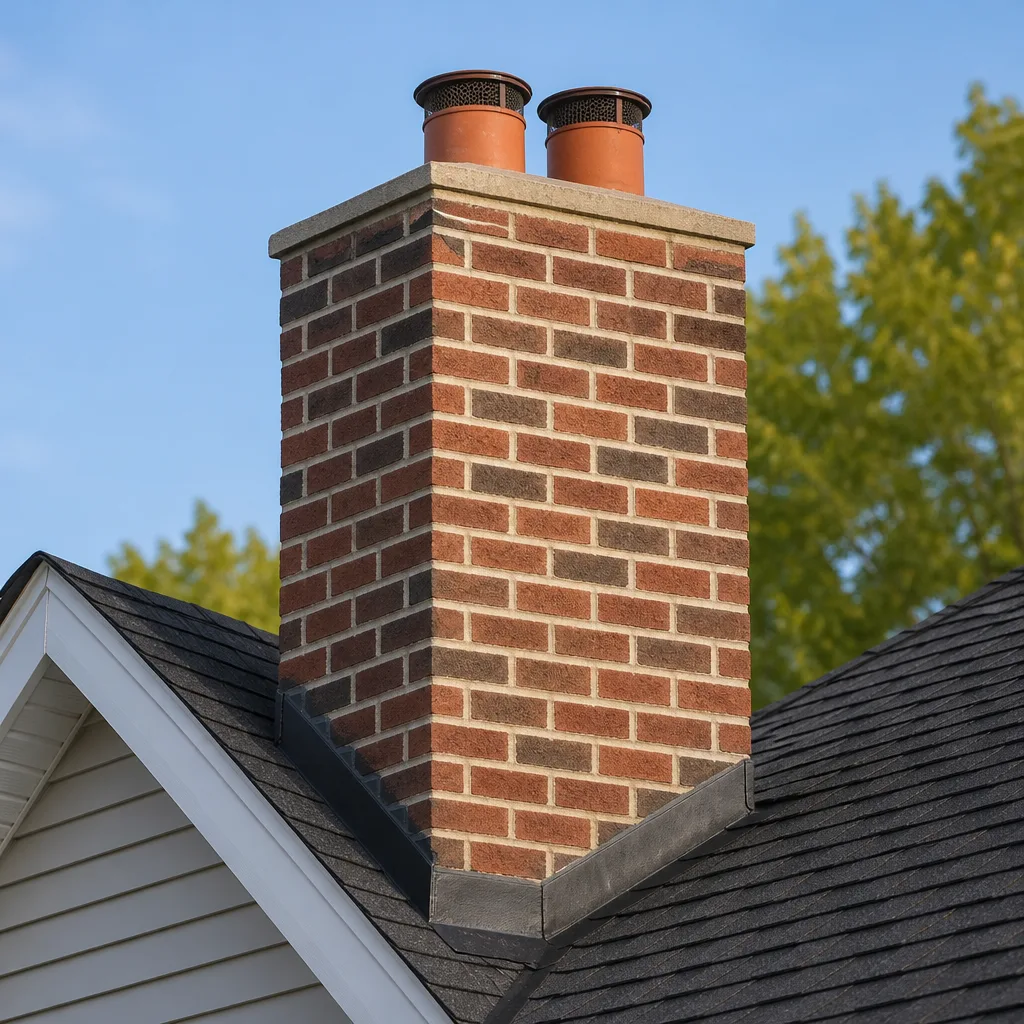 Masonry repair
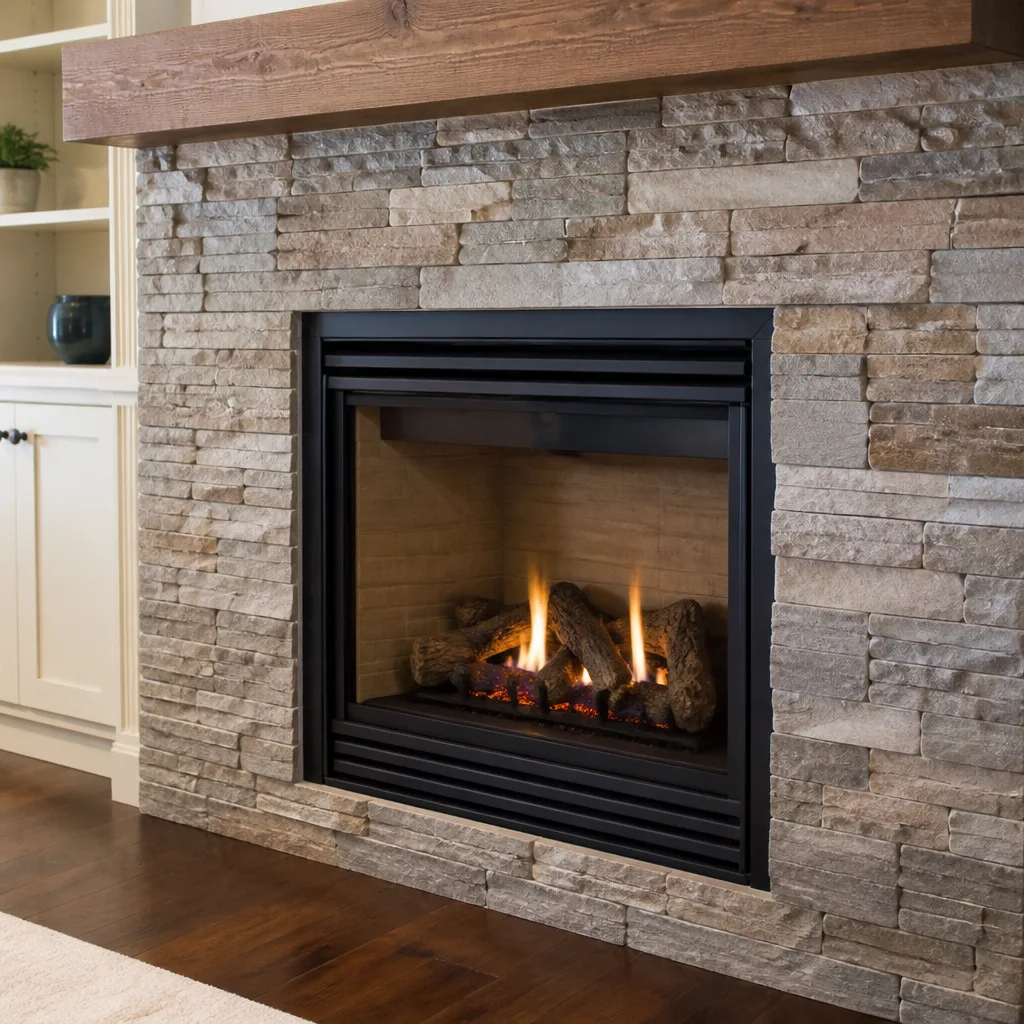 Gas fireplace service
Level 1 sweep and inspection to the NFPA 211 annual standard - flue, crown, cap, and flashing checked and photographed
Chimney sweep logs do not sweep chimneys. They loosen some creosote - which then falls where a brush and vacuum still have to collect it.
How to Hire a Chimney Cleaning Contractor in East Los Angeles: A Step-by-Step Guide
The most expensive chimney service call isn’t the one where they find a problem. It’s the one where they find a problem, hand you a written report, and tell you to call someone else. That second call means a second trip charge, another wait for scheduling, and weeks of delay while your fireplace sits unusable. In East Los Angeles, where older homes often carry decades of creosote buildup and flue wear, that delay isn’t just inconvenient. It’s avoidable. This guide walks through exactly how to vet a chimney contractor in East Los Angeles so the person you hire can clean what needs cleaning and repair what needs repairing, the first time. For more guides & resources, visit our blog.
Styles & brands we work with
Quick Answer
Hiring a chimney cleaning contractor in East Los Angeles comes down to three checks: confirm they carry liability insurance and CSIA certification, ask whether they repair what they find or refer it out, and read their estimate line by line to see exactly what you’re paying for. A full-service contractor who stocks repair materials like DuraFlex liners and HeatShield resurfacing products on the truck saves you a second service call. Skip the door-knockers who show up after Santa Ana wind events and get at least one written estimate before booking.
Table of Contents
- The Questions That Actually Matter When Vetting a Chimney Contractor
- What CSIA Certification Verifies (And What It Doesn’t)
- Why Liability Insurance Language Matters More Than the Certificate
- How to Read a Chimney Sweep Estimate Line by Line
- Clean It. Repair It. Protect It. Why In-House Repair Capability Changes Everything
- Red Flags Specific to Southern California and East Los Angeles
- Professional-Grade Materials: What Should Be on the Truck
- Step-by-Step: From First Call to Finished Sweep
- Common Mistakes to Avoid
- When to Call a Professional
- Frequently Asked Questions
- The Bottom Line
The Questions That Actually Matter When Vetting a Chimney Contractor
Most homeowners start with the wrong questions. “How much do you charge?” is the first thing people ask, but it’s also the least revealing. A chimney sweep in East Los Angeles who quotes $99 flat and one who quotes $299 are often describing entirely different jobs. The first might be a brush-through that takes 45 minutes and leaves the smoke chamber untouched. The second might include a full flue inspection, smoke chamber cleaning, and a written condition report with photos. Before you ask about price, ask about scope.
Here are the questions that separate a thorough contractor from a brush-and-go operation.
- “Do you repair what you find, or do you refer it out?” This is the single most important question you can ask. A contractor who documents a cracked flue liner and hands you a referral is giving you a homework assignment. A contractor who says “we can reline that with a DuraFlex flexible liner system” can solve the problem on the spot. One call covers both.
- “What does your standard sweep include?” Listen for specifics: flue cleaning, smoke chamber access, damper inspection, firebox inspection, and a camera inspection if the flue can’t be visually verified. If they can’t list what’s included, assume what’s excluded.
- “Will I see photos or video of my chimney’s condition?” A contractor who offers camera inspection and a photo report is showing you evidence. A contractor who just says “looks fine” is asking you to trust a verbal summary. We always recommend working with someone who shows you what they saw.
- “Do you carry liability insurance, and can I see the certificate?” This protects you if something goes wrong during the work. More on this below.
- “Do you handle dryer vents too?” This might sound like an odd question for a chimney contractor, but it reveals whether you’re talking to a fire-safety specialist or a single-service vendor. Dryer vents are a leading cause of residential fires in the U.S. A contractor who cleans both chimneys and dryer vents in East Los Angeles is thinking about your whole home, not just the fireplace. That’s the kind of thinking behind our Hickory Chimney Sweep home service philosophy: clean it, repair it, protect it.
Any contractor who stumbles on these questions or gives vague answers is telling you something. You don’t need to be an expert to hire one, but you do need to ask enough to confirm they are.
What CSIA Certification Verifies (And What It Doesn’t)
CSIA stands for the Chimney Safety Institute of America. When you see “CSIA Certified” on a contractor’s website or truck, it means that individual passed a written exam on chimney science, codes, and cleaning practices, and that they’ve logged a minimum number of supervised sweeps. The certification is real and meaningful. It verifies that the person holding it knows what creosote is, understands draft mechanics, and can identify common structural problems.
Here’s what CSIA certification does not verify: it doesn’t confirm the contractor can repair what they find, it doesn’t verify business practices or customer service, and it doesn’t guarantee the company is insured. A CSIA-certified sweep can be entirely honest, thorough, and correct in their diagnosis, and still hand you a referral slip for a cracked liner because their company doesn’t offer repair services. The certification verifies knowledge. It doesn’t verify capability.
That’s why you ask the repair question directly. In East Los Angeles, where many homes were built in the mid-20th century and carry original masonry, cracked liners and deteriorating fireboxes are common findings. A CSIA-certified sweep who also stocks and installs HeatShield resurfacing materials is giving you both the diagnosis and the treatment. A CSIA-certified sweep who only cleans is giving you the diagnosis and a second invoice.
We’re not saying avoid certified sweeps. We’re saying don’t let the certificate be the end of your vetting. Ask what happens after the sweep finds damage. The answer tells you whether you’ve hired a cleaner or a full-service contractor.
Why Liability Insurance Language Matters More Than the Certificate
When a contractor tells you they’re “licensed and insured,” that phrase is doing a lot of silent work. Licensed means they hold a business license to operate. Insured should mean they carry general liability insurance that covers property damage and injury during the work. But here’s the problem: not all insurance language means the same thing.
Ask for a certificate of insurance, not just a verbal confirmation. The certificate should show general liability coverage in an amount adequate for property work. If a contractor hesitates or says they’ll “send it later,” treat that as a red flag. A professional who works inside your home and on your roof should be able to produce this document on request. It’s not rude to ask. It’s standard.
In East Los Angeles, this matters more than in some other markets because of the density of older homes and the prevalence of tile roofs, steep pitches, and second-story chimney access. Work performed at height carries more risk. Work performed on aging flues carries more uncertainty. If something goes sideways, you want to know the contractor’s insurance covers the repair, not your homeowners policy.
Insurance isn’t just about the contractor’s protection. It’s about yours. A contractor who carries proper liability coverage is signaling that they take their work seriously enough to protect the homes they enter. It’s a sign of operating as a business, not as a side gig with a ladder.
How to Read a Chimney Sweep Estimate Line by Line
Chimney sweep estimates range from a single line (“sweep: $149”) to a multi-line breakdown of every step. In East Los Angeles, the market supports both, but the single-line quote is where homeowners get surprised. Here’s how to read the breakdown.
- “Light cleaning” vs. “heavy creosote removal” Light cleaning means the flue has a thin layer of soot or first-stage creosote, a flaky residue that brushes off with standard tools. Heavy creosote removal means the flue has second or third-stage creosote, which is tar-like, glazed, or hardened, and requires chemical treatment, rotary cleaning loops, or both. In price terms, heavy removal typically runs 50% to 100% more than a light sweep because it takes multiple passes and specialized equipment. If your estimate says “cleaning” without specifying the creosote stage, ask.
- “Flue inspection” vs. “camera inspection” A visual flue inspection is standard and included in most professional sweeps. A camera inspection is more detailed, uses a video camera lowered through the flue, and produces a record you can see. If your chimney hasn’t been inspected in years, or if the previous owner had no records, the camera inspection is worth the extra line item. It catches things a visual check can’t, like hidden cracks that only open under heat.
- “Firebox inspection” The firebox is the chamber where the fire burns. It’s built to handle high temperatures, but cracked firebrick or failing mortar joints can let heat reach combustible materials behind the firebox. A proper sweep includes checking this area. If your estimate doesn’t mention the firebox, ask why.
- “Smoke chamber access” The smoke chamber is the angled area above the firebox and below the flue. It’s the most commonly skipped area in budget sweeps because it’s awkward to reach and sometimes requires removing the damper plate to access. A thorough sweep includes smoke chamber cleaning. This is where creosote accumulations often hide in East Los Angeles homes with older, larger fireplaces.
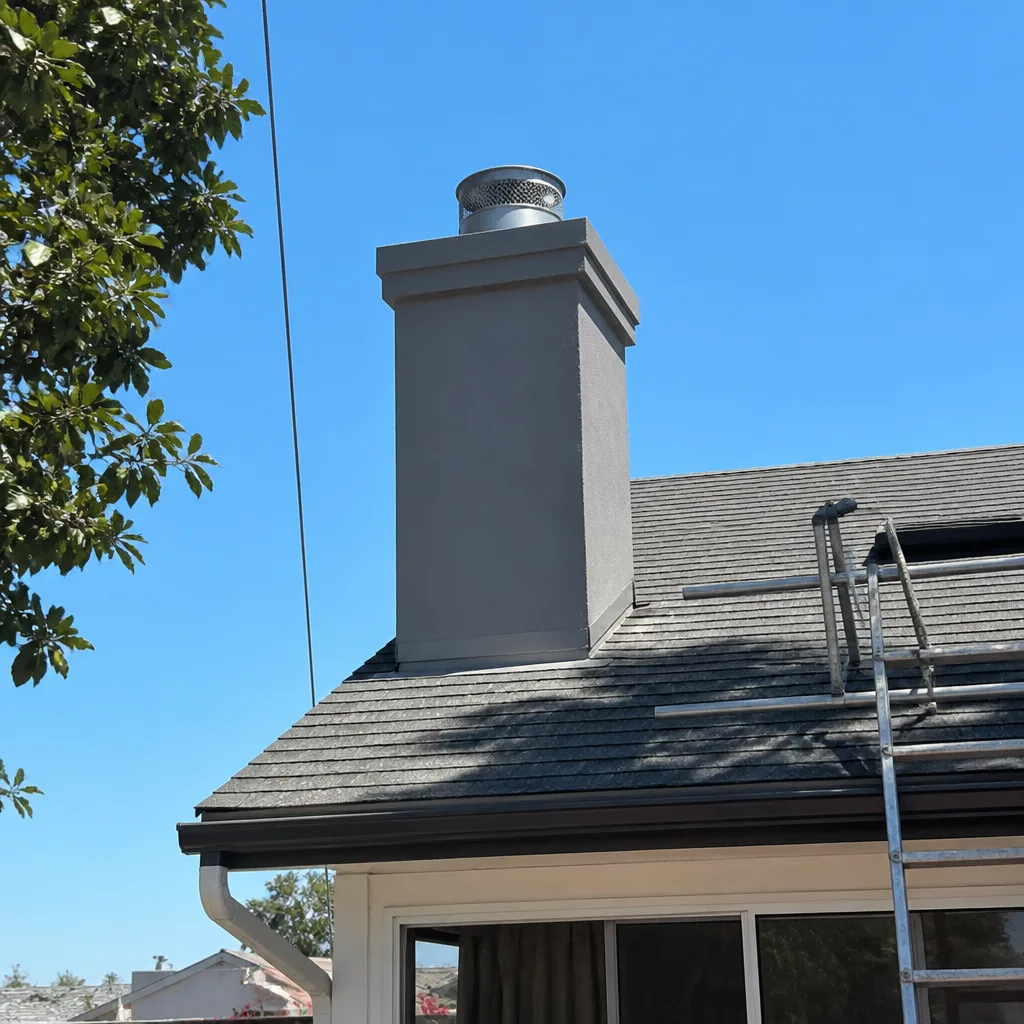
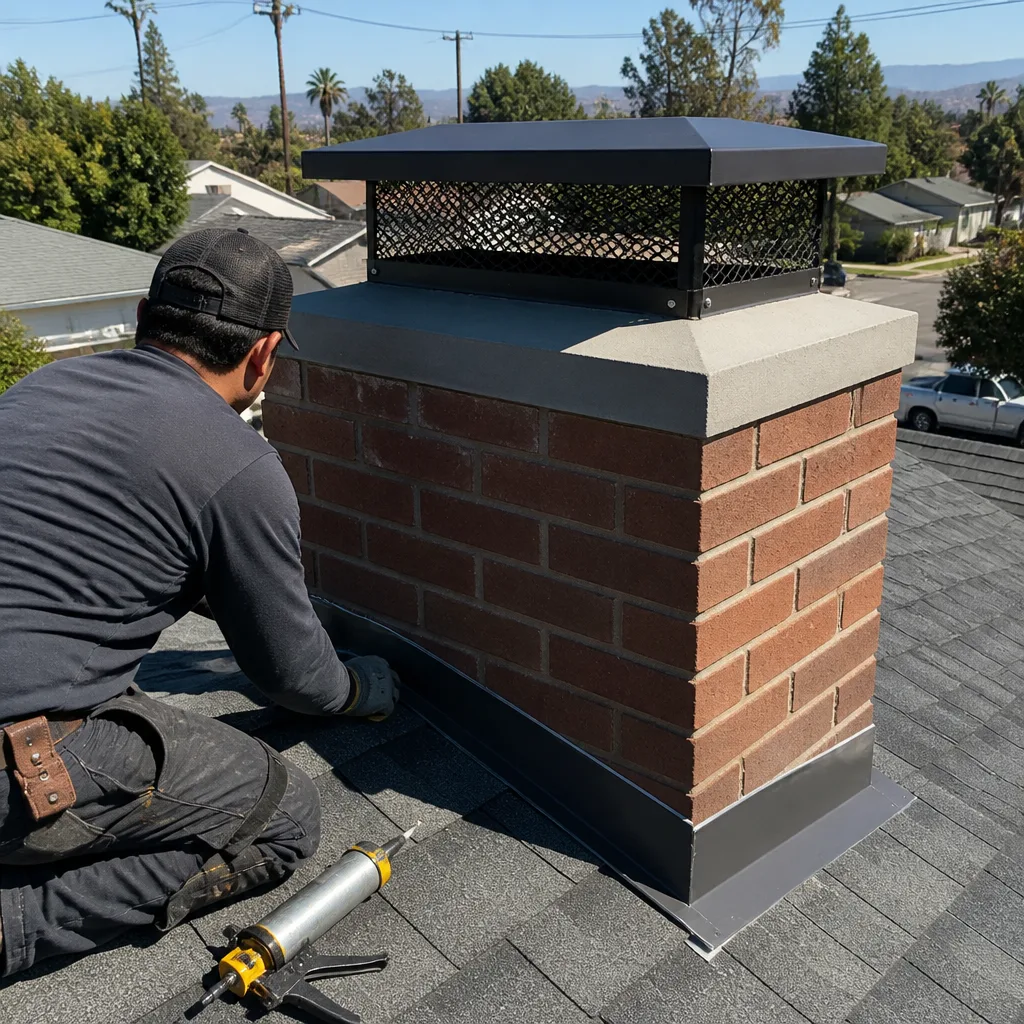
- “Cap and crown inspection” The chimney cap keeps rain, birds, and debris out. The crown is the concrete cap on top of the chimney structure. Both take direct weather exposure and both fail over time. Your estimate should mention them.
A detailed estimate isn’t a sign of a contractor padding the bill. It’s a sign they know what they’re looking at and they’re telling you before the work starts. Flat-price sweeps are fine, but flat-price should still specify what’s included. If you get a quote that feels thin, ask for the line items. A good contractor will be glad to walk you through it.
Clean It. Repair It. Protect It. Why In-House Repair Capability Changes Everything
Here’s the honest economics of chimney maintenance. Professional sweeps in East Los Angeles routinely find issues: cracked flue tiles, deteriorating mortar joints, rusted dampers, damaged caps. When your contractor identifies one of these and refers you out, you’re now managing two service relationships, two scheduling windows, two invoices, and a gap during which your fireplace shouldn’t be used. The referral contractor may be excellent, but you’re paying for the coordination with your time.
When your sweep can repair what they find, the math changes. A cracked liner found during a sweep gets resurfaced with HeatShield the same week. A damaged flue gets relined using DuraFlex flexible liner systems, a professional-grade stainless steel product that carries proper UL listing for the application. The damper gets replaced. The cap gets swapped. The chimney is clean, repaired, and protected before you think about using it again.
This is what we mean when we say “clean it, repair it, protect it.” It’s a sequence, not a slogan. The cleaning finds the problem. The repair fixes it. The protection, which includes proper caps, crowns, and ongoing maintenance, keeps it from coming back. A sweep-only contractor can do the first step. A full-service contractor does all three.
Our Chimney Repair in South San Gabriel page explains the full repair scope we handle, but the principle applies anywhere: the contractor who can repair what they find saves you time and money. It’s the single biggest differentiator in this trade, and it’s the one question most homeowners never think to ask.
Red Flags Specific to Southern California and East Los Angeles
Southern California has its own chimney contractor ecosystem, and East Los Angeles sits at the center of it. Here are the red flags we see repeatedly in this market.
- Door-to-door solicitation after Santa Ana wind events. Santa Ana winds kick up debris, and unscrupulous operators use the aftermath to knock on doors claiming to spot “roof or chimney damage” from the street. Legitimate chimney contractors don’t run door-to-door campaigns after windstorms. If someone approaches you this way in East Los Angeles, get a business card and verify them before letting anyone on your roof.
- Unlicensed operators with out-of-area phone numbers. Check the business’s physical address. A contractor claiming to serve East Los Angeles but operating from a phone number and P.O. box two counties away should give you pause. Local operators answer local calls.
- Chimney sweeps who refuse to show proof of insurance. We covered this above, but it bears repeating for the Southern California market specifically. Tile roofs are common here, and tile breaks easily under foot traffic. You want a contractor whose insurance covers roof damage caused during the work, not one who will argue about who stepped where.
- “Special pricing” tied to same-day booking. A legitimate contractor’s pricing doesn’t double tomorrow. High-pressure same-day discounts are a classic pressure tactic, and they often come with a stripped-down scope. A proper sweep takes time, and it’s worth scheduling accordingly.
- Quotes that don’t specify creosote level. If a contractor quotes a flat price without asking how often you use your fireplace, what you burn, or when the chimney was last cleaned, they’re not estimating. They’re guessing. In East Los Angeles, where many fireplaces are used heavily in winter months, creosote can accumulate quickly. A proper estimate includes the question.
Professional-Grade Materials: What Should Be on the Truck
Here’s a scenario that plays out in East Los Angeles weekly. A sweep identifies a failing flue liner and recommends replacement. They write up the job, quote a price, and tell you they’ll “order the parts.” Two weeks later, the parts arrive. The contractor schedules you for installation. You’ve now waited a month to use your fireplace, and you’ve paid a premium for the privilege.
Now consider the alternative. The contractor stocks the repair materials on the truck. The liner is measured, cut, and installed the same week. The fix happens before you lose a single fireplace evening. That’s the difference between a contractor who orders materials and a contractor who works with them daily.
Professional-grade brands matter because they’re engineered for the application and specified by certified chimney professionals for a reason. DuraFlex flexible liner systems are UL-listed for chimney relining, offering proper draft and corrosion resistance. HeatShield resurfacing is a cerfied repair system for flue liner damage, not a consumer caulk from a hardware store. When a contractor names these products, they’re telling you they work to code and spec, not to whatever was cheapest at the supply yard.
At Chimney Sweep in South San Gabriel, we work with six professional-trade brands: DuraFlex, HeatShield, Gelco, Olympia Chimney, Famco, and Copperfield. These are the suppliers certified chimney contractors specify, and we keep them stocked for the repair work we do. This matters because when a problem shows up during a sweep, we can fix it without a second appointment. The alternative is a report, a referral, and a waiting period. We’d rather hand you a working fireplace.
Step-by-Step: From First Call to Finished Sweep
Here’s the full process, start to finish, laid out in numbered steps so you know exactly what to expect from a professional chimney cleaning in East Los Angeles.
- Make the call and be ready to answer three questions. A legitimate contractor will ask how often you use your fireplace, what you burn (seasoned wood, Duraflame logs, gas, etc.), and when the chimney was last cleaned. These answers help them estimate creosote buildup and quote accurately. Any contractor who quotes a price without asking these questions is guessing.
- Schedule the sweep during daylight hours. Roof access matters, and daylight makes both the roof inspection and the exterior camera work cleaner. In East Los Angeles, that means mornings or early afternoons work best. If you have a steep-pitch tile roof, tell the contractor up front so they bring the right equipment.
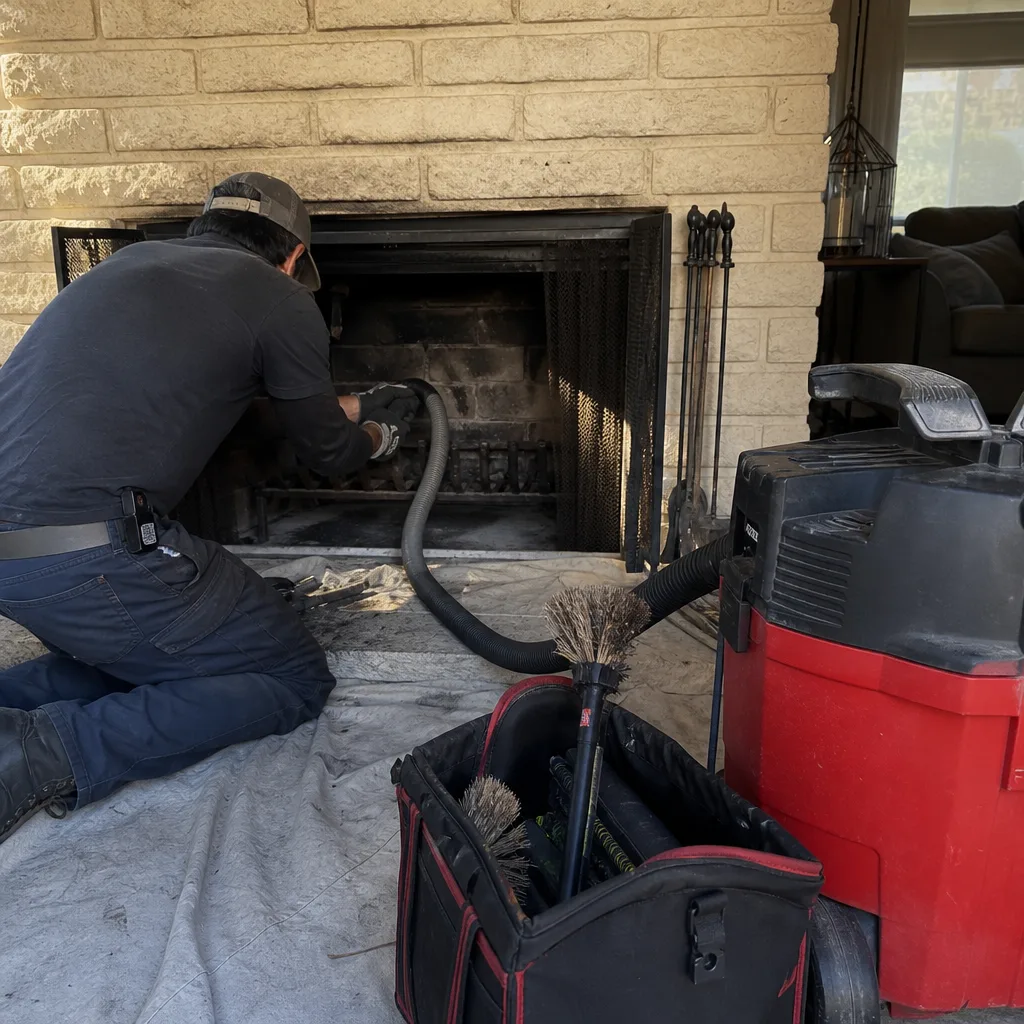
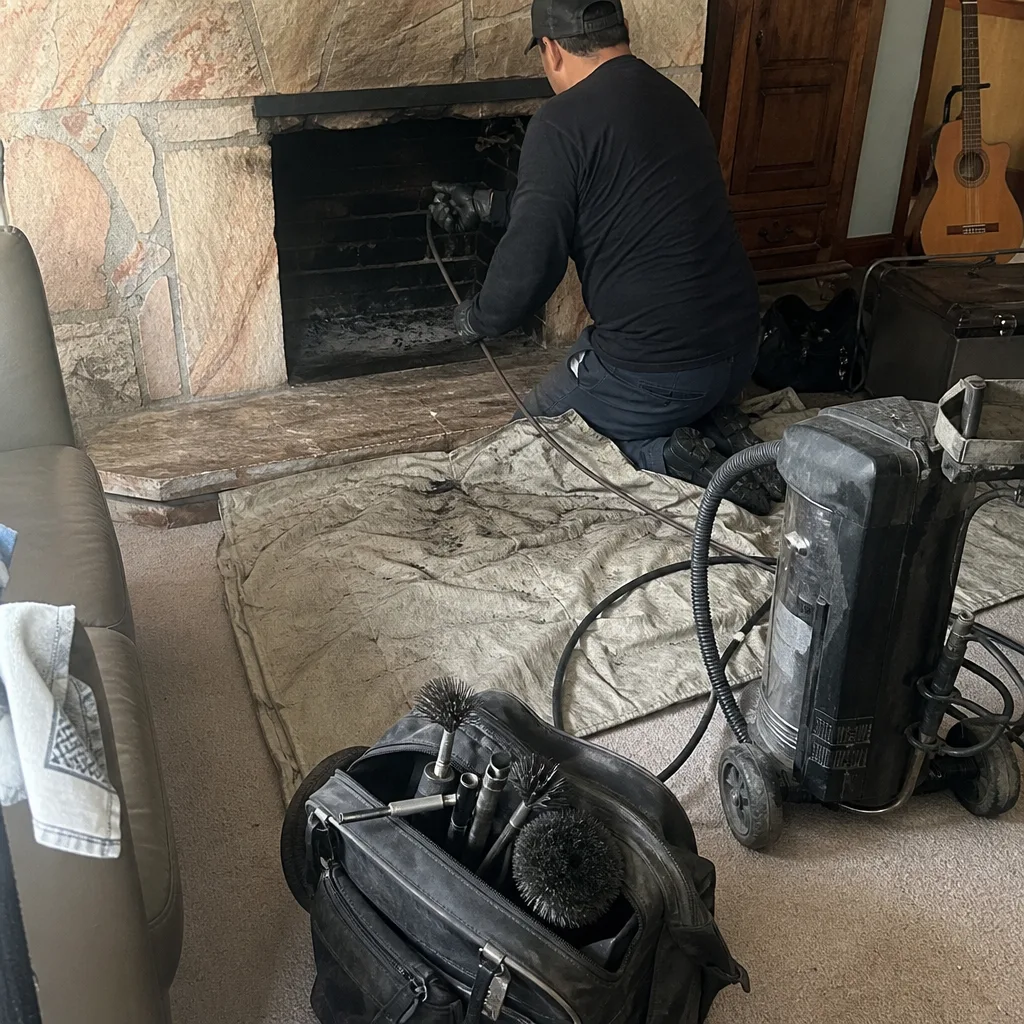
- Prepare the area around the fireplace. Clear furniture and décor within six feet of the hearth. The sweep will lay drop cloths and run a vacuum with HEPA filtration, but you don’t want a favorite chair in the work zone. If you have pets, secure them elsewhere for the duration of the visit.
- Expect the sweep to inspect before they clean. A proper contractor checks the flue condition, damper function, firebox integrity, and cap and crown before running any brushes. This establishes a baseline and spots damage that affects how the cleaning should proceed. It should not cost extra; it’s part of the job.
- The cleaning itself. Brushes are run from the roof and/or through the firebox, depending on the chimney’s design. Creosote is removed from the flue, smoke chamber, and firebox. A HEPA vacuum keeps dust from entering the living space. Expect this step to take 45 to 90 minutes depending on creosote level.
- The post-clean inspection and report. After the brushes finish, the contractor should do a final visual or camera inspection to confirm the flue is clean and to assess any damage found during the process. A written report with photos (or video stills) should follow, not a verbal “all good.”
- Repair recommendations with evidence. If problems are found, the contractor should show you exactly what they saw and explain what it means in plain language. If they can repair it in-house, you’ll get a quote on the spot. If they refer it out, you’re now managing a second relationship. This is why we asked the repair question back in step one.
- Payment and a use recommendation. After the sweep, ask when it’s safe to use the fireplace again. If creosote was heavy and chemical treatment was applied, there may be a short waiting period. A good contractor tells you this without being asked.
That entire sequence should happen in a single visit for a standard sweep. If you’ve asked the right questions up front, the visit ends with a clean chimney and a clear picture of any next steps, handled by the same company that did the cleaning.
Common Mistakes to Avoid
- Hiring based on the lowest quote without comparing scope. A $99 sweep in East Los Angeles almost certainly skips the smoke chamber and the firebox inspection. You’re not saving $100. You’re buying a partial service.
- Booking a chimney sweep without asking about repairs. This is the mistake that turns one service call into two. Ask the repair question before you book. If they can’t repair what they find, you’ll know the referral is coming before you’re surprised by it.
- Skipping the chimney because you have a gas insert. Gas fireplaces still produce byproducts that coat the flue, and they still need annual inspection for blockages and venting issues. In East Los Angeles, gas inserts are common in remodels, and many homeowners assume they’re maintenance-free. They’re not.
- Trusting a door-knocker after Santa Ana wind events. We covered this in the red flags section. It bears repeating because it happens every season. Wind doesn’t create chimney damage that only a stranger can see from the sidewalk.
- Not asking for a written report. A verbal “your chimney looks fine” is not a record. If you sell your home in East Los Angeles, buyers will ask when the chimney was last cleaned and what was found. A written report is your documentation.
- Ignoring the dryer vent while you’re at it. Dryer vents cause thousands of residential fires every year in the U.S. If your contractor offers Dryer Vent Cleaning in South San Gabriel, you can cover both leading home fire hazards in one service visit. It’s not an upsell. It’s the same fire-safety mindset applied to a different appliance.
When to Call a Professional
Call a chimney contractor when you can’t remember the last time the chimney was cleaned, or when you’ve used the fireplace more than a few dozen times since the last service. Call when you smell a smoky or musty odor from the fireplace even when it’s not in use, when you see soot or creosote flakes falling into the firebox, or when you notice water stains on the ceiling near the chimney. Call after any chimney fire, even a small one, even if the fire went out on its own. And call before you buy a home in East Los Angeles with a fireplace; a pre-purchase chimney inspection catches problems your standard home inspection won’t. Hickory Chimney Sweep offers free estimates in East Los Angeles. Call (855) 554-2841 to schedule.
Frequently Asked Questions
A standard chimney sweep in East Los Angeles typically runs between $150 and $300, with heavier creosote removal pushing the total higher. The price depends on the creosote stage (light, flaky buildup costs less to remove than hardened or glazed deposits), the chimney’s height and accessibility, and whether the contractor includes smoke chamber access and camera inspection in the base price. Cheaper sweeps often skip the smoke chamber. If you want an exact quote for your chimney, call (855) 554-2841 for a free estimate.
The standard recommendation is once per year, or after every cord of wood burned, whichever comes first. But East Los Angeles usage patterns vary: a fireplace burned on weekends through the winter accumulates creosote faster than one lit twice a season. Heavier use means shorter cleaning intervals. Gas inserts still need annual inspection, though the cleaning schedule stretches longer. A professional can recommend a cadence after seeing your first sweep’s results.
Not always. Minor cracks can sometimes be addressed with HeatShield resurfacing, which restores the liner surface without a full replacement. More extensive damage may require a full reline using a DuraFlex flexible liner system. The key is seeing the camera evidence yourself and getting a plain-language explanation of the options. A contractor who shows you the problem and explains both repair paths is giving you information. A contractor who skips to “you need a full reline” without evidence is giving you a sales pitch.
Creosote accumulates with every fire, and creosote is fuel. A chimney fire happens when that accumulated creosote ignites, burning at temperatures that can crack flue liners, warp dampers, and in worst cases spread to the house framing. Skipped cleanings also let blockages form, which can push carbon monoxide back into the living space. The annual sweep is the cheapest fire insurance you’ll buy. Call (855) 554-2841 to schedule before burning season.
Some can, and it’s worth asking. Dryer vents and chimneys are the two leading appliance-related fire hazards in the home, and a contractor who handles both can address them in a single service visit. At Hickory Chimney Sweep, dryer vent cleaning is one of our three core services, alongside chimney sweep and chimney repair. One call covers both.
Look for a local operator with a physical presence in the area, proof of general liability insurance, CSIA-certified technicians, and in-house repair capability. East Los Angeles has an older housing stock with original masonry in many homes, which means repairs are more common than in newer developments. A contractor who stocks professional-grade materials like DuraFlex and HeatShield can handle those repairs on the spot. And avoid the door-knockers who show up after Santa Ana winds claiming to spot damage from the street.
The Bottom Line
Hiring a chimney contractor in East Los Angeles isn’t complicated once you know what to ask. Confirm CSIA certification and liability insurance. Ask whether they repair what they find or refer it out. Read the estimate line by line. Choose a contractor who stocks professional-grade materials and shows you photo evidence of any problem they flag. The goal is simple: one visit, one contractor, a clean and safe chimney, and a clear plan for anything that needs repair. If you’re ready to schedule, call Hickory Chimney Sweep at (855) 554-2841 for a free estimate. We serve East Los Angeles and the surrounding area with chimney sweep, chimney repair, and dryer vent cleaning, built around the idea that every home deserves lasting fire safety.
Written by the team at Hickory Chimney Sweep, serving East Los Angeles since 2013.
See the difference
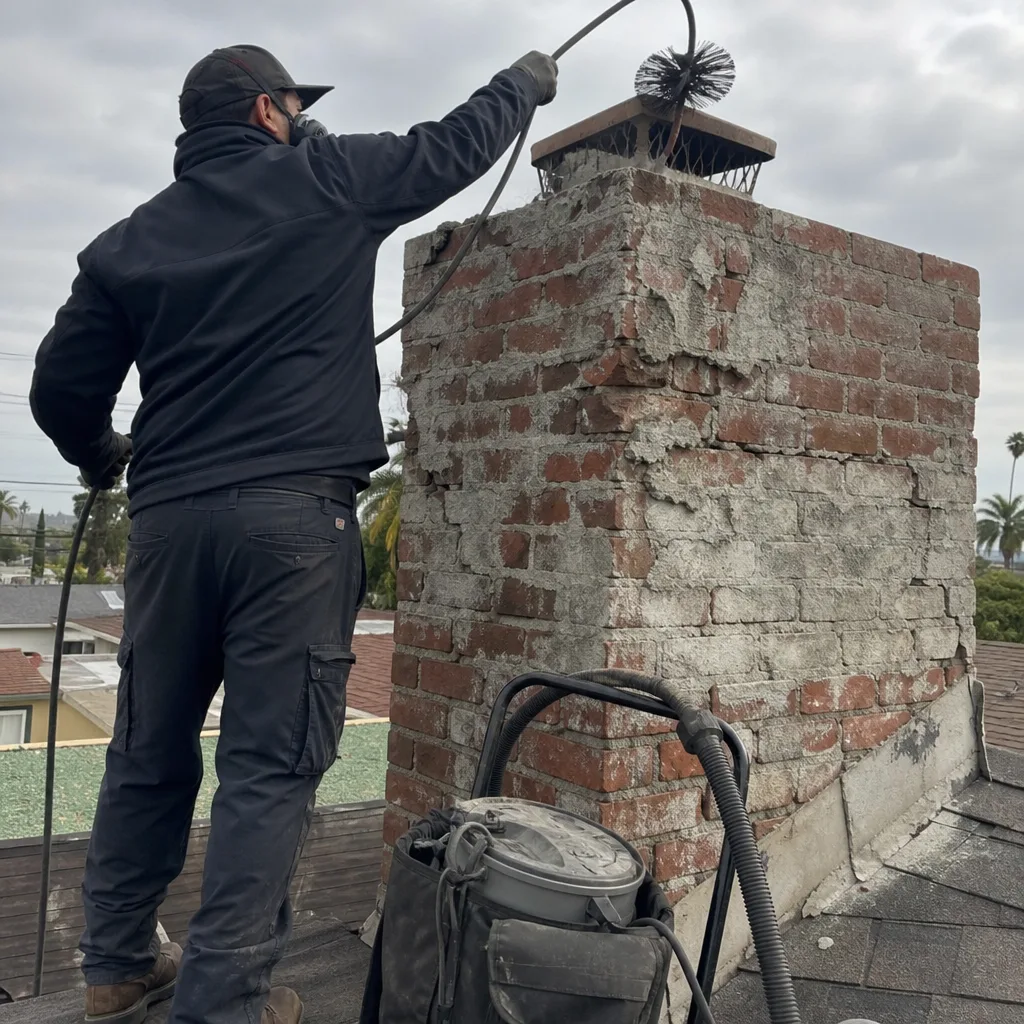 Before
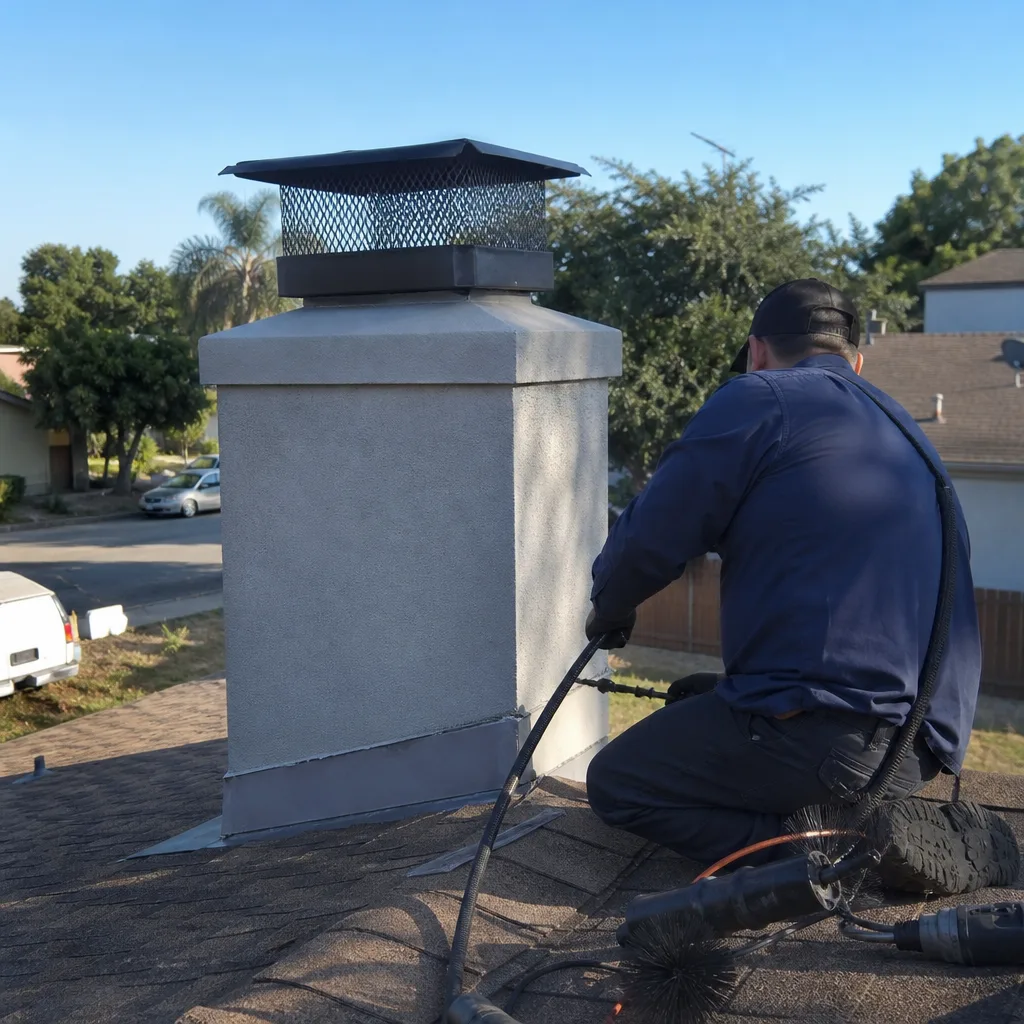 After
 Before
 After
 Before
 After