
Last updated October 31, 2026
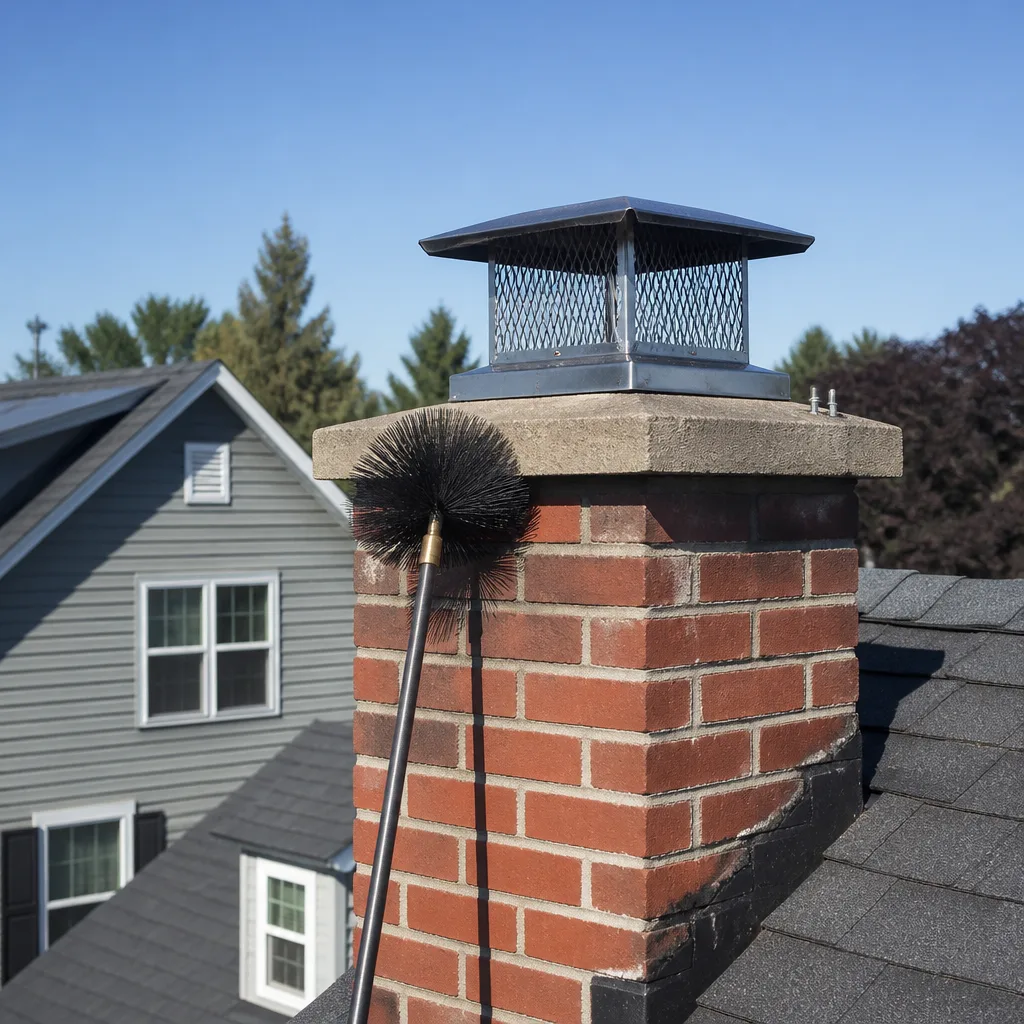 Sweep & inspection
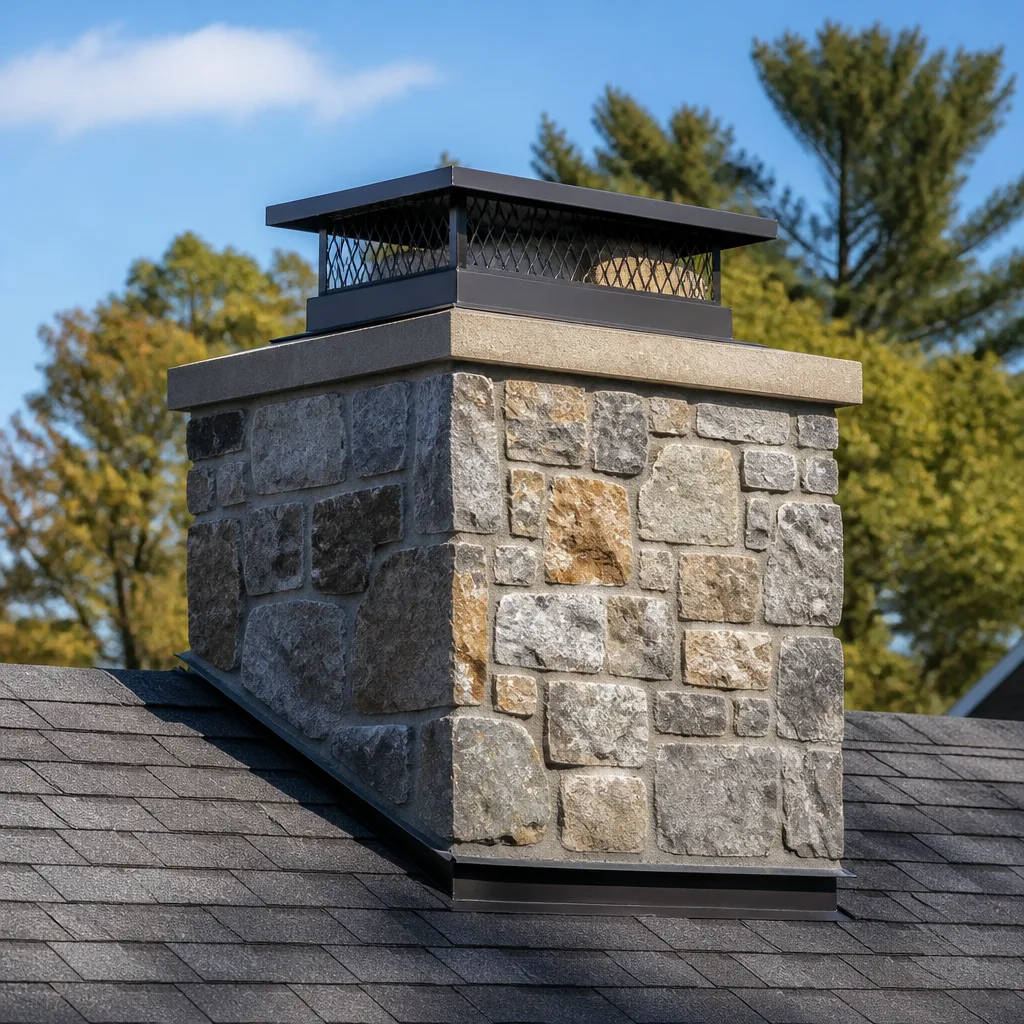 Caps & crowns
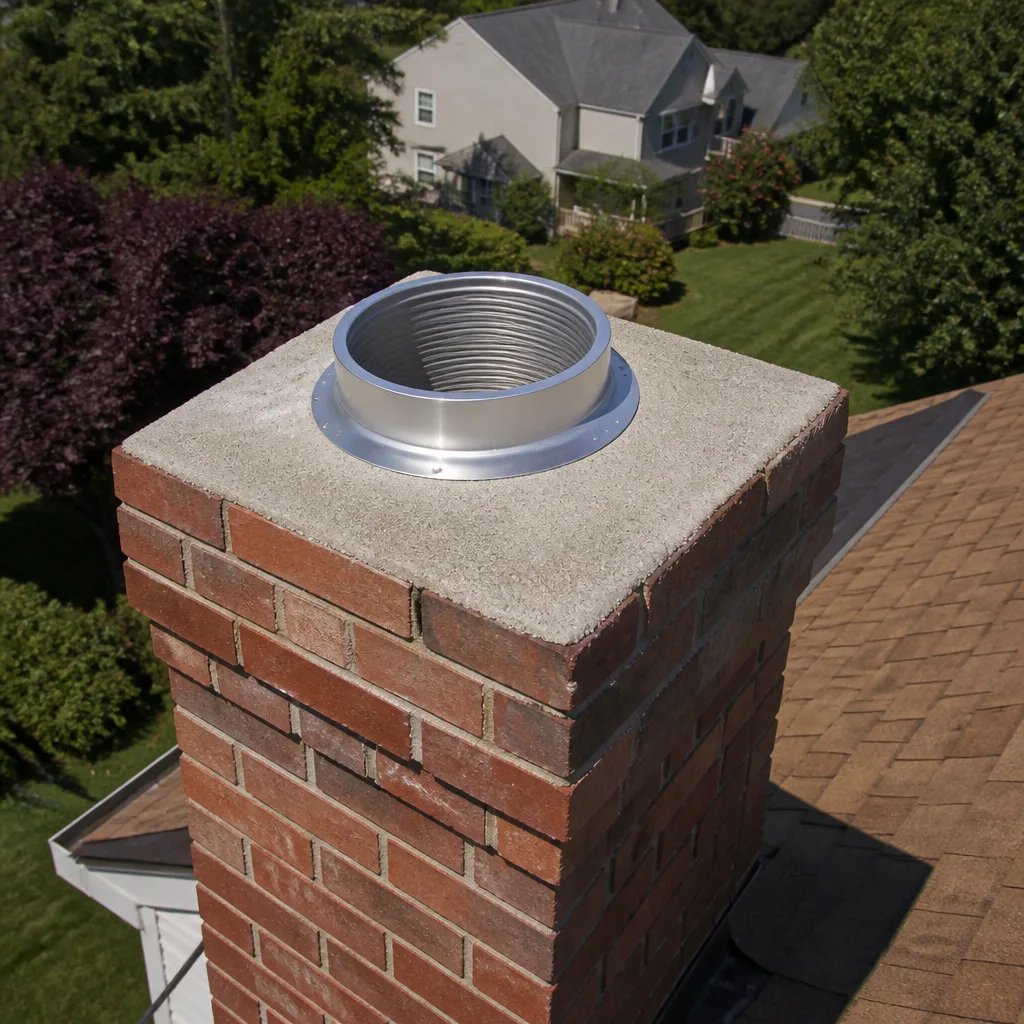 Flue relining
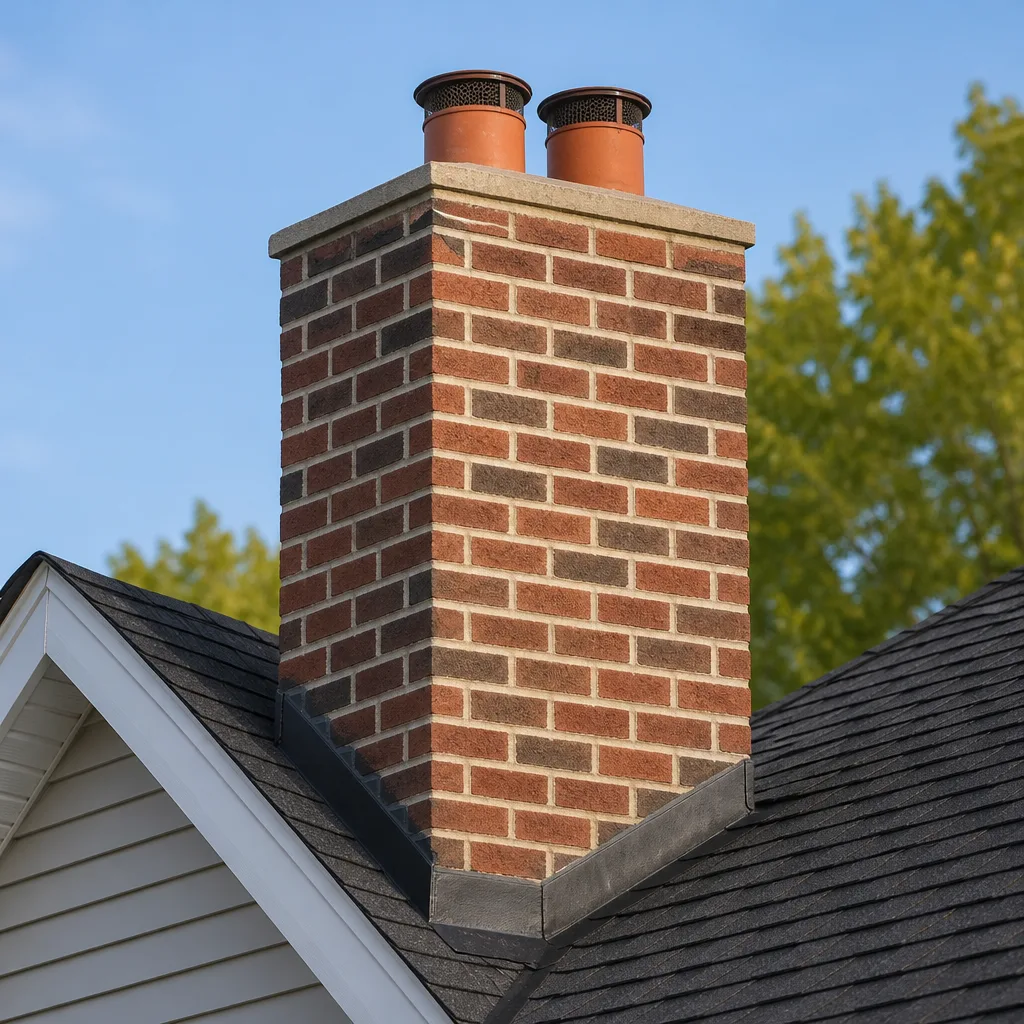 Masonry repair
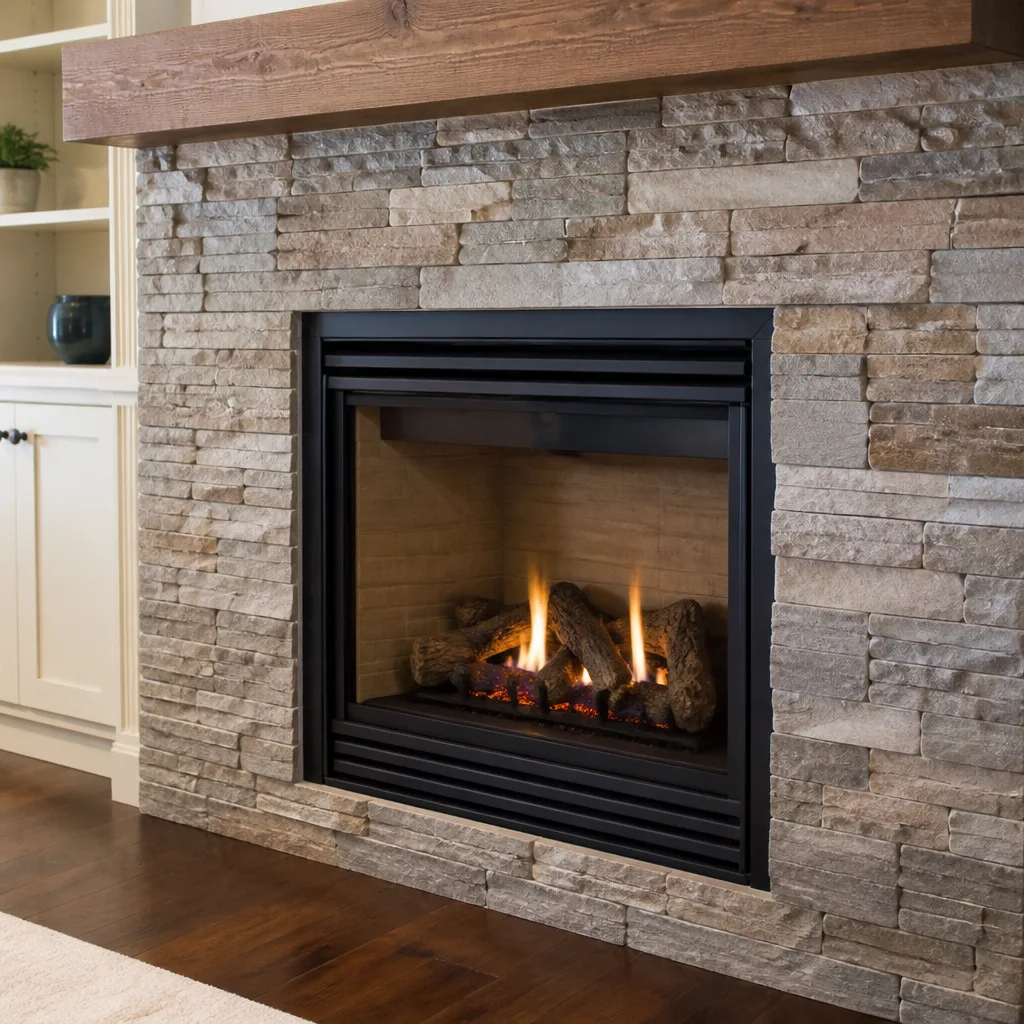 Gas fireplace service
Level 1 sweep and inspection to the NFPA 211 annual standard - flue, crown, cap, and flashing checked and photographed
Chimney sweep logs do not sweep chimneys. They loosen some creosote - which then falls where a brush and vacuum still have to collect it.
Seasonal Chimney Cleaning Care for East Los Angeles: Year-Round Homeowner’s Guide
Most chimney guides written for the rest of the country are useless here. They assume four seasons, freezing winters, and a continuous burn cycle from October through March. East Los Angeles doesn’t work that way. Instead of steady use, we get two compressed windows of heavy fireplace activity, split by a dry, hot dormant season that creates its own set of problems nobody talks about. The homes in Boyle Heights, El Sereno, and City Terrace face a specific pattern: Santa Ana winds that dump debris into uncapped flues, a short winter burn season where everything has to work immediately, and then eight months of neglect when birds, squirrels, and moisture move in undetected. This guide walks through what actually happens to an East Los Angeles chimney month by month, why the “off-season” is when most damage occurs, and how to time maintenance so it’s done before problems become expensive.
Quick Answer
Seasonal chimney care in East Los Angeles centers on two critical windows: a sweep and inspection before the first burn of the season (typically late October through November) and a post-season cleaning after the last fire in early spring. During the Santa Ana wind season, uncapped or damaged flues collect debris that creates fire hazards, and the long dormant summer period is when birds and rodents nest in chimneys, so a spring inspection and a Copperfield-style chimney cap with pest screening are just as important as the annual sweeping itself.
Styles & brands we work with
Table of Contents
- October: Why a Pre-Season Inspection Before the First Fire Is Non-Negotiable
- November Through February: Burn-Season Monitoring Signs Every Homeowner Should Watch For
- March Through April: Post-Season Cleaning and the Timing Trap Most Homeowners Fall Into
- May Through September: The Dormant-Season Audit Opportunity Nobody Thinks About
- Year-Round: Chimney Caps, Pest Screens, and Moisture Defense
- Connecting the Dots: Chimney and Dryer Vent Fire Safety as One System
- Common Mistakes to Avoid
- When to Call a Professional
October: Why a Pre-Season Inspection Before the First Fire Is Non-Negotiable
Every year, the first cold snap in East Los Angeles sends homeowners to their fireplace with one assumption: it worked last winter, so it’ll work this one. That assumption is exactly what gets people in trouble. Between March and October, that flue sat exposed to everything the local climate throws at it. Santa Ana wind events, which peak in September and October, strip chimney caps loose and pile dried leaves, palm fronds, and eucalyptus bark into uncapped flues. Even a cap that was installed correctly five years ago may have shifted during a high-wind event. We’ve pulled entire nests out of chimneys in October that weren’t there in March. The homeowner had no idea because they hadn’t looked at the fireplace in half a year.
Before the first fire of the season, there are three things that need to happen, in order:
- Visual exterior inspection. Check the chimney cap from the ground with binoculars. Look for missing sections, shifted mesh, or visible twigs and debris. If the cap is missing or damaged, nothing else matters until it’s replaced. A chimney repair in East Los Angeles is cheaper in October than a flue fire is in December.
- Flue and firebox inspection. Use a flashlight to look up into the flue from inside the firebox. Shine the light at an angle. If you see anything that isn’t smooth dark masonry or a clean metal liner, something’s in there. Note that most creosote deposits won’t be obvious to an untrained eye at this angle, which is why a professional inspection matters.
- Test the draft before lighting a real fire. Roll a sheet of newspaper into a loose tube, light one end, and hold it near the open damper. If smoke drifts up into the flue, the draft is working. If smoke curls back into the room, you have a blockage or a negative air pressure problem, and nothing should be burned until it’s resolved.
A proper pre-season sweep accomplishes what none of these checks can: removal of creosote that’s been sitting and hardening all summer. Creosote doesn’t go away when it dries out. It turns into a brittle, flaky, third-degree-burn hazard that stays hotter and longer once ignited. Last season’s fires left deposits in the flue. This season’s fires will push temperatures in that flue back to the point where those deposits can ignite. The only thing standing between a normal winter fire and a chimney fire is the layer of aged creosote, and October is the month to remove it.
If you had a Santa Ana event in September or October, which is most years, schedule the inspection after the winds die down, not before. A sweep done before a major wind event may need to be repeated. The sequence matters more than the calendar date.
November Through February: Burn-Season Monitoring Signs Every Homeowner Should Watch For
In East Los Angeles, the burn season is short. Most homeowners light fires between Thanksgiving and Valentine’s Day, with the heaviest use occurring on cold December and January evenings when the marine layer never burns off. That compressed window means fires burn frequently once the season starts, and the flue doesn’t get a chance to cool down and air out between burns. That frequent cycling is exactly what accelerates creosote buildup. It’s also what makes mid-season monitoring important.
Your fireplace tells you when something has changed. The signs are consistent across wood-burning fireplaces, wood stoves, and gas inserts, though some vary by fuel type:
- Smoke spilling into the room instead of up the flue. This is the most important sign. It means the draft has reversed or the flue is partially blocked. Sometimes it happens for the first minute after lighting, which may resolve as the flue warms. If it keeps happening ten minutes in, stop using the fireplace.
- A smell of smoke inside the house when the fireplace isn’t lit. This means air is moving down the chimney and into the living space, carrying the moisture-heavy smell of creosote with it. It’s often worse on rainy days.
- Visible dark staining on the walls above the fireplace opening or on the mantel face. This is surface evidence of chronic smoke spillage.
- Odors that get stronger in warm weather. Creosote off-gasses more aggressively when the outdoor temperature rises. A strong smell in late February or March suggests significant deposits in the flue.
- A weak or sluggish fire that struggles to stay lit. This can indicate insufficient combustion air in the room (common in tightly insulated homes) or a partial blockage higher in the flue.
Gas inserts present their own monitoring points. Check the glass for a persistent cloudy film that won’t clean off with a standard glass cleaner, which can indicate incomplete combustion or venting problems. Listen for a delayed ignition “whump” when the burner lights. Watch the flame pattern: blue flames should be steady, with yellow tips at the top. A lazy, mostly yellow flame suggests poor air-fuel mixing or a venting constraint. None of these are emergencies in a properly maintained insert, but they’re signals that service is due.
Roof-level debris can accumulate even during the burn season. After a major wind event, a quick visual check from the ground costs nothing. Palm fronds, plastic sheeting, and dried sycamore leaves all land on caps and screens, restricting airflow and pushing smoke back down. The first rule of burn-season safety is simple: if the fireplace is behaving differently than it did last week, stop burning and find out why.
March Through April: Post-Season Cleaning and the Timing Trap Most Homeowners Fall Into
The most common scheduling mistake East Los Angeles homeowners make is waiting until October to get the chimney swept. By then, the creosote from last winter has been sitting through three seasons. Spring in East LA brings morning overcast and occasional rain, then gives way to rising summer heat. Humid air moves through the flue as temperatures shift, mixing with creosote and accelerating its corrosive effect on masonry and metal alike. By October, a chimney that needed a basic sweep in March may need a liner inspection or resurfacing.
Here’s the timing logic that matters: creosote is acidic. When it gets wet, either from rain through a damaged cap or from condensation cycles, it eats into clay tile liners and corrodes stainless steel. The longer it sits, the more damage it does. A spring sweep interrupts that cycle. It removes the creosote before the humid spring and hot summer create the conditions for accelerated deterioration. It also gives you a clean flue to inspect, which means cracks, spalling brick, or liner degradation are visible at a time when repairs are easier and faster to schedule.
There’s a practical scheduling advantage too. In East Los Angeles, most chimney companies are busiest in October and November because every homeowner gets the same idea at the same time. In March and April, the schedule is open. You’ll get a more thorough appointment, a faster booking, and the flexibility to address any issues found during the sweep rather than being forced into a rushed repair decision.
The sequence should look like this:
- After the last fire of the season, note on a calendar when you stopped using the fireplace. If you burn through March because of an unusual cold snap, the post-season sweep may shift to April. That’s fine. The point is to do it after the last intentional fire, not six months later.
- Book the post-season sweep. In a normal East Los Angeles winter, late March through April is the right window.
- During the same visit, ask the sweep to evaluate the flue condition. A spring inspection is the best opportunity to catch problems early. If the technician identifies damaged flue tiles, the chimney repair should be scheduled before fall, not after.
- Install or replace the chimney cap if the old one is degraded. More on this in the year-round section below.
If you miss the spring window, the next-best option is an early fall sweep in September, before the peak booking window. Anything later, and you’re competing with every furnace tune-up, fireplace cleanup, and chimney inspection in the city during the busiest six weeks of the year.
May Through September: The Dormant-Season Audit Opportunity Nobody Thinks About
Nobody uses a fireplace in an East Los Angeles summer. That’s obvious. What most homeowners miss is that the laundry room runs harder during the same months, and the dryer vent becomes the highest fire risk in the house.
Every year, the U.S. sees tens of thousands of dryer fires. Lint is the fuel. It accumulates in the dryer vent line, usually at the transition elbow behind the dryer where the duct makes a tight turn, and in the exterior termination hood where the flap gets partially stuck shut by lint buildup. Summer is when the risk peaks: more laundry loads, often heavier items like beach towels and bedding, and the outdoor dust and pollen load means more larger particles entering the system. The dryer pushes hot, moisture-laden air through a duct line that’s gradually narrowing with lint. Airflow drops. Temperatures climb. The heating element cycles longer. Enough lint and enough heat, and ignition happens.
A dryer vent cleaning is a straightforward service: the line is cleared end to end, the exterior hood is checked and cleaned, and airflow is verified. It takes less time than a chimney sweep. But it’s the second half of a two-part fire safety audit that makes particular sense in East Los Angeles’s dormant chimney season. The chimney isn’t being used. The dryer is running constantly. Doing both in one visit means one service provider, one appointment, and both major appliance-related fire sources addressed in an hour and a half.
Hickory Chimney Sweep is one of the few companies serving East Los Angeles that offers both chimney sweep and dryer vent cleaning as core services. That’s not a convenience pitch. It’s a fire-safety sequencing pitch: the months when the chimney is idle are the months when the dryer vent should be checked. Clean it. Repair it. Protect it. One call covers both.
The summer audit is also the right time to check for moisture in the firebox. A white, chalky residue on the firebrick walls is called efflorescence, and it means water is getting into the chimney system and pushing minerals out of the masonry. You can’t see the source from the living room. Sometimes it’s a cracked crown. Sometimes it’s a shifted cap. Sometimes the flashing between the chimney and the roof has pulled away. None of these will fix themselves, and all of them are more expensive to repair after another rain season.
Year-Round: Chimney Caps, Pest Screens, and Moisture Defense
East Los Angeles is an active nesting environment. Swallows, starlings, house sparrows, and squirrels all look at an open chimney flue and see a protected cavity. Nesting activity peaks in late spring, which means by summer, a chimney without a proper cap and pest screen may already be occupied. The homeowner finds out in October or November, when the first fire produces a burning-material smell inside the house or smoke spillage that won’t resolve.
Bird nests have an additional dangerous property: they’re exceptionally flammable, and they sit directly inside the flue. A nest that’s been dried by months of summer heat can ignite within seconds of contact with rising embers or hot flue gases. The resulting fire is often contained but always dangerous, because it acts as a secondary fuel source in a location that’s hard to reach from the firebox.
A Copperfield chimney cap with an integrated pest screen does two jobs. It keeps out rain, debris, and animals, and it protects the flue liner from the weather damage that shortens its service life. For East Los Angeles specifically, we recommend a cap with a screen mesh that’s fine enough to exclude wasps and small birds, but not so fine that it clogs quickly with the fine dust the Santa Anas carry. The right balance is typically in the quarter-inch to half-inch range, but the exact spec depends on the flue tile size and the type of appliance being vented.
Two other year-round points matter for East LA homes:
- Moisture is the enemy in every season. The freeze-thaw cycles that damage chimneys in colder climates aren’t the issue here. What happens instead is slower but just as real: repeated wetting and drying of masonry accelerates mortar deterioration. A hairline crack in the crown or cap lets water in during winter rains, and the repeated heating of summer sun expands and contracts the masonry around the moisture, widening the crack. Unchecked, the crown eventually needs rebuilding.
- Earthquake movement matters in Los Angeles county. The region’s seismic activity is a fact of life, and chimneys are vulnerable masonry structures. After any earthquake that rattles the neighborhood, take a five-minute look at the chimney from the ground. New cracks, shifted brick, or a gap between the chimney stack and the roofline are all signs the structure needs evaluation. Most of these are repairable with repointing, a new crown, or related masonry work, but they’re easier to fix before the next quake than after.
Connecting the Dots: Chimney and Dryer Vent Fire Safety as One System
Most homeowners think of chimney fires and dryer fires as entirely separate risks. They’re not. Both are caused by the same two factors: fuel accumulation in a ventilation path, and the heat source that pushes it to ignition. In the chimney, the fuel is creosote and it accumulates in the flue. In the dryer vent, the fuel is lint and it accumulates at the transition bend and in the exterior hood. The physics are identical. The house doesn’t care whether the fire starts in the flue or in the dryer duct, and neither should you.
The practical takeaway is a matter of scheduling. If you’re already having the chimney serviced on an annual cycle, adding a dryer vent cleaning to that same rhythm collapses your fire-safety maintenance into one predictable appointment. In East Los Angeles, the ideal cycle looks like this:
- October: Pre-season chimney inspection and sweep. Address any cap or repair issues found.
- November through February: Burn and monitor. Watch for odor, spillage, or draft changes.
- March or April: Post-season chimney sweep to remove accumulated creosote before it ages through the warm months.
- April through September: Dryer vent cleaning at least once during this period, ideally in early summer when laundry volume increases.
If you haven’t had the dryer vent cleaned in two or more years, schedule it at the same time as the post-season chimney sweep. Same technician. Same truck. Same day. The chimney gets closed out for the season, and the laundry room gets fired up for the summer. One service relationship covers both leading sources of appliance-related residential fires.
Common Mistakes to Avoid
- Waiting until the first cold snap to book a chimney sweep. By the time east side homeowners feel the urge to light a fire, the fall booking calendar is already full. The work gets rushed, the appointments get compressed, and any repairs identified in the sweep get deferred because the fireplace is already in use. Book in September or early October, before the season starts.
- Skipping the post-season sweep because next winter feels far away. This is the most expensive non-decision in chimney maintenance. Creosote sitting through an East LA spring and summer becomes harder, more corrosive, and more dangerous. A March sweep costs a fraction of what an October liner repair costs.
- Running a chimney without a proper cap and pest screen. Birds nest in flues. Squirrels nest in flues. Rain gets into flues. None of these problems fix themselves, and the homeowner discovers them at the worst possible moment: the first fire of the season. A Copperfield-style cap is preventive maintenance, not an optional upgrade.
- Assuming gas fireplaces don’t need service. Gas inserts and gas log sets don’t create creosote, but they do create acidic combustion byproducts that corrode flue liners over time, and the venting system can become blocked by outside debris or nesting just like a wood-burning flue. They still need an annual inspection, and the glass and burner need periodic cleaning.
- Ignoring smell as a nuisance rather than a signal. If the fireplace smells like an old campfire on warm days, the creosote layer is thick enough to off-gas through convection. That smell is a warning sign, not a housekeeping issue.
- Confusing a chimney sweep with a chimney inspection. A sweep removes deposited material from the flue. An inspection evaluates the structural and functional condition of the entire chimney system. Both are necessary, and a responsible sweep always includes the inspection, but you need both, not just a brushing.
- Forgetting the dryer vent is part of the same fire-safety picture. Dedicated chimney maintenance doesn’t address lint fires, and the summer months in East LA are when lint accumulation peaks. The chimney and the dryer vent should be on the same maintenance calendar.
When to Call a Professional
There are situations where a homeowner should not attempt further diagnosis or wait for the next annual service. If you see smoke spilling into the room when the fireplace is lit and the problem persists beyond the first few minutes, stop burning. If you see dark staining on the walls above the firebox opening, or if you can smell smoke when the fireplace isn’t lit, the flue needs a professional inspection. If you see visible cracks in the masonry, separated flashing, or water staining inside the firebox or on the ceiling near the chimney, the problem is structural and will only get worse. And if you hear animals inside the chimney, do not smoke them out with a fire; the nest is flammable and the animal may be protected. Call a professional to remove it and install a pest screen.
Hickory Chimney Sweep offers free estimates in East Los Angeles. We handle chimney cleaning, chimney repair, and dryer vent cleaning. Call (855) 554-2841 to schedule a pre-season inspection or a post-season sweep.
Frequently Asked Questions
Once a year, at minimum, for a wood-burning fireplace that sees regular seasonal use. The best routine for East Los Angeles is a pre-season sweep in October and a post-season sweep in March or April if you burned frequently through the winter. This may seem like a lot compared to what you’ll read for colder climates, but it reflects the reality of the local burn cycle: heavy use in a short window, then a long idle period when creosote sits and degrades the flue. Call (855) 554-2841 for a free estimate, and we’ll help you set up a schedule that matches your actual burn volume.
A standard chimney sweep in East Los Angeles typically runs between $180 and $340, depending on the height of the chimney, the amount of creosote present, and whether the inspection reveals any repairs that need attention. More extensive work, like a HeatShield resurfacing treatment or a new DuraFlex liner, adds to the cost but is less common than basic sweeping. Call (855) 554-2841 for an exact quote. Estimates are free.
Yes, and the short burn season doesn’t reduce the setup time a chimney needs before it’s safe to use. What matters is how much creosote accumulates per fire, not how many months the fireplace is used. An East LA fireplace that burns three times a week for eight or ten weeks in the winter accumulates creosote at roughly the same rate as a Midwest fireplace that burns once a week all season. The difference is that the brief burn window and long dormant period mean the creosote gets a chance to harden and corrode the flue before anyone notices. The frequency of sweeping stays roughly the same regardless of climate. The timing changes.
Creosote continues to build up in the flue. Initially, a thicker coating is more flammable, and each fire carries a higher risk of a chimney fire. Over a longer period, the acidic creosote begins to damage the flue itself, eating into clay tiles or corroding metal liners. Eventually, the firebox and flue start showing signs of moisture, and a liner repair becomes necessary. The cost of skipping annual sweeps is not measured in deferred maintenance; it’s measured in accelerated deterioration. The repair ended up being far more expensive than the two or three skipped sweeps would have been.
There are consumer-grade chimney cleaning brushes and rods available, and some East Los Angeles homeowners do perform a basic sweeping themselves if they have a straight, accessible flue and the right equipment. The problem is that a mechanical brush only removes a fraction of the creosote, and it doesn’t include the critical inspection work that catches cracked liners, damaged crowns, and animal nests. It also puts you on a ladder or roof, which carries its own risk. The flue condition is the variable that matters most, and only a trained technician with the proper inspection tools can evaluate it. The safety and longevity of the entire system depend on that inspection.
Gas fireplaces need annual inspection, but not necessarily annual sweeping. Gas burns cleanly and produces no creosote. What gas systems produce is acidic condensation that, over time, corrodes flue liners and can cause moisture damage. They’re also just as vulnerable as wood-burning fireplaces to animal nests, debris intrusion, and cap damage. A gas fireplace should be inspected every year, and the flue should be cleaned when the inspection shows deposits that affect drafting or the glass shows persistent clouding. Annual sweeping for gas is not necessary, but annual inspection is.
The Bottom Line
East Los Angeles doesn’t have a four-season chimney maintenance cycle, but it has two critical windows and a long in-between period that does more damage than most homeowners realize. The pre-season sweep before the first fall fire is non-negotiable after a Santa Ana wind season. The post-season sweep in March or April prevents creosote from sitting all spring and summer, corroding the flue and creating the conditions for a chimney fire next winter. And the dormant summer period, when the fireplace sits idle, is the right time for a dryer vent cleaning that addresses the other major appliance-related fire risk in the home. Install a Copperfield-style cap with pest screening, pay attention to signs of moisture, and treat the chimney and dryer vent as one integrated fire-safety system. That’s the year-round approach that keeps an East Los Angeles fireplace safe, efficient, and ready to burn on the first cold night of the season.
Hickory Chimney Sweep home offers chimney cleaning, chimney repair, and dryer vent cleaning throughout the East Los Angeles area. Clean it. Repair it. Protect it. Call (855) 554-2841 for a free estimate.
Written by the team at Hickory Chimney Sweep, serving East Los Angeles since 2013.
See the difference
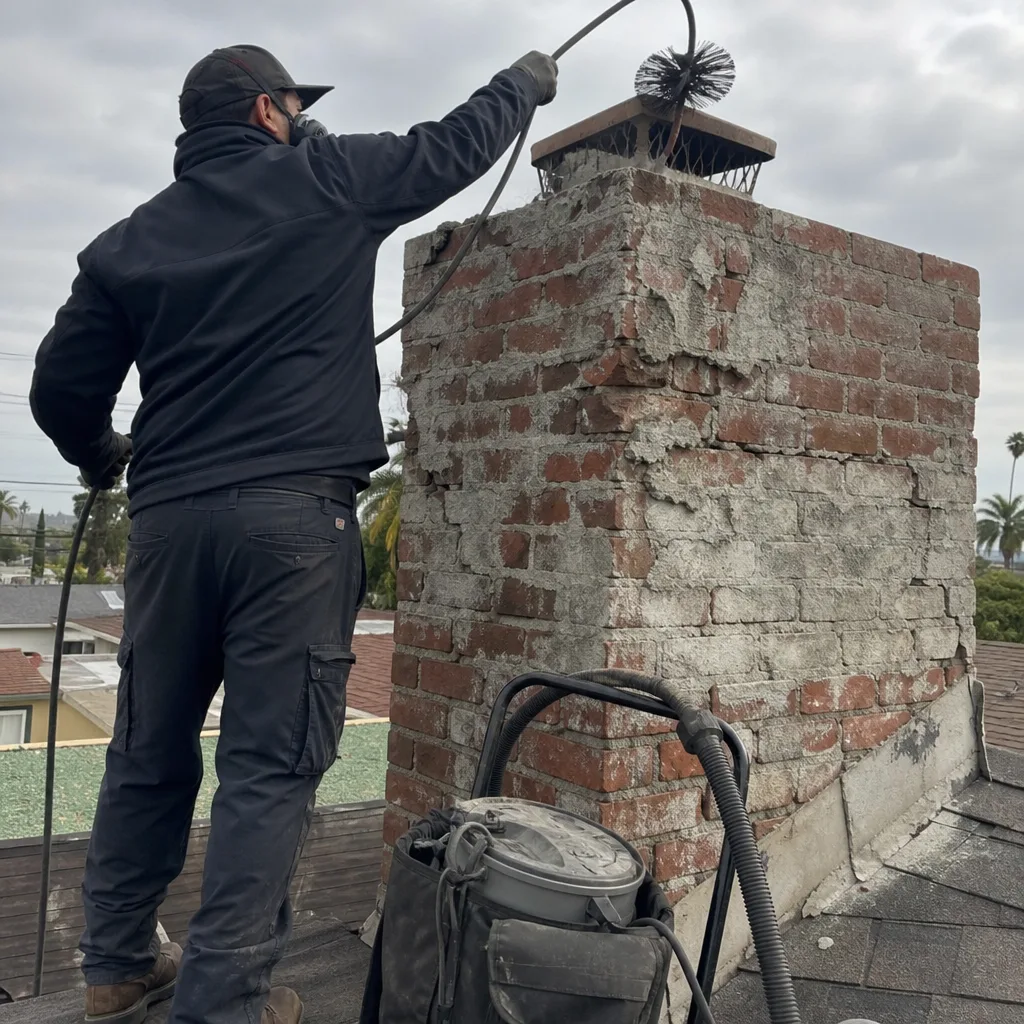 Before
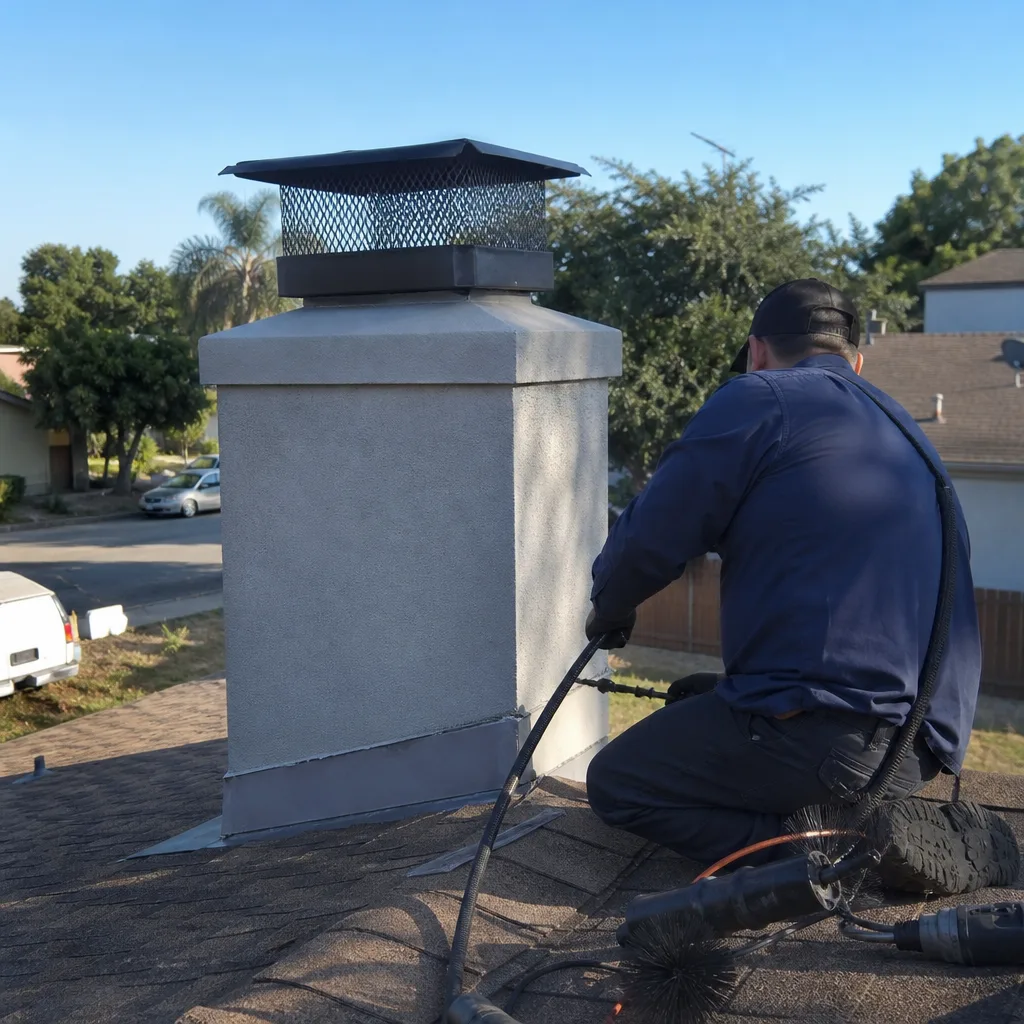 After
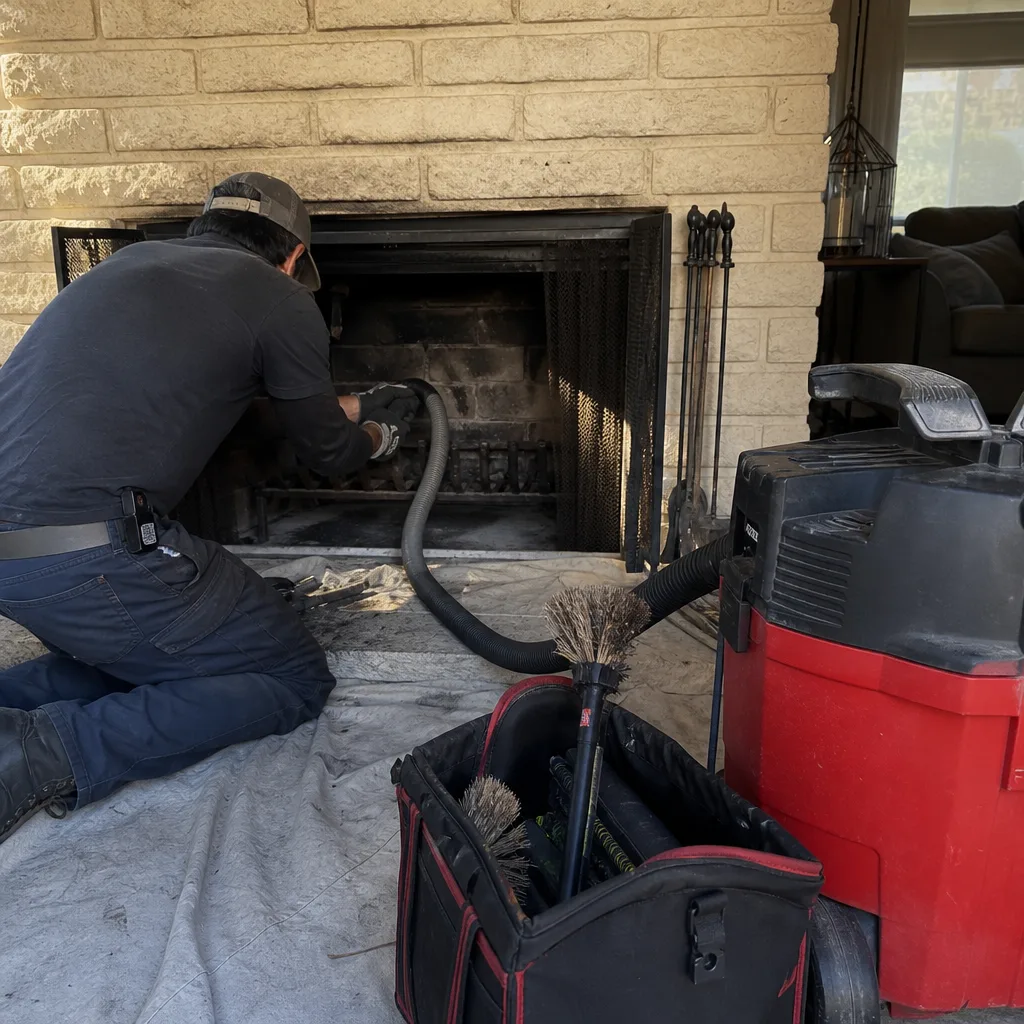 Before
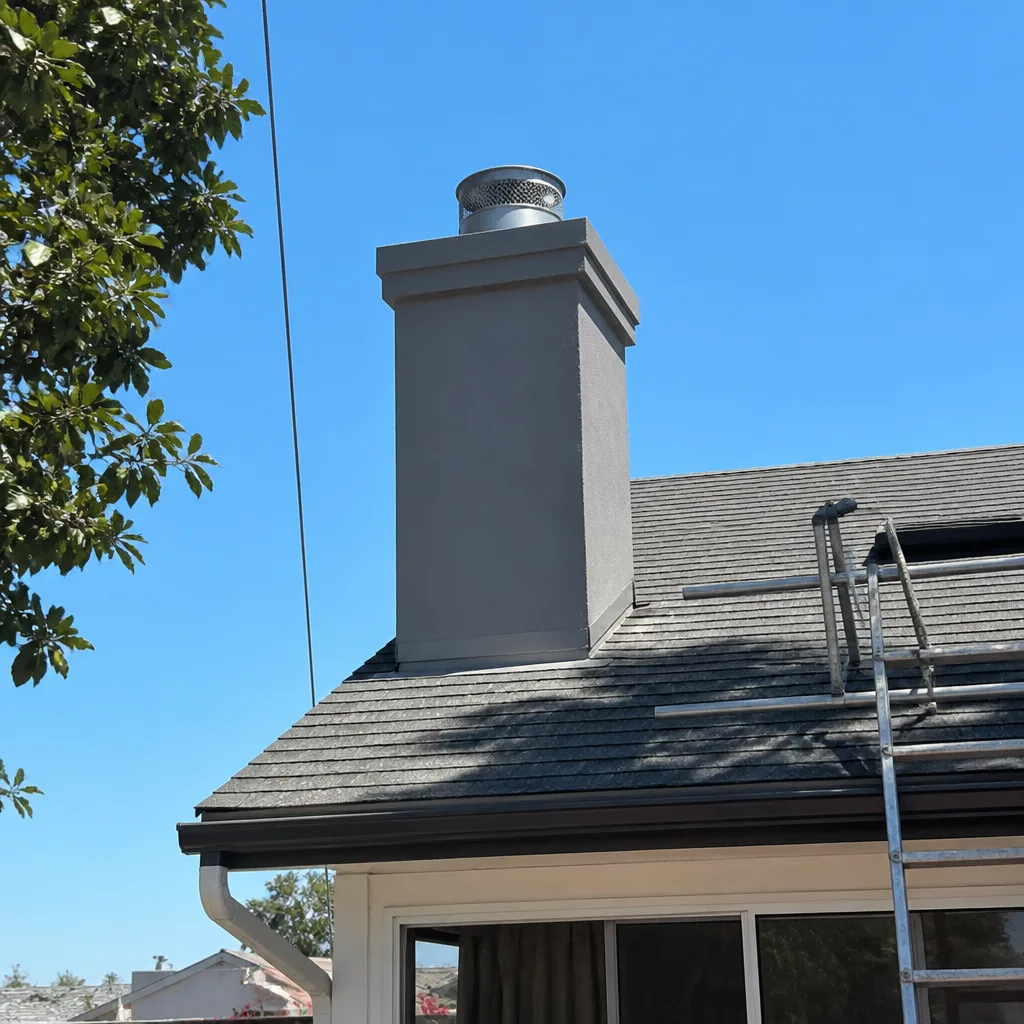 After
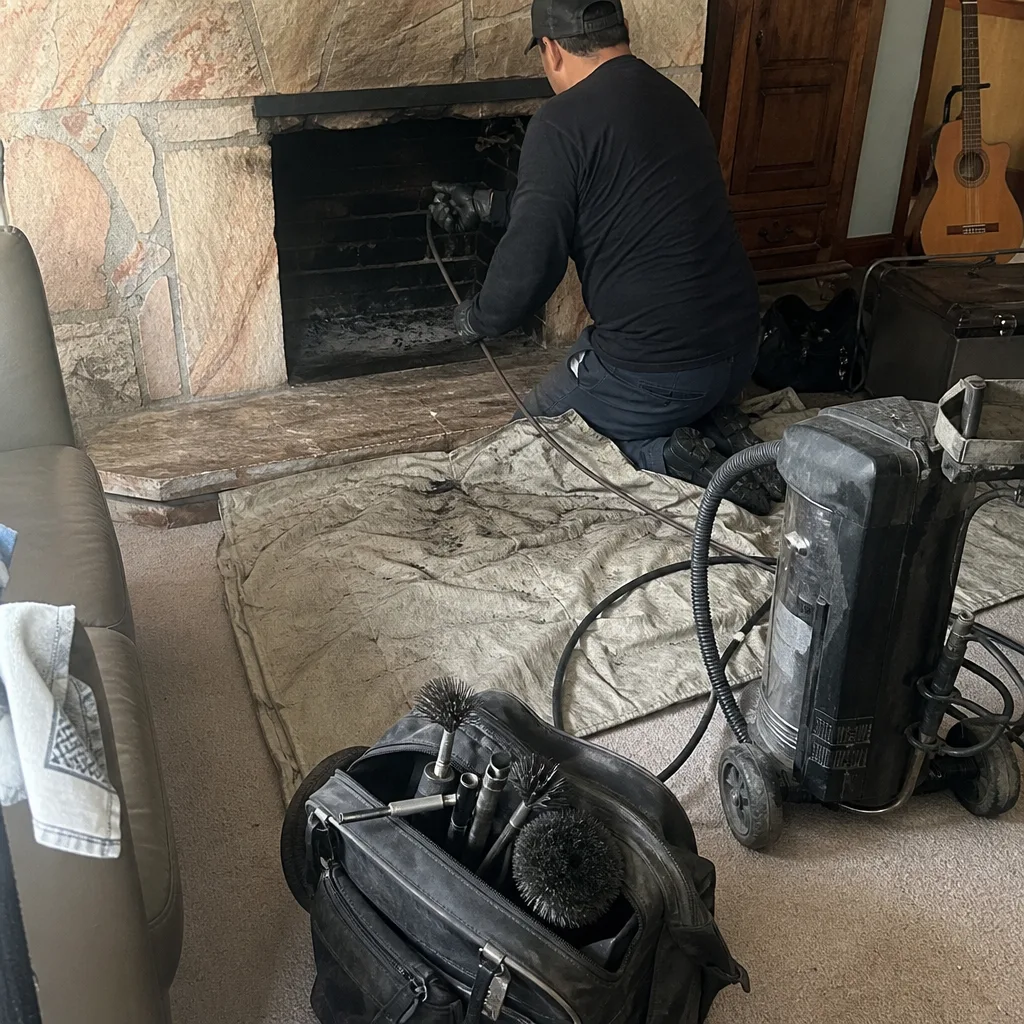 Before
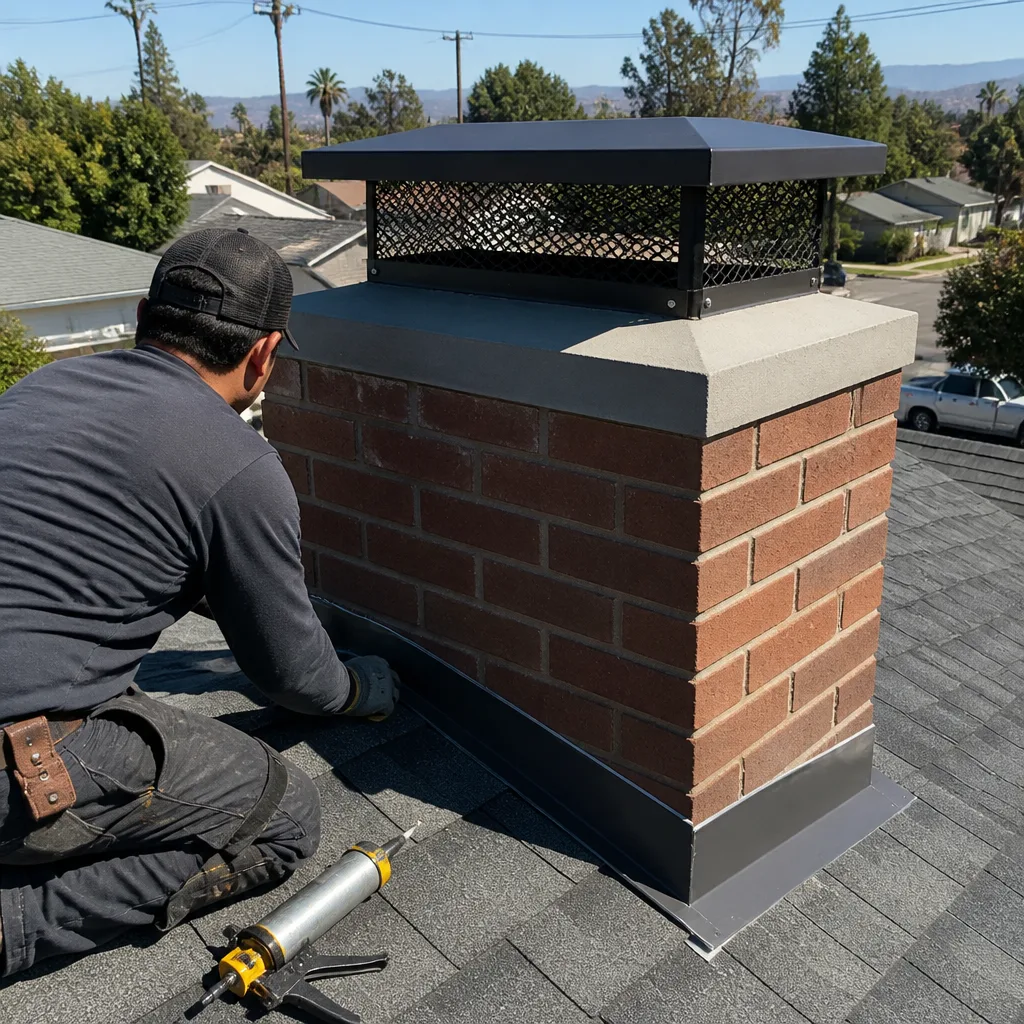 After