

Last updated October 31, 2026
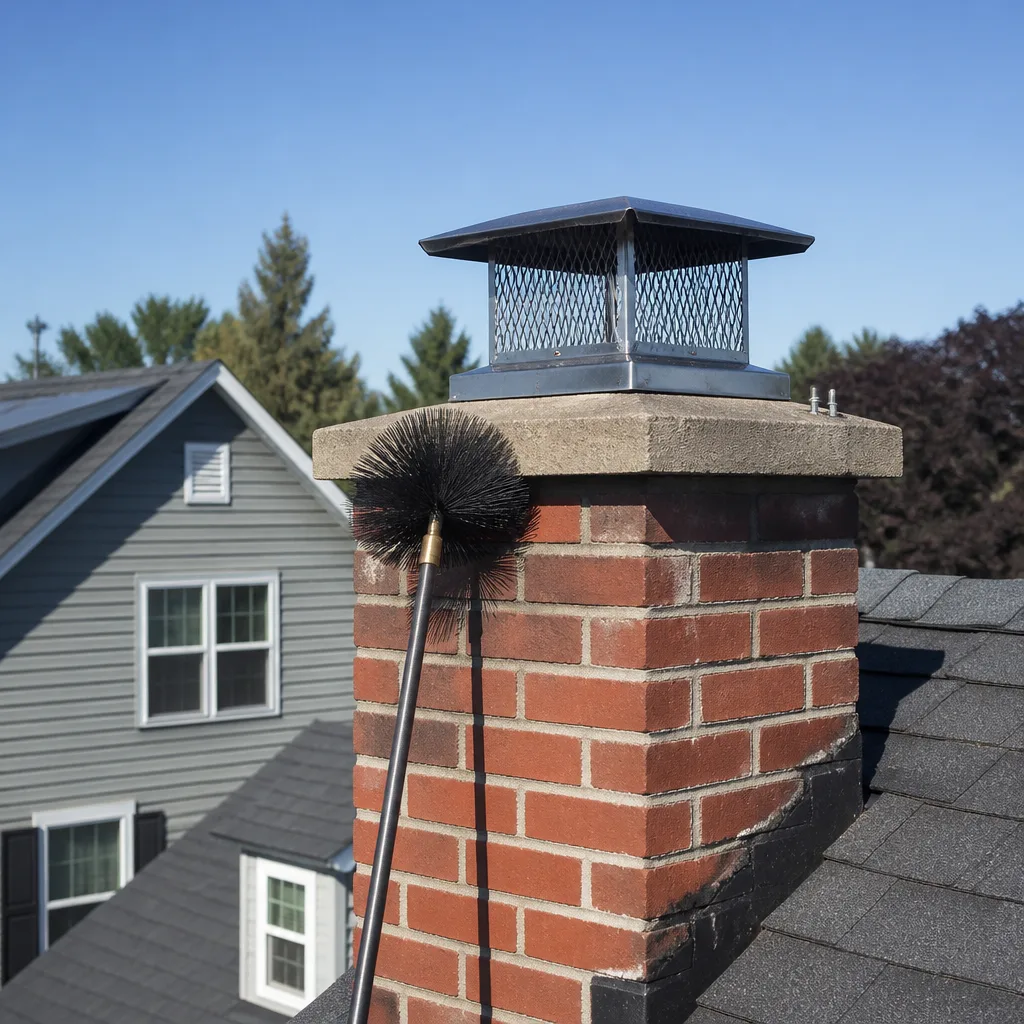 Sweep & inspection
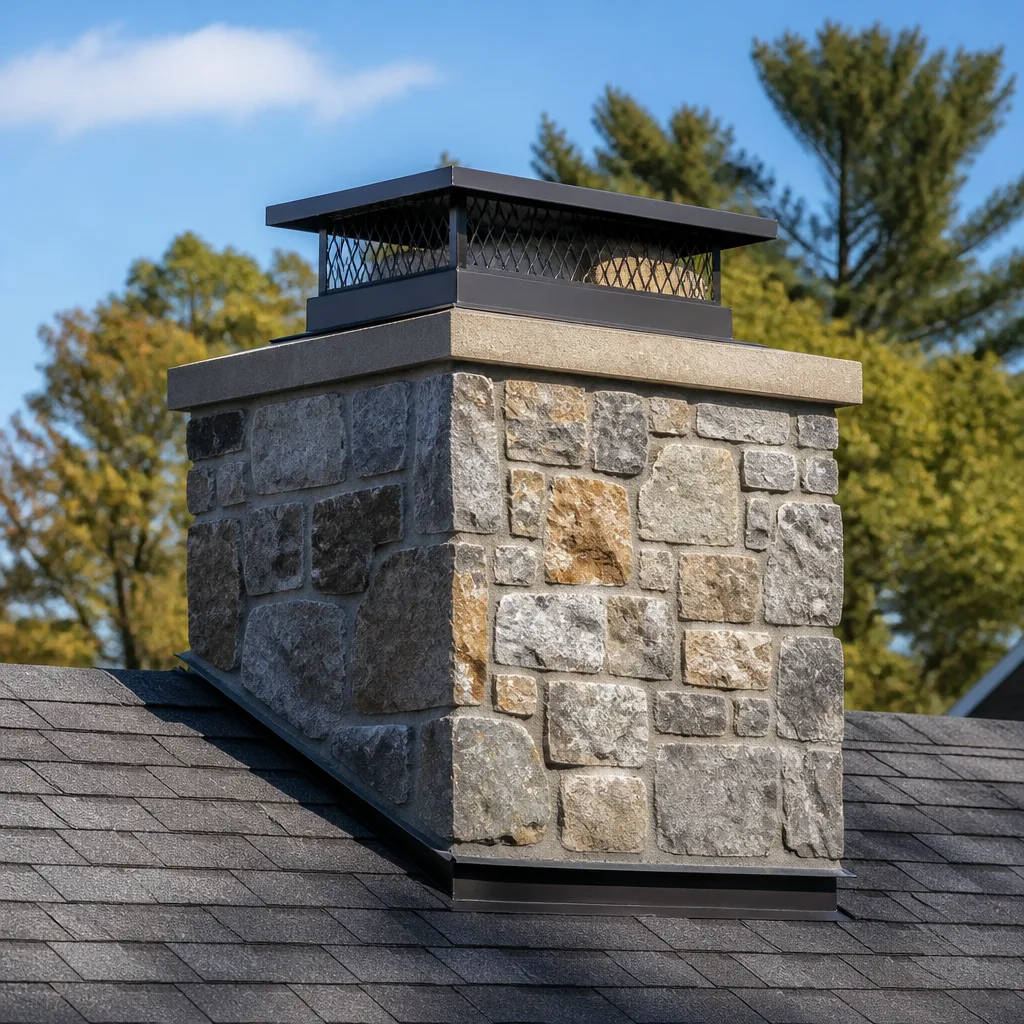 Caps & crowns
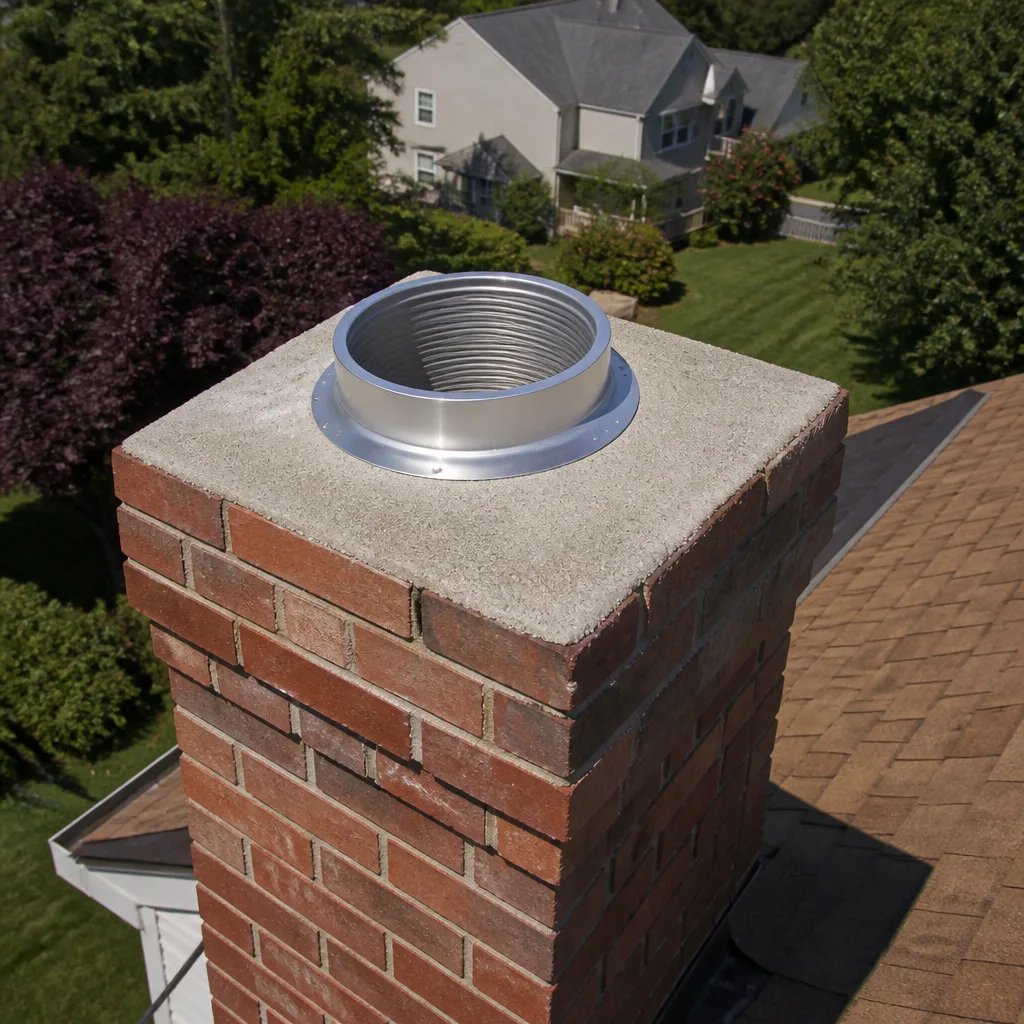 Flue relining
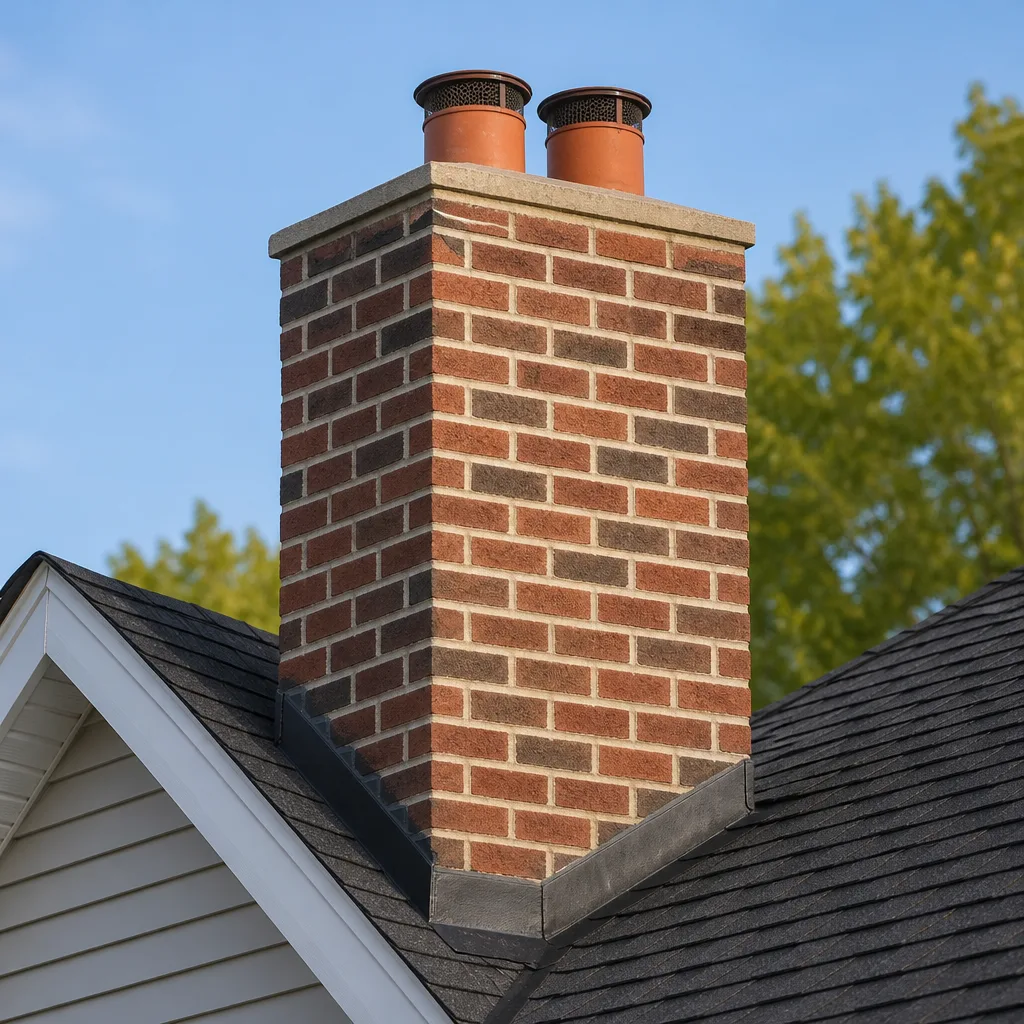 Masonry repair
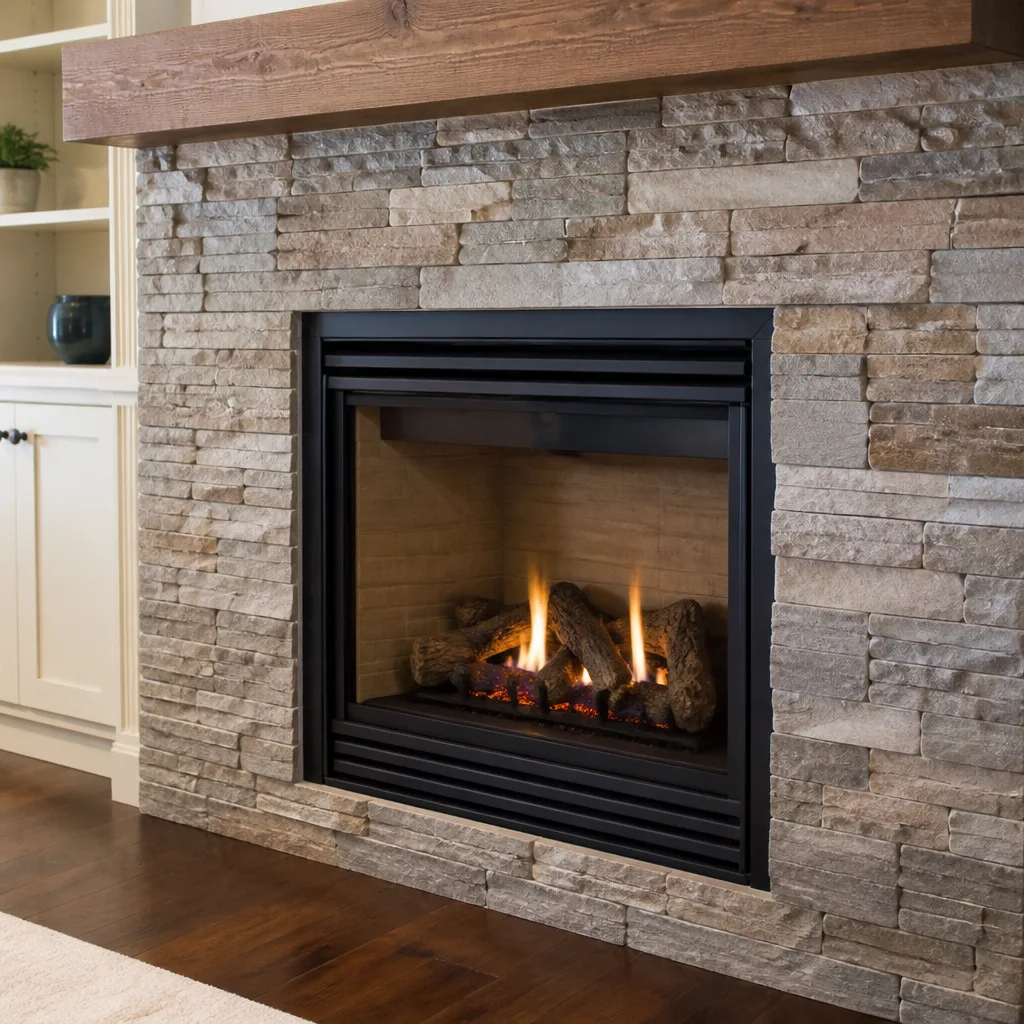 Gas fireplace service
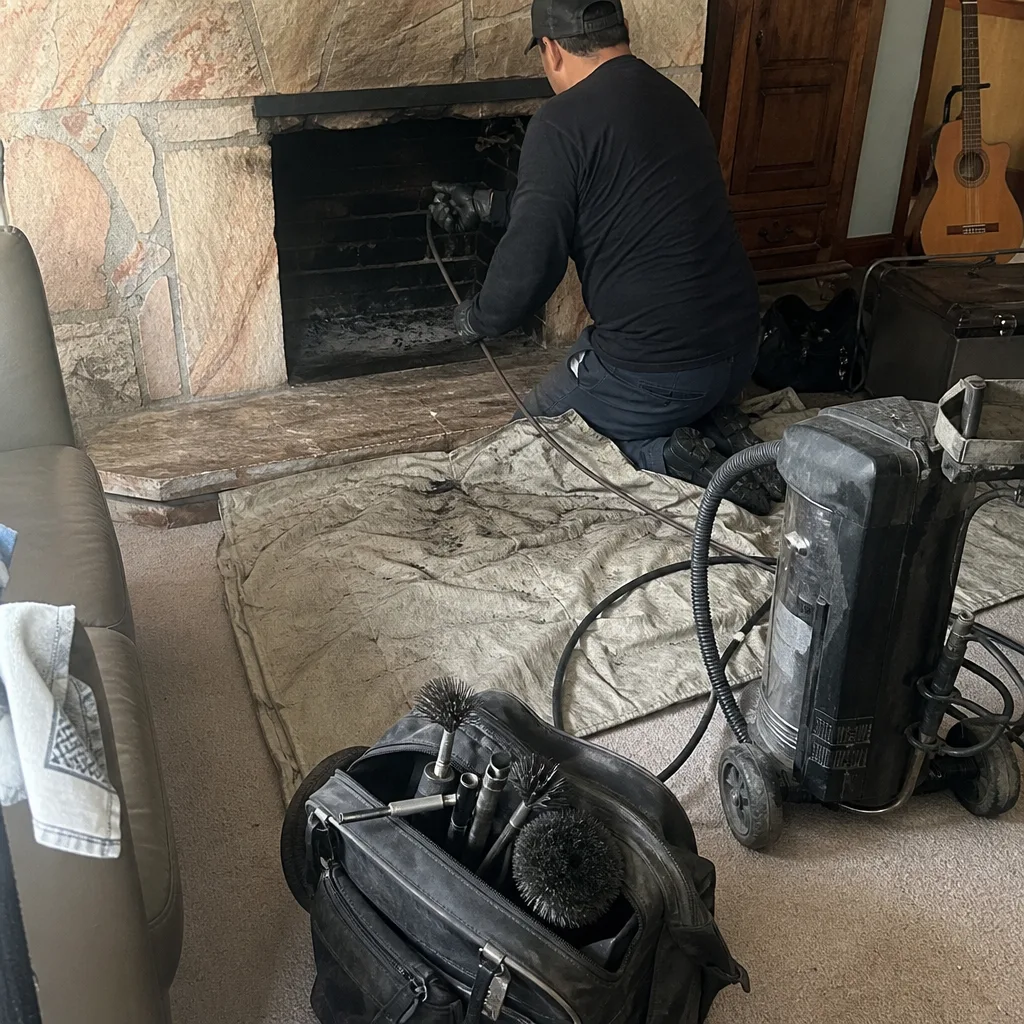
Level 1 sweep and inspection to the NFPA 211 annual standard - flue, crown, cap, and flashing checked and photographed
Chimney sweep logs do not sweep chimneys. They loosen some creosote - which then falls where a brush and vacuum still have to collect it.
DIY vs Professional Chimney Cleaning: The East Los Angeles Homeowner’s Decision Guide
Every fall, hardware stores in East Los Angeles sell chimney brushes to homeowners who’ve decided they can handle the job themselves. Here’s what the brush aisle won’t tell you: the sweeping motion takes an afternoon to learn, but reading what that brush brings down takes years. A flue can draft perfectly and still be hiding glazed creosote deposits or a cracked liner that turns a cozy fire into a house fire. This guide walks through what a homeowner can legitimately do, what requires professional training, and how to decide which path makes sense for your chimney. For how to hire a chimney cleaning contractor in East Los Angeles, see our step-by-step guide.
Styles & brands we work with
Quick Answer
DIY chimney cleaning in East Los Angeles works for light ash and debris removal between professional inspections, but it cannot replace what a certified sweep actually does. The core value of a professional cleaning isn’t the brushing; it’s the assessment of creosote stage, liner integrity, and clearance-to-combustible verification that happens during the process. If your goal is just to knock loose some flaky Stage 1 creosote, DIY is defensible. If you need to know whether your chimney is safe to operate, that requires training and tools most homeowners don’t own.
Table of Contents
- What a Homeowner Can Legitimately Do Themselves
- What Requires a Certified Sweep
- The DIY Failure Modes We See in East LA Homes
- How Southern California’s Climate Creates Overconfidence
- The Real Cost Comparison: DIY vs Professional
- Understanding Creosote Stages: Why It Matters
- Tool Guide: What DIY Kits Actually Include vs What Pros Use
- Safety Risks That Don’t Show Up in DIY Tutorials
What a Homeowner Can Legitimately Do Themselves
We’re not anti-DIY. We’re anti-false-confidence. There are three tasks around a chimney that a careful East Los Angeles homeowner can handle without professional training, and doing them between professional cleanings actually helps maintain the system.
Firebox Debris Removal
Ash and unburned wood fragments in the firebox are yours to manage. Wait at least 72 hours after the last fire so embers are fully out. Use a metal ash bucket with a tight-fitting lid, never a plastic bin or paper bag. A dedicated fireplace shovel with a long handle keeps your face away from fine particulate. Wear an N95 mask; fireplace ash contains silica and fine carbon particles that aren’t good for your lungs. Scoop gently rather than sweeping aggressively, which just launches ash into your living room. Leave about half an inch of ash on the firebox floor during burning season; it actually insulates coals and makes your next fire easier to start.
Cap Inspection from Ground Level
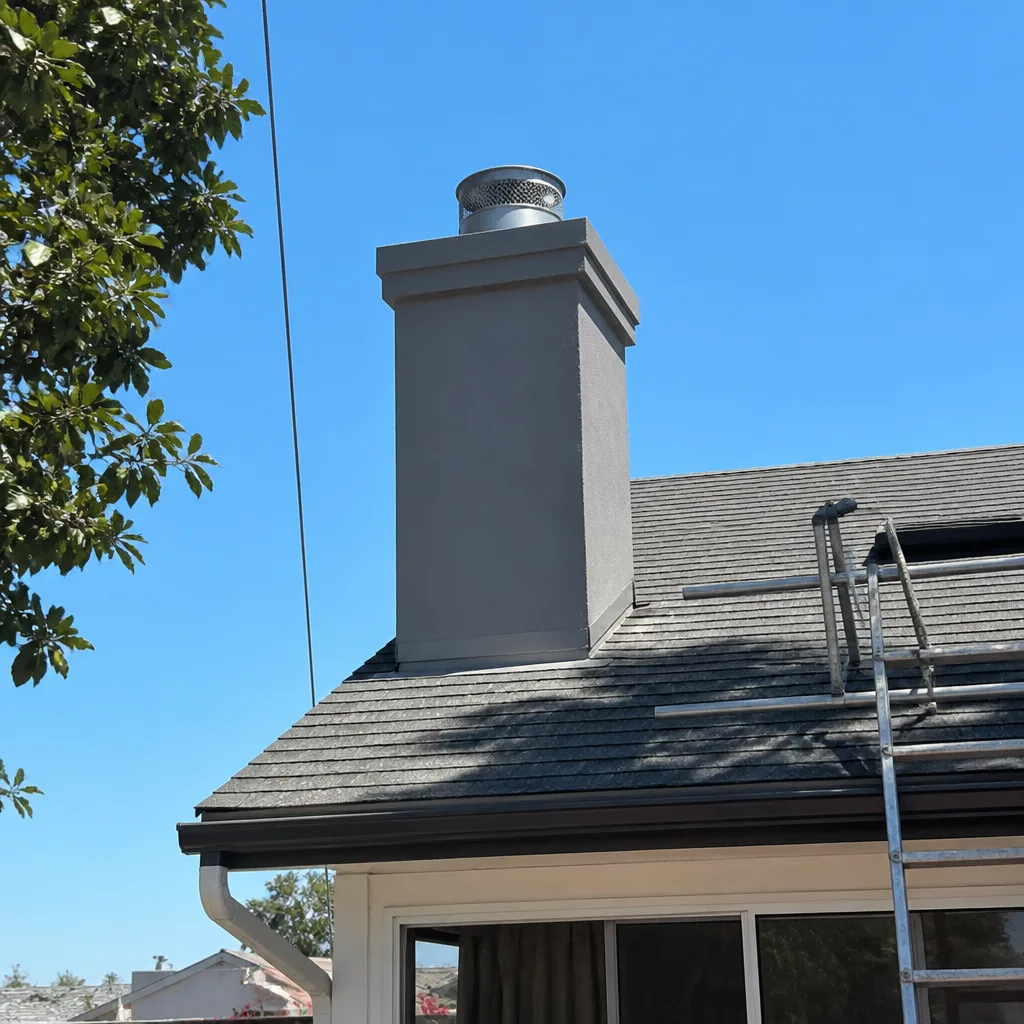
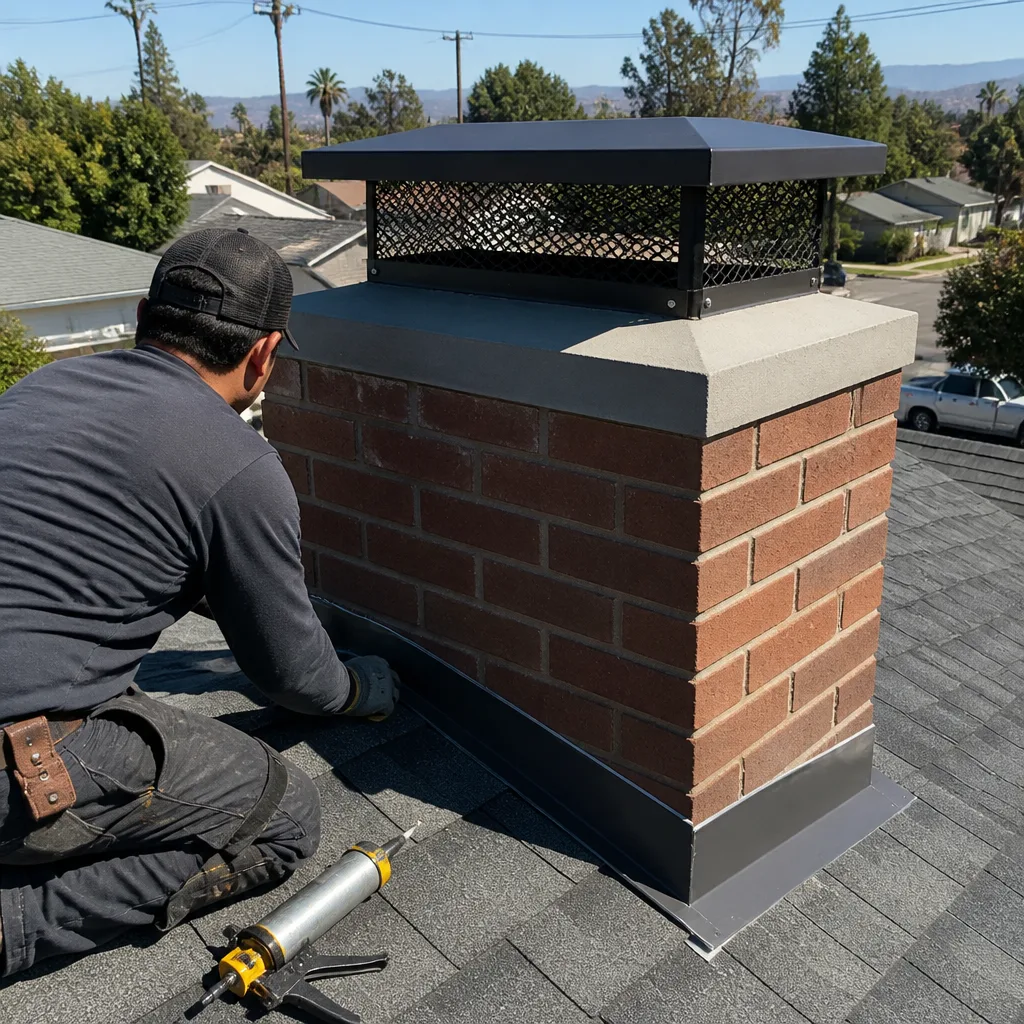
Walk outside with binoculars. Look at the chimney cap. You’re checking for three things: visible rust or deterioration, debris accumulation on the cap mesh, and whether the cap sits level. A leaning or rusted cap in East Los Angeles is common because we get just enough coastal moisture to accelerate corrosion without enough rain to wash salt residue away. If the mesh is clogged, don’t climb up with a wire brush. Note it and call a professional. Clogged caps restrict draft and cause smoke blowback, but the roof work itself carries fall risk you shouldn’t take.
Basic Smoke Test
This is the one diagnostic a homeowner can run to check draft direction. Before lighting a fire, open the damper completely. Hold a lit incense stick (or a rolled newspaper that’s just been lit and blown out) inside the firebox near the damper opening. Watch the smoke. If it’s drawn up into the flue, your draft is working at that moment. If it curls back into the room or hangs in the firebox, you have a draft problem that could be a cold flue, a clogged cap, or negative pressure from kitchen exhaust fans. Note: a passing smoke test tells you air is moving up. It tells you nothing about creosote accumulation, liner cracks, or proper clearances. That’s the limit of this test, and you should know that going in.
What Requires a Certified Sweep
Here’s where the DIY question gets real. Three diagnostic tasks separate a cleaning from an inspection, and none of them can be done with a brush kit from Home Depot.
Flue Camera Inspection
A chimney brush tells you what’s on the walls of your flue. A camera tells you what’s behind the walls. Professional sweeps run an articulating camera up the flue to capture footage of every tile joint, every seam in a metal liner, and every transition point from firebox to throat to cap. This footage shows hairline cracks that are invisible to the naked eye from either end. It shows mortar joints that have opened up inside the flue where you’ll never see them. In East Los Angeles, older homes built before the 1980s often have clay tile liners that develop vertical cracks from decades of thermal expansion and contraction, and these cracks don’t announce themselves with smoke or odor. Our seasonal chimney cleaning care for East Los Angeles guide explains how to protect these systems year-round. They announce themselves with a house fire. A camera inspection costs a fraction of what a chimney fire costs.
Creosote Staging Assessment
Creosote isn’t one substance. It’s a spectrum of deposits that behaves differently depending on stage, and knowing which stage you’re dealing with determines whether brushing is even effective. Stage 1 is flaky, dusty, and brushes off easily. Stage 2 is granular and crystalline, like coarse sand baked onto the flue wall. Stage 3 is glazed, tar-like, and hard enough that a standard wire brush just polishes the surface while the dangerous fuel load stays in place. Most DIY guides don’t distinguish between these stages at all. A certified sweep can identify the stage within seconds of looking at the first brush pass, and that assessment changes the entire cleaning approach. Stage 3 creosote often requires chemical treatment or mechanical rotary cleaning, not a basic brush job.
Liner Integrity Evaluation
A brush can knock a loose tile out of place. A professional knows how to check whether that tile was already failing and whether the liner is still safe. Clay tile liners in East LA homes endure decades of use with minimal maintenance, and the joints between tiles are the weak point. If mortar between tiles erodes or cracks, heat transfers to the surrounding masonry at that point and eventually reaches combustible framing. This is a slow failure that produces no visible symptoms from the firebox. A certified sweep evaluates joints with a camera, flags sections that need attention, and can recommend specific repair paths, from HeatShield resurfacing for minor deterioration to full relining with a DuraFlex flexible liner system when tiles have failed completely. Those aren’t DIY decisions, and they aren’t visible without professional equipment.
The DIY Failure Modes We See in East LA Homes
We’ve swept chimneys in East Los Angeles that were DIY-cleaned the previous season. The patterns repeat.
Failure one: incomplete creosote removal leaving glazed deposits. A homeowner runs a brush up and down three or four times, sees some dusty material fall, and figures the job’s done. What they can’t see is the Stage 3 glazed creosote that didn’t budge. The brush polished over it. Next season, another layer forms on top. Within two or three years, that chimney has a serious fuel load and the homeowner believes they’ve been maintaining it all along. The firebox looks fine because the glazed deposits are higher up in the flue where no one looks.
Failure two: damaged liner tiles knocked loose by improper brush sizing. Chimney brushes come in specific diameters matched to specific flue sizes. Use a brush that’s too large and you’re forcing stiff metal bristles against clay tiles under pressure. Use one that’s too small and you’re aggressively scrubbing tiny areas while missing the rest. We’ve found chipped tile edges and displaced sections in East LA chimneys where the homeowner sized their brush based on a guess. A cracked tile that gets worse during a DIY sweep becomes a repair that costs ten times what the brush kit did.
Failure three: the “cap looks fine from the ground” miss. Ground-level binocul
See the difference
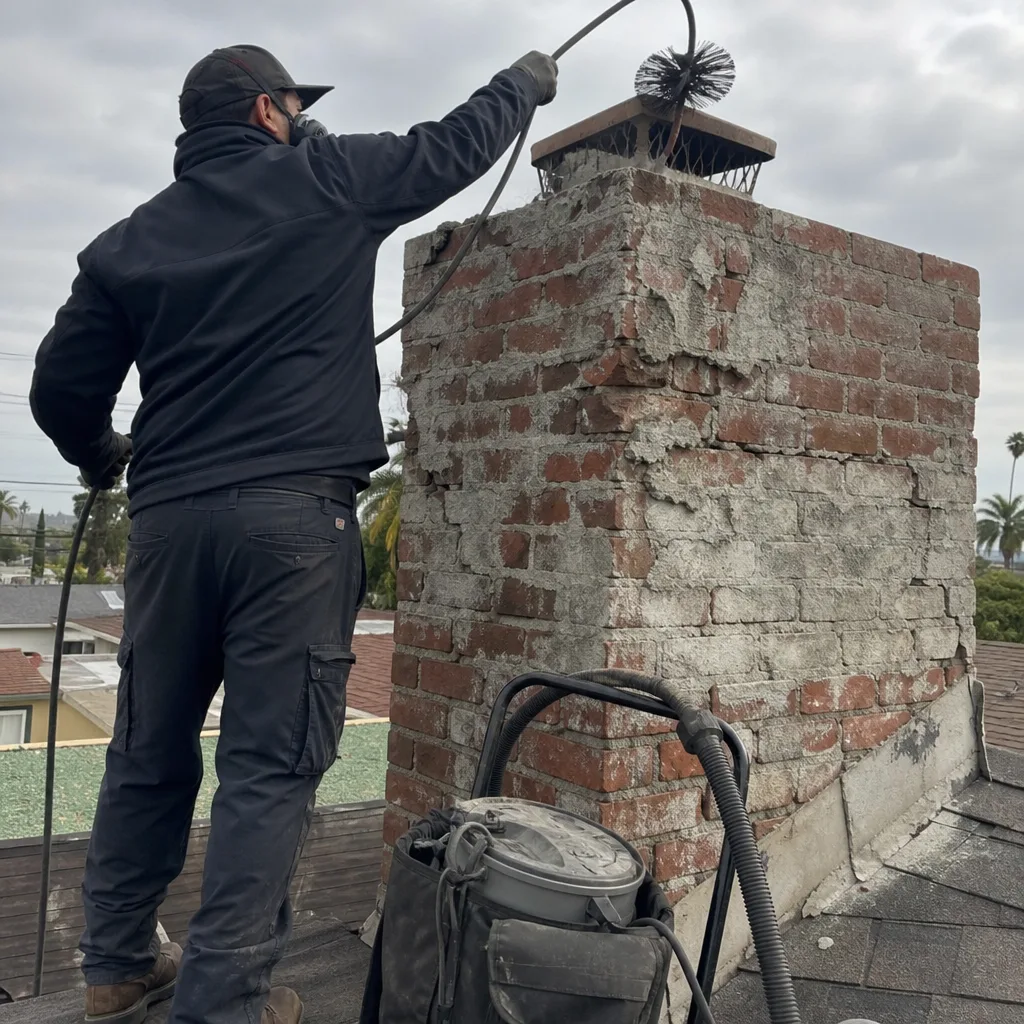 Before
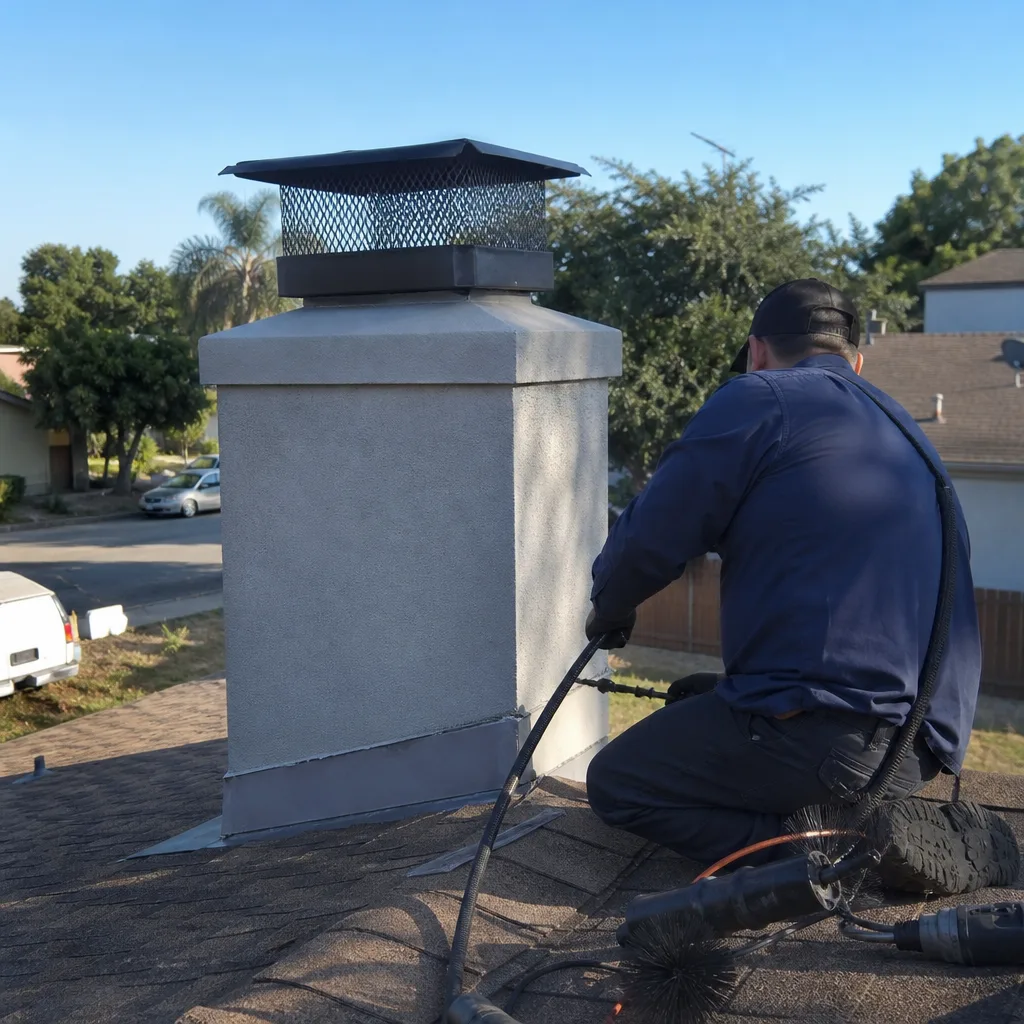 After
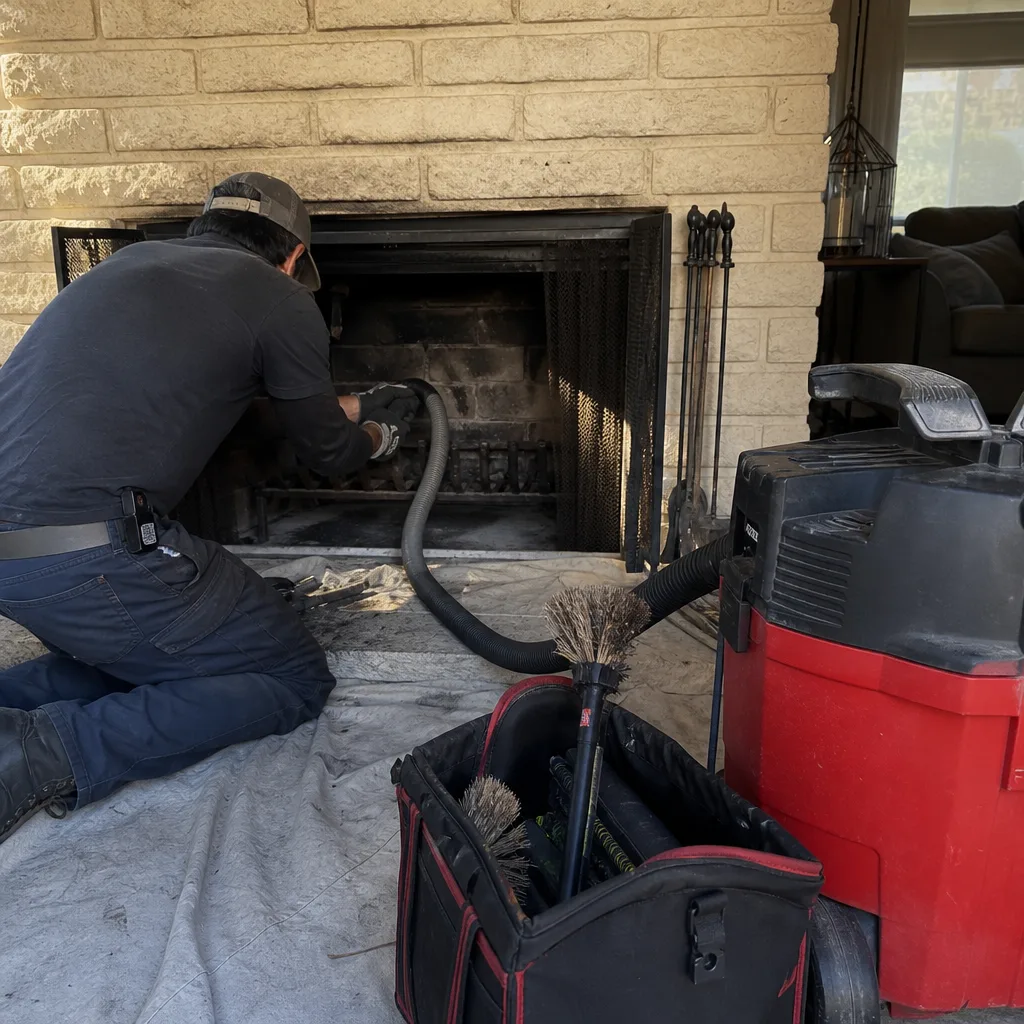 Before
 After
 Before
 After