
Last updated October 31, 2026
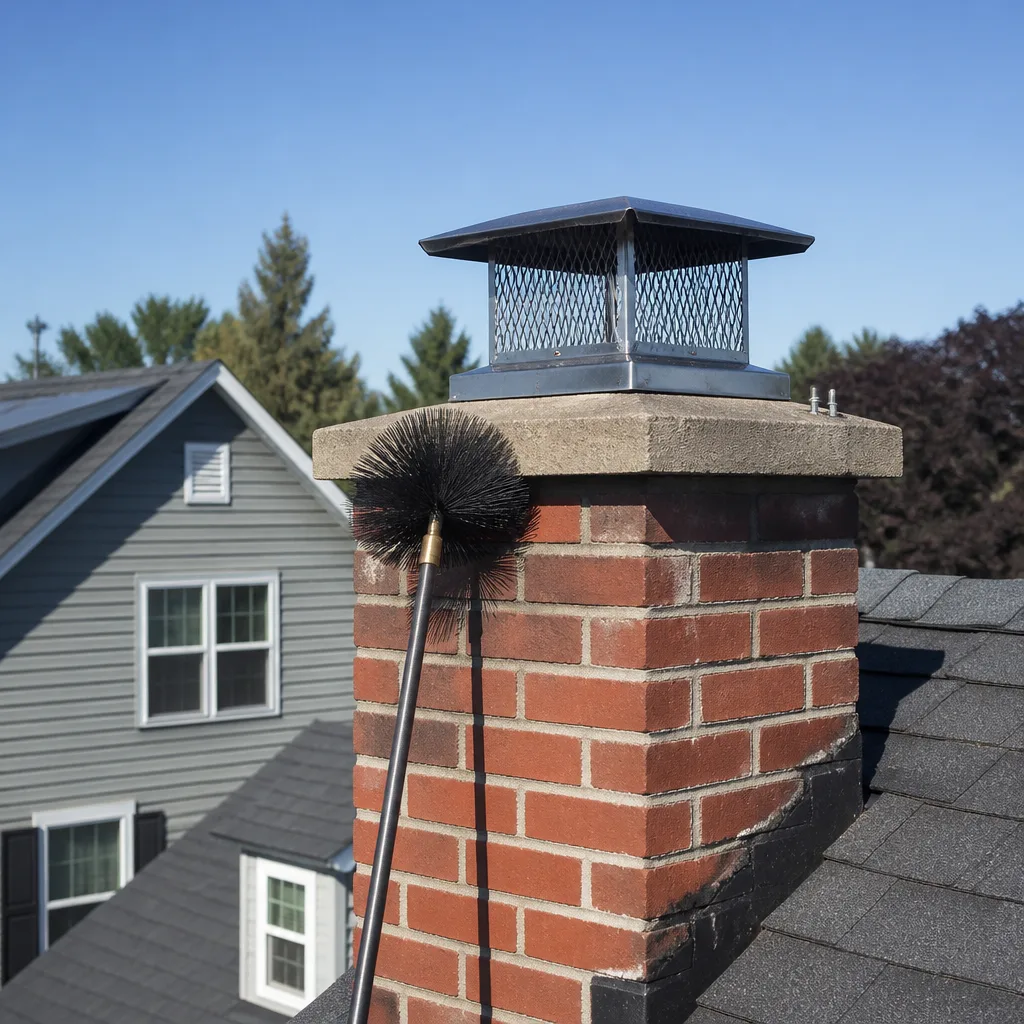 Sweep & inspection
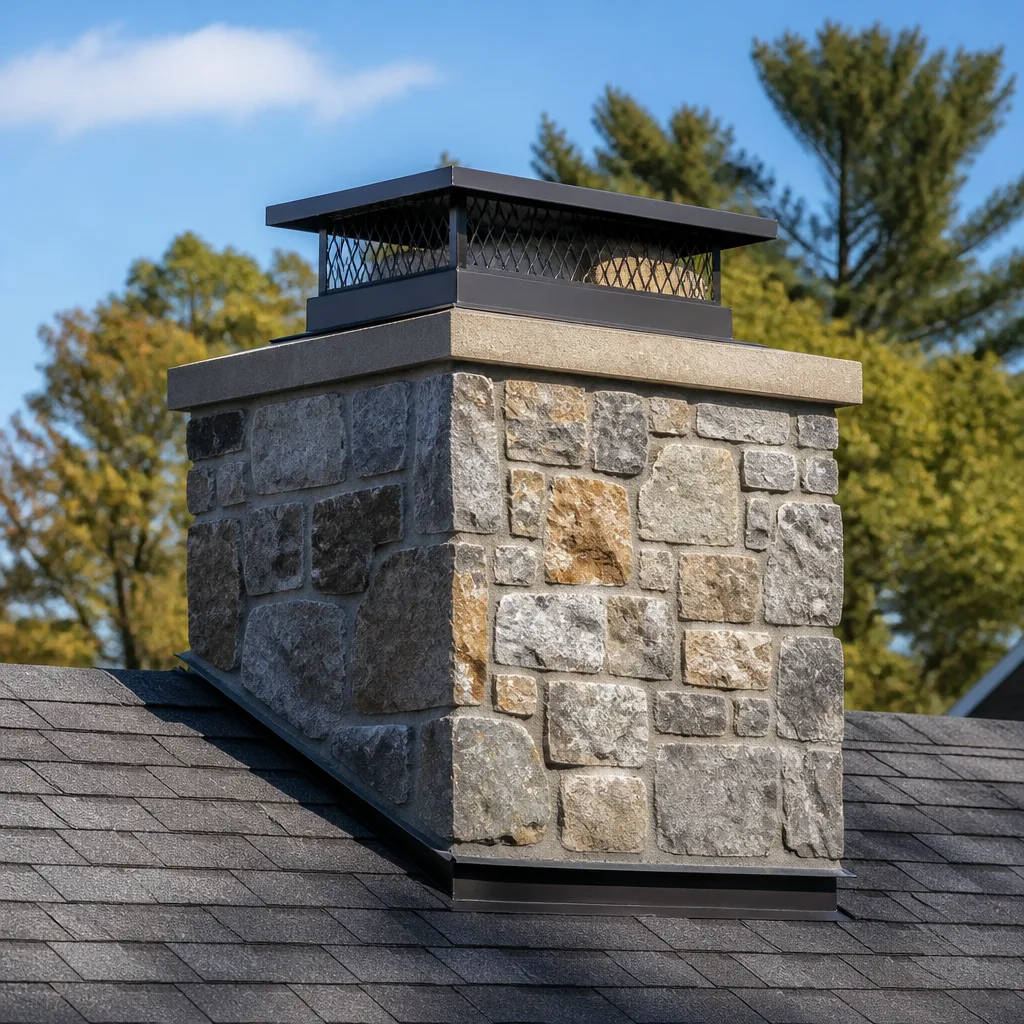 Caps & crowns
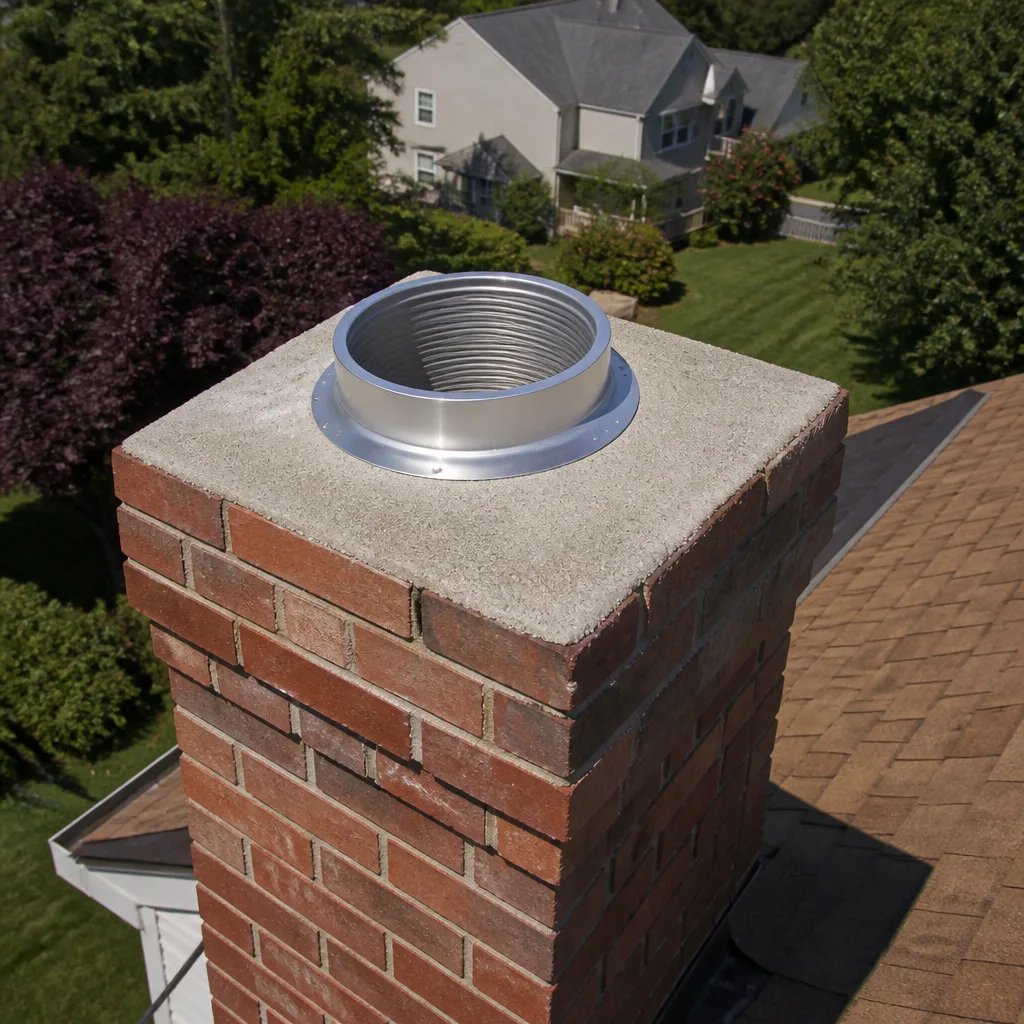 Flue relining
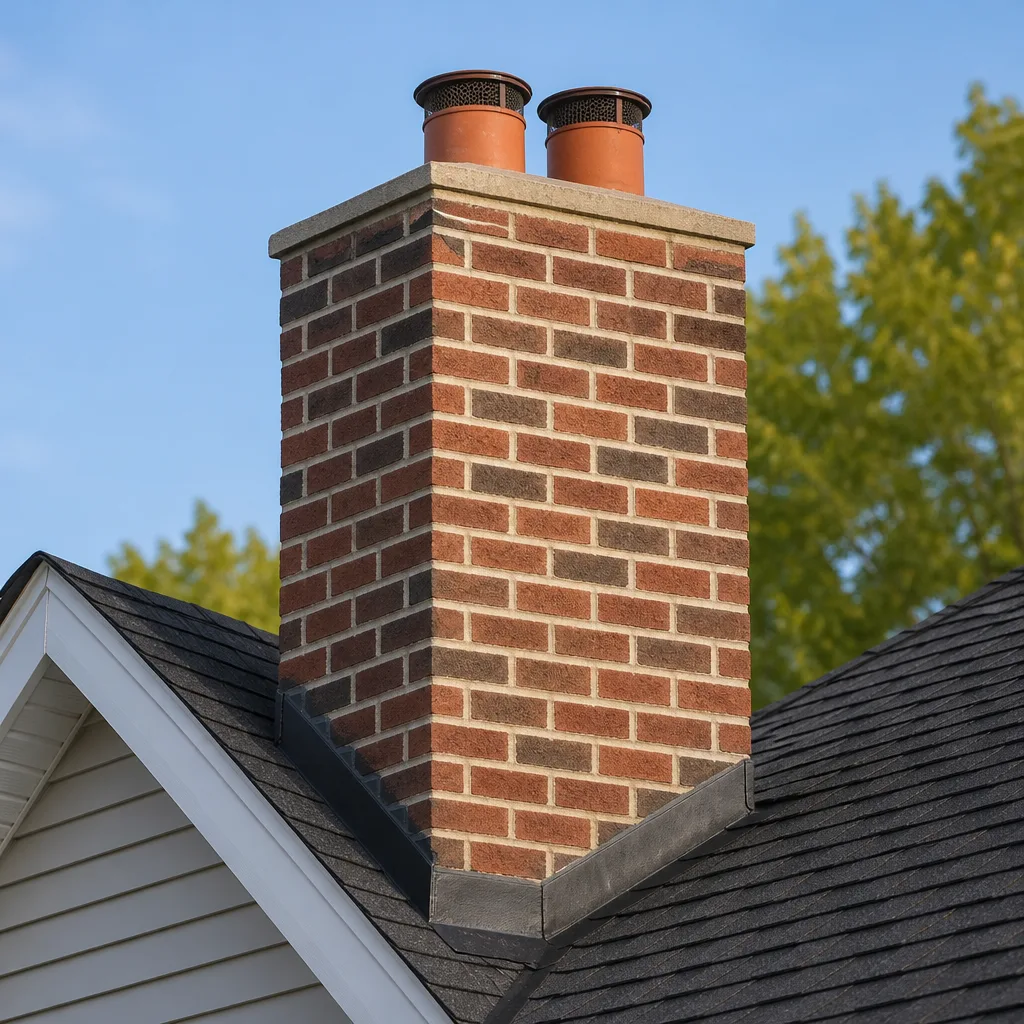 Masonry repair
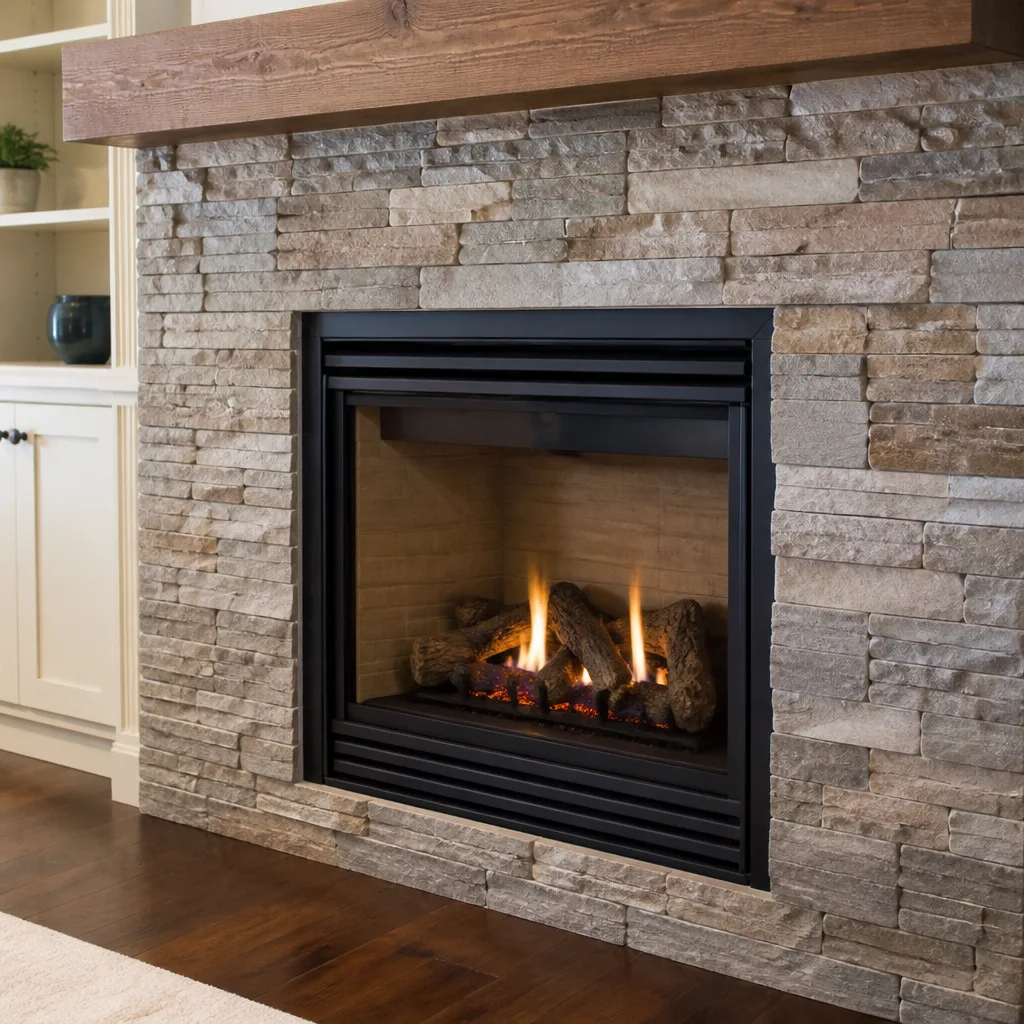 Gas fireplace service
Level 1 sweep and inspection to the NFPA 211 annual standard - flue, crown, cap, and flashing checked and photographed
Chimney sweep logs do not sweep chimneys. They loosen some creosote - which then falls where a brush and vacuum still have to collect it.
The Complete Chimney Sweep Guide for East Los Angeles Homeowners
Most East Los Angeles homeowners use their fireplace fewer than 10 times a year. That sounds safe, but here’s what nobody tells you: low-use chimneys accumulate concentrated creosote deposits that sit and harden, and moisture gets trapped in the flue for months at a time. A fireplace that burns every week in Minnesota actually dries itself out. A fireplace that burns four times between November and January in East LA becomes a condensation trap, a creosote incubator, and a slow-motion masonry problem all at once. This guide explains exactly what your chimney needs in this specific climate, when it needs it, and how to spot problems before they become fire hazards or four-figure repairs.
Styles & brands we work with
Quick Answer
A chimney sweep in East Los Angeles typically costs between $149 and $249 for a standard cleaning with visual inspection, and should be scheduled annually regardless of how often you burn. But the real value in this market is a full-scope inspection that includes flue liner evaluation, because East LA’s combination of seismic activity, marine-layer moisture, and decades-old masonry creates problems a basic sweep never catches.
Table of Contents
- Why East LA Chimneys Fail Differently Than Anywhere Else
- What a Professional Chimney Sweep Actually Includes
- When You Need a Level 2 Camera Inspection
- Liner Damage: The $1,200 Problem Hiding Behind a $199 Sweep
- Creosote, Explained for People Who Don’t Burn Much
- Your East LA Chimney Service Calendar
- How to Vet a Chimney Sweep in East Los Angeles
- Why Your Dryer Vent Belongs in This Conversation
- Common Mistakes to Avoid
- When to Call a Professional
- Frequently Asked Questions
- The Bottom Line
Why East LA Chimneys Fail Differently Than Anywhere Else
Forget snow. Forget freezing rain. East Los Angeles has a set of chimney problems that a guide written for Vermont or Michigan simply does not address. In our experience working on chimneys throughout East Los Angeles and the surrounding San Gabriel Valley, the damage patterns break down into three categories unique to this region.
Seismic mortar cracking. Every earthquake above about 4.0 magnitude stresses mortar joints, and East LA sits near the Whittier Narrows fault system. Hairline cracks form between flue tiles, which allows heat and gases to escape into the chimney chase or framing. These cracks are nearly invisible to the naked eye from the roofline, and they do not announce themselves. A chimney can look structurally fine from the exterior and be compromised internally.
Marine-layer moisture cycling. East Los Angeles gets the marine layer pushing inland most mornings between May and August. That means daily swings from 55 degrees and damp to 85 degrees and dry. Masonry expands and contracts with those swings, and over years that cycle causes spalling – the surface of bricks flaking off – and mortar deterioration. This is a slow process, but it is relentless. A chimney built in 1962 has been through more than 20,000 of these moisture cycles.
Decades of infrequent use. Many East LA homes have fireplaces that were used heavily in the 1960s through 1980s, then sat mostly dormant as families upgraded to central heating. A dormant chimney does not clean itself. Old creosote hardens into a glaze that is significantly harder to remove than fresh deposits, and the flue becomes a time capsule of whatever was last burned, plus whatever wildlife has moved in since. In neighborhoods like El Sereno, City Terrace, and Boyle Heights, we consistently find chimneys that have not been serviced in 15 to 25 years.
The takeaway is not that East LA chimneys are worse than elsewhere. It is that they fail in specific ways, and a sweep that only removes soot is not diagnosing the problem. The solution starts with understanding what a proper cleaning and inspection actually involves, which we cover in The Complete Guide to Chimney Cleaning in East Los Angeles.
What a Professional Chimney Sweep Actually Includes
A standard chimney sweep visit should take 45 to 90 minutes and include more than running a brush up the flue. Here is what a thorough service looks like when performed correctly.
- Interior lay-down protection. Drop cloths or runners from the entry to the hearth, the firebox sealed with a high-output vacuum or plastic sheeting to keep soot from entering the living space.
- Mechanical flue cleaning. The technician runs rotary brushes sized to the flue dimensions to dislodge creosote and soot from the flue walls, working from the top down or bottom up depending on access and flue type.
- Smoke chamber and damper cleaning. The area above the firebox where smoke gathers before entering the flue is scraped and brushed, and the damper plate and frame are cleaned and checked for smooth operation.
- Firebox clearing. Ash and debris removal from the firebox floor, with attention to any cracks in the firebrick that might need repair later.
- Visual inspection. A 21-point visual check covering the flue, cap, crown, damper, firebox, and exterior masonry. Looking for cracks, gaps, spalling, animal nests, and water damage.
- Report and recommendations. A clear summary of what was found, what was cleaned, and what, if anything, needs follow-up.
What gets left out of a cheap sweep matters as much as what gets included. A $99 special that skips the smoke chamber or does not physically inspect the flue liner is not a bargain. It is an incomplete service. The smoke chamber above the firebox in an older East LA home often has corbeled brick with rough mortar joints that collect creosote at a disproportionate rate. If that area is not cleaned, you are paying for a partial job.
If you want a deeper look at what a proper cleaning involves in this area, start with our Hickory Chimney Sweep home page, which breaks down our cleaning scope in detail.
When You Need a Level 2 Camera Inspection
A Level 2 inspection uses a video camera to see the inside of the flue liner end to end. This is not a standard part of an annual sweep. The National Fire Protection Association requires it in specific circumstances, and East Los Angeles homeowners hit those triggers more often than average.
After any earthquake above 4.0 magnitude. The Whittier Narrows earthquake sequence and the aftershocks that roll through East LA every few years produce enough lateral movement to crack flue tile. A cracked liner allows carbon monoxide to seep into wall cavities and heat to reach combustible framing. This is not a hypothetical risk. It is a documented cause of chimney-related structure fires.
When buying or selling a home. A Level 2 inspection should be part of every East Los Angeles real estate transaction involving a fireplace. Sellers should get it before listing. Buyers should require it in the escrow period. The $150 to $300 it costs is negligible compared to discovering a failed liner after closing.
After a chimney fire. Even a small chimney fire, the kind that makes a roaring sound and then goes out, can crack any liner material. If you have experienced any chimney fire, get a camera inspection before using the fireplace again.
When switching fuel types. Converting from wood to gas inserts changes the flue requirements. A camera inspection confirms whether the existing liner is rated for the new appliance’s exhaust temperature and volume.
The camera reveals what a visual inspection cannot: hairline cracks in the flue tile, separated tile joints, deteriorated mortar between tiles, and hidden blockages. We have found everything from tennis balls to full hornet nests inside East LA flues, all invisible from the top and bottom of the chimney. A basic visual scan would have given those homeowners a clean bill of health.
Liner Damage: The $1,200 Problem Hiding Behind a $199 Sweep
Here is the uncomfortable truth about chimney liners in East Los Angeles. Most flue tiles installed before 1980 are showing age-related deterioration, and the only way to confirm it is with a camera. When a sweep finds liner damage, the repair conversation gets real fast.
A flue liner serves three jobs: it contains heat, channels smoke upward, and protects the chimney structure from corrosive combustion byproducts. When the liner cracks or gaps form, all three jobs fail. Heat reaches combustible framing. Smoke and carbon monoxide find paths into the home. Moisture and acids eat away at interior masonry.
There are two primary repair paths, and they are not interchangeable.
HeatShield resurfacing. This system restores a degraded flue liner by applying a cerfractory sealant to the interior walls, filling cracks, smoothing deteriorated surfaces, and creating a continuous insulating barrier. It is appropriate when the liner is mostly intact but showing hairline cracking or surface deterioration. HeatShield does not require demolition – the material is pumped or troweled through the flue from the top or bottom, depending on access – and it restores the liner to service with less disruption than a full replacement. Hickory Chimney Sweep performs this repair in-house as part of our Chimney Repair in South San Gabriel service line.
DuraFlex flexible liner systems. When the liner is too far gone for resurfacing – major cracks, collapsed sections, or when the homeowner is installing a new appliance with different venting requirements – a DuraFlex flexible liner is inserted through the existing flue and insulated in place. DuraFlex is a professional-grade stainless liner specified by certified chimney contractors, not a hardware-store product. It comes with a manufacturer’s rating for the intended fuel type and appliance class, and it gives the chimney a service life measured in decades.
The decision between HeatShield resurfacing and DuraFlex relining comes down to the severity of the damage, the type of appliance venting through the flue, and budget. A camera inspection reveals which path is appropriate. If a company recommends either solution without camera evidence, walk away. No one can see liner damage through a pair of binoculars from the sidewalk.
Creosote, Explained for People Who Don’t Burn Much
Creosote is the byproduct of incomplete wood combustion. It forms when smoke cools and condenses on flue walls, leaving a sticky, tar-like residue. The more it accumulates, the more dangerous it becomes, and it progresses through three stages.
Stage 1: Flaky soot. This is the earliest and easiest to remove. It brushes off with standard rotary cleaning. Most chimneys that are swept annually stay in this zone.
Stage 2: Baked-on flakes. As the creosote thickens, it hardens into a crunchy, tar-like layer that requires more aggressive rotary heads and elongated cleaning rods to dislodge.
Stage 3: Glazed creosote. This is the dangerous one. Glazed creosote is a hard, shiny, tar-like coating that is extremely difficult to remove and extremely flammable. It forms when a flue is subjected to repeated cycles of hot and cold and is most common in chimneys that are used infrequently. A low-use East LA chimney that gets a fire on Thanksgiving, Christmas, and maybe two other nights a year is a prime candidate for glazed creosote formation.
The counterintuitive part is worth restating: regular use keeps a chimney cleaner than occasional use, because regular burning keeps deposits soft and removable. Sporadic use lets deposits harden between fires, and by the time you burn again, you are heating a glaze that can ignite at around 1,000 degrees Fahrenheit. Chimney fires from glazed creosote can burn hot enough to crack flue tile – which means a homeowner who starts with a creosote problem can end with a liner problem without ever noticing the fire happened.
Annual sweeping, regardless of how few fires you burn, prevents this progression. It is the single most cost-effective fire-safety measure you can take for a fireplace, though DIY vs Professional Chimney Cleaning: The East Los Angeles Homeowner’s Decision Guide can help you choose the right approach.
Your East LA Chimney Service Calendar
Most chimney guides repackage the East Coast playbook: sweep in September, burn all winter, sweep again in spring. That calendar does not map to East Los Angeles. Here is the schedule that actually fits this climate and this fire season.
August through September: Prep for burning season. Schedule your annual sweep during this window. The marine layer is still doing its daily moisture cycle, but the goal is to have the chimney clean, inspected, and ready before the first cold snap and before Santa Ana wind season arrives. Santa Anas bring low humidity and gusting winds, which increase fire risk substantially. You do not want to discover a creosote problem or a cracked liner in October when fire danger is peaking.
October through December: Burn season, monitored. Use the fireplace as you normally would during the cooler months. If you notice any of these signs, stop burning and call for an inspection: smoke entering the room instead of going up the flue, a strong campfire smell that lingers days after the last burn, visible soot on the hearth or nearby walls, or a burning smell that gets stronger over time.
January through March: Rain season awareness. East LA receives the bulk of its annual rainfall between January and March. This is when water intrusion problems show themselves – damp spots on the ceiling near the chimney, white efflorescence staining on exterior brick, or musty fireplace odors. Water damage is always addressed before it becomes structural, and a chimney cap with proper overhang is the first line of defense.
April through July: Off-season repairs and upgrades. This is the ideal window for HeatShield resurfacing, DuraFlex relining, cap replacement, or masonry repair. Technicians have more schedule flexibility, materials cure properly in warm weather, and the work is done well before fire season pressure returns. It also means you are not competing for bookings during the September rush.
For homeowners in the South San Gabriel area specifically, we maintain the same seasonal guidance and service availability through our Chimney Sweep in South San Gabriel service area.
How to Vet a Chimney Sweep in East Los Angeles
The chimney service industry in Southern California has a credentialing problem. Anyone can rent equipment, print business cards, and call themselves a chimney sweep. No county license specifically covers chimney sweeping, which means homeowners have to do their own due diligence. Here is what actually matters.
CSIA certification. The Chimney Safety Institute of America is the primary credentialing body in the U.S. A CSIA-certified technician has passed exams on fire codes, clearances, construction standards, and proper cleaning procedures. Certification is not a guarantee of honesty, but it demonstrates that the person on your roof has been tested on the mechanics of chimney safety. This matters more than a Yelp star count. A five-star review written by someone who does not know what a smoke chamber is carries less weight than a certification earned through examination.
Insurance and bonding. Confirm the company carries general liability insurance and worker’s compensation coverage. If they cannot provide proof, do not let them on your property. This is not about paranoia – it is standard risk management for any work performed on or around your home.
Repair capability. This is where many East LA homeowners get burned. A sweep-only company can clean your flue, but if they find a cracked liner or deteriorated mortar, they hand you a referral and leave. You then start a second search for a chimney repair contractor, pay a second service call fee, and repeat the inspection process. When vetting a sweep, ask directly: “If you find liner damage, can you repair it in-house?” If the answer is no, know that you may be looking at two service relationships and two separate costs. Hickory Chimney Sweep stocks and installs HeatShield and DuraFlex systems because we believe the company that finds the problem should be the company that fixes it.
Brand specificity. Ask what materials the company uses for repairs and caps. A sweep that says “we use quality parts” is telling you nothing. A sweep that names Famco caps, Olympia Chimney components, or Copperfield masonry products has professional-trade relationships with the same distributors certified contractors use. The brand names signal that the company is operating within the professional supply chain, not sourcing generic hardware-store parts.
Clear pricing before work begins. A legitimate sweep company gives you a flat price for the cleaning and inspection before the technician arrives, and gets your approval before performing any additional work. Any company that refuses to quote a price until after they are on your roof is employing a sales tactic, not a service policy.
Why Your Dryer Vent Belongs in This Conversation
Chimney sweeps focus on fireplaces, but the fire-safety conversation in East Los Angeles homes does not end at the hearth. For more guides & resources on protecting your home, see our blog. Dryer vent fires cause an estimated 2,900 residential fires in the U.S. each year, and the most common cause is lint buildup in vents that have not been cleaned in years. That is the same fire-safety logic applied to a different appliance – accumulated combustible material, restricted airflow, and heat.
Most East LA homes route dryer vents through walls or attics, which means the full length of the vent is not visible without a camera inspection. A dryer that has been running with reduced airflow for months is working harder, running longer, and generating more heat in an enclosed vent packed with lint. Annual dryer vent cleaning removes the accumulated lint and restores proper airflow, which reduces fire risk and shortens drying times.
Hickory Chimney Sweep covers both risks through a single service relationship. If you schedule a chimney sweep, the same technician can evaluate your dryer vent during the same visit. One call covers both. For more detail, see our Dryer Vent Cleaning in South San Gabriel service page.
Common Mistakes to Avoid
- Skipping the sweep because you “never use the fireplace.” Infrequent use concentrates creosote and traps moisture. The fireplace you never use is often the one with the worst liner condition when someone finally looks.
- Hiring the cheapest sweep without asking what the price includes. A $99 sweep that skips the smoke chamber is a $99 partial job. Ask for the cleaning scope in writing before booking.
- Ignoring a chimney fire because “it went out on its own.” Every chimney fire, even a small one, can crack flue tile. Get a Level 2 camera inspection before the next burn.
- Assuming earthquake cracks are not a big deal. The hairline crack you cannot see is the path heat and carbon monoxide use to leave the flue. After any shake above 4.0, get the camera in there.
- Painting over exterior brick damage. Spalling brick and deteriorating mortar are water-damage symptoms. Paint seals moisture inside, accelerating the decay. Repair the masonry, then address the water source.
- Deferring liner repair until “next season.” A cracked liner is a 24/7 fire hazard, not a seasonal to-do item. HeatShield resurfacing or DuraFlex relining can often be completed in a single day.
- Treating chimney maintenance and dryer vent maintenance as unrelated. Both are accumulated-combustible problems. They occur in different appliances but follow the same physics.
When to Call a Professional
Call without hesitation if you notice smoke entering the room during a fire, a persistent campfire odor, visible soot around the firebox or hearth, water stains on the ceiling near the chimney, or efflorescence (white powder) on exterior brick. These are active problems, not routine findings. Call after any earthquake above 4.0 magnitude, after any chimney fire, or if the fireplace has not been serviced in more than two years. If a home inspector noted a chimney issue on a recent report, get an independent camera inspection before using the fireplace. Hickory Chimney Sweep offers free estimates in East Los Angeles – call (855) 554-2841 to schedule an inspection.
Frequently Asked Questions
A standard chimney sweep with visual inspection in East Los Angeles costs between $149 and $249 depending on flue type, accessibility, and the amount of creosote buildup. Gas fireplace flues tend to run at the lower end, while two-story homes with deteriorated masonry or heavy creosote accumulation run at the upper end. A Level 2 camera inspection adds $150 to $300. Call (855) 554-2841 for a free estimate specific to your home.
Yes. Low-use chimneys develop glazed creosote faster than regular-use chimneys, because deposits harden between fires instead of being softened by consistent burning. Annual sweeping keeps deposits in the removable range, verifies liner condition, and catches moisture or animal intrusion before either becomes a structural problem.
CSIA certification means the sweep has passed a comprehensive examination covering fire codes, chimney construction, clearances, cleaning procedures, and inspection standards. It represents verified knowledge of chimney safety. Any legitimate East Los Angeles sweep should be able to provide certification documentation on request.
Dryer vents should be cleaned every 12 months for households with regular laundry loads, and more frequently for larger families or homes with long vent runs through walls or attics. The governing signal is drying time – if a load that used to dry in 45 minutes now takes 70, the vent is restricting airflow and should be inspected.
Creosote progresses from flaky to glazed, which becomes a fire hazard and is more expensive to remove. Moisture accumulates inside the flue, accelerating liner deterioration. Small cracks from earthquakes or settling go undiagnosed. The longer the interval between services, the higher the probability that a routine cleaning turns into a repair conversation. The $199 sweep is cheaper than the $1,200 relining, every time.
In most East LA homes, yes. HeatShield resurfacing restores a deteriorated liner without demolition, and DuraFlex systems provide a full relining solution when the existing liner is beyond restoration. Both are in-house capabilities at Hickory Chimney Sweep’s chimney repair division, and both are evaluated with camera evidence before any recommendation is made.
The Bottom Line
East Los Angeles chimneys face specific conditions that generic chimney guides miss: seismic cracking, marine-layer moisture cycling, and decades-long gaps between services. The answer is not more frequent burning or waiting for visible symptoms. The answer is an annual sweep that includes a real inspection, a camera check after any meaningful earthquake, and a repair partner who can handle liner work with HeatShield or DuraFlex systems when the inspection finds damage. Add a dryer vent cleaning to the same appointment, and you have covered the two most common residential fire hazards in one service. That is the full fire-safety sequence: Clean it. Repair it. Protect it.
Written by the team at Hickory Chimney Sweep, serving East Los Angeles since 2013.
See the difference
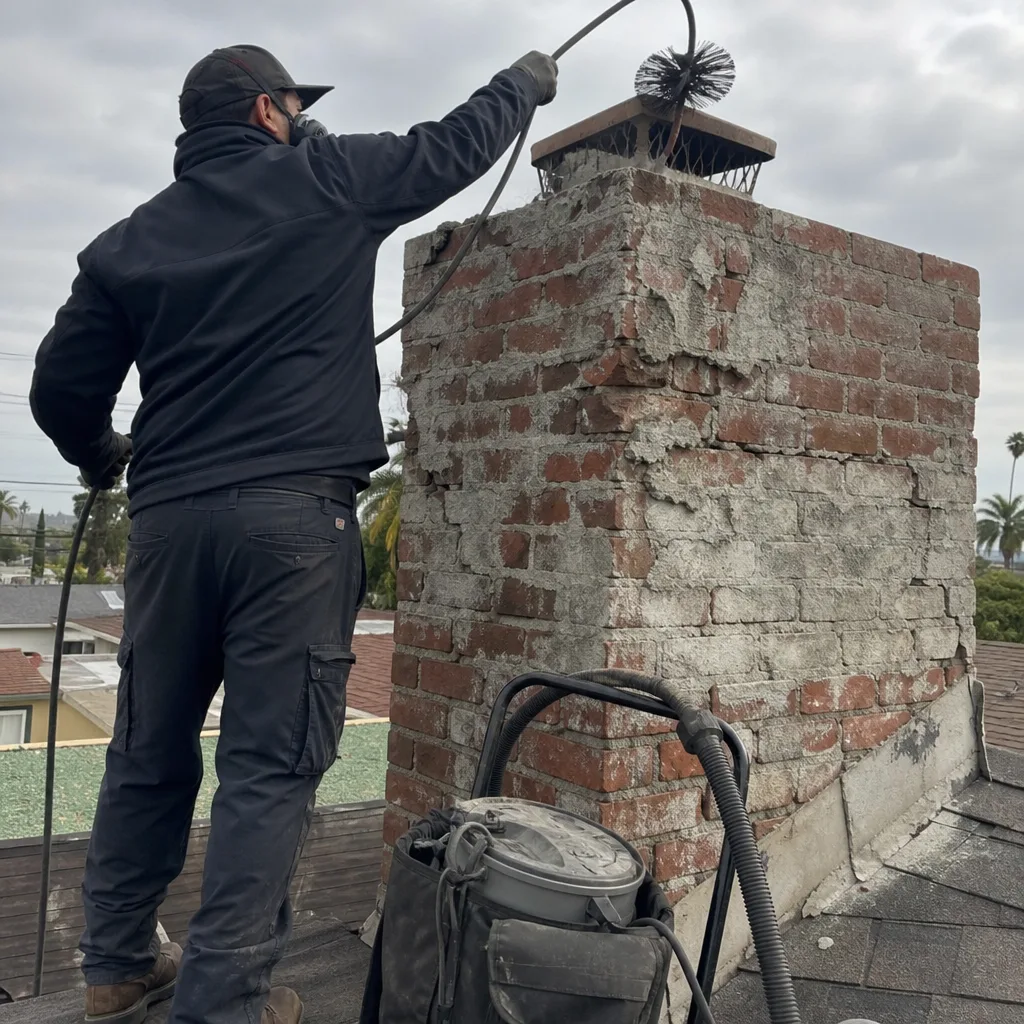 Before
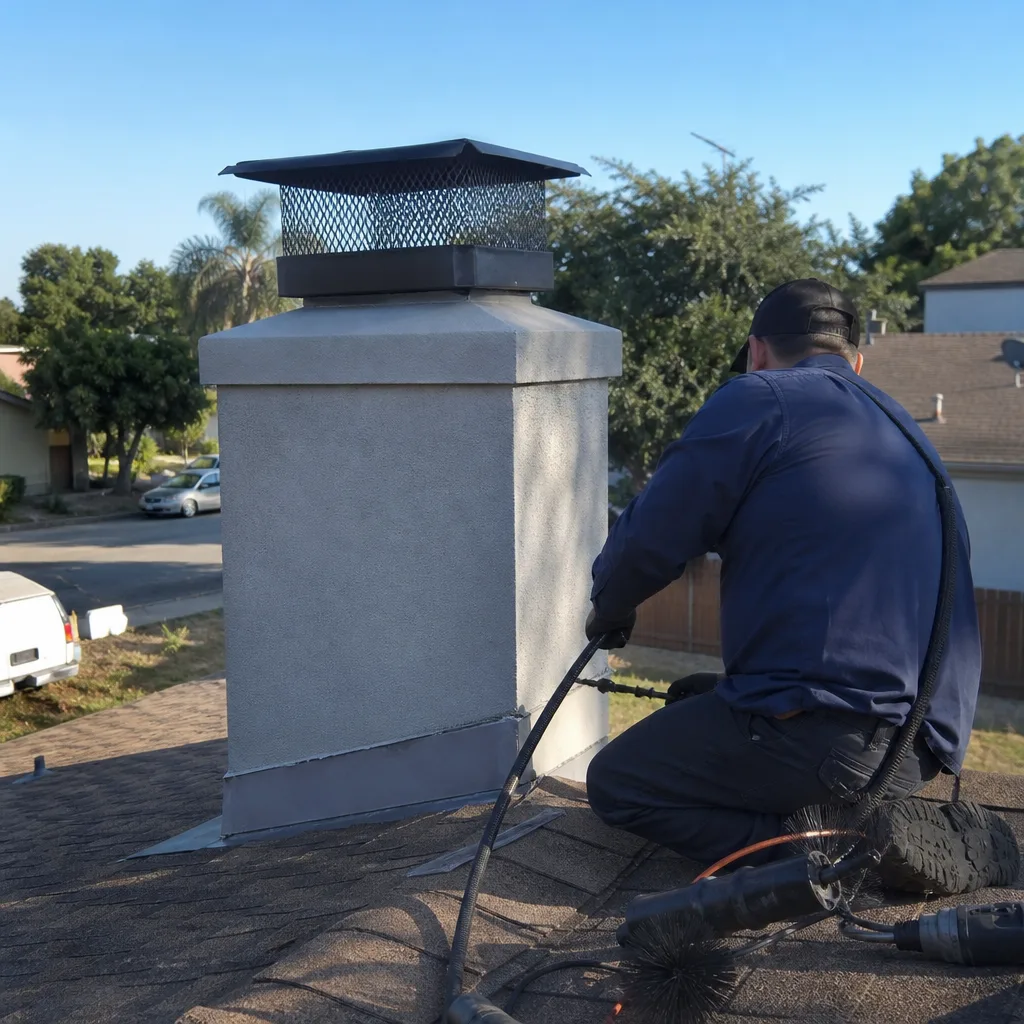 After
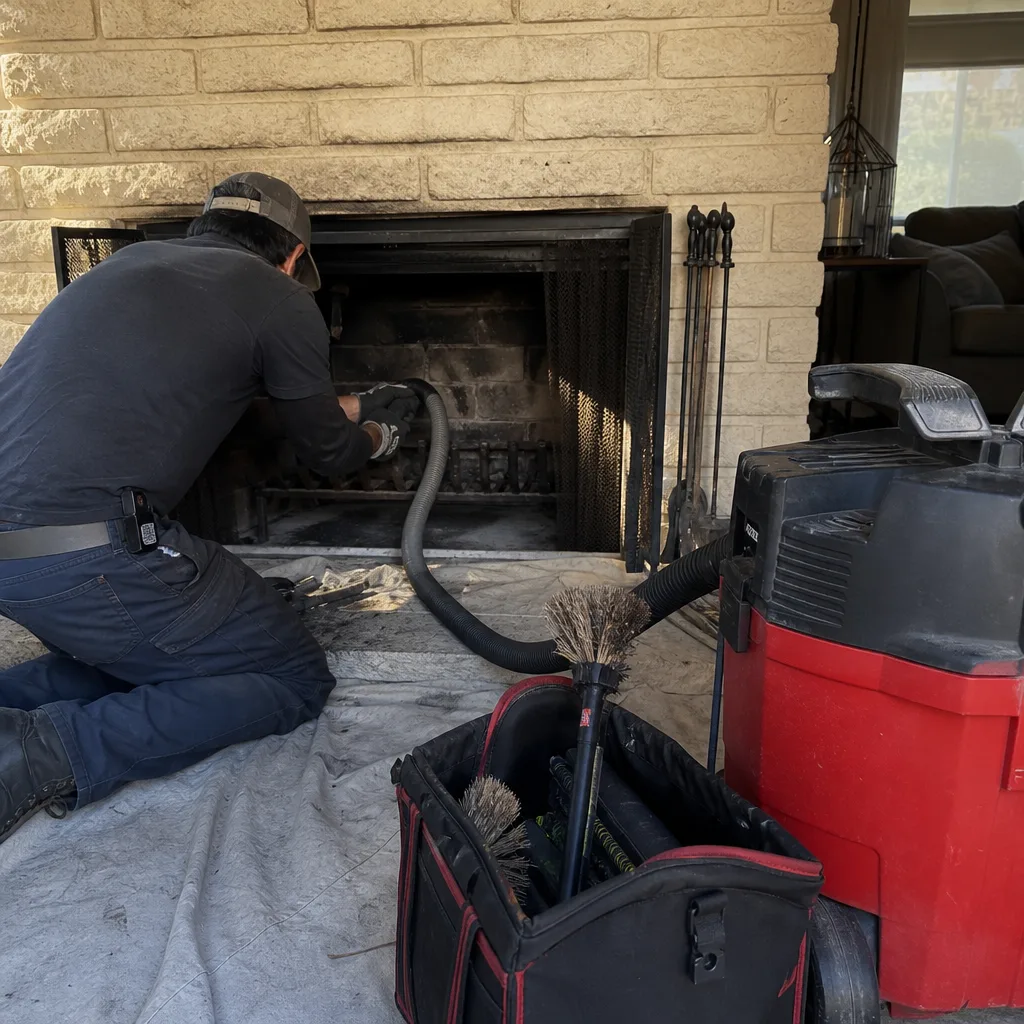 Before
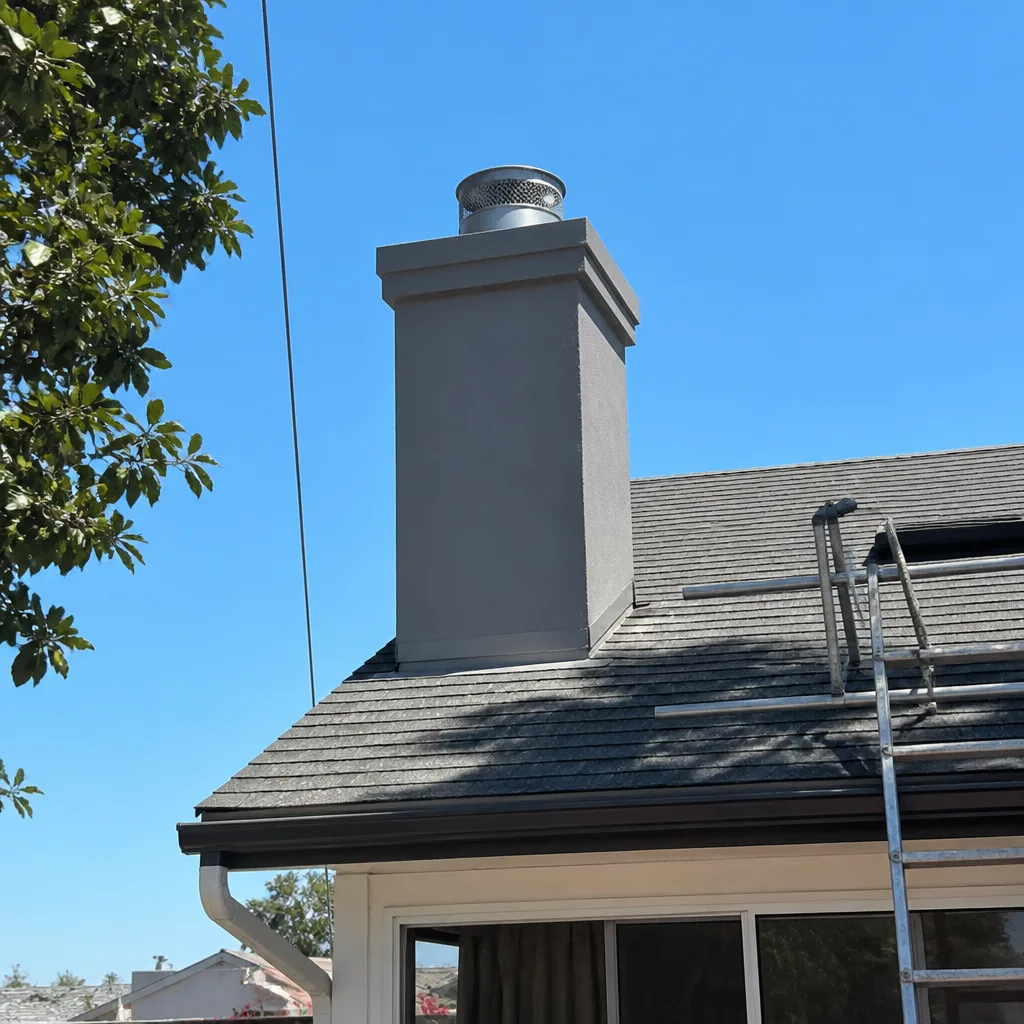 After
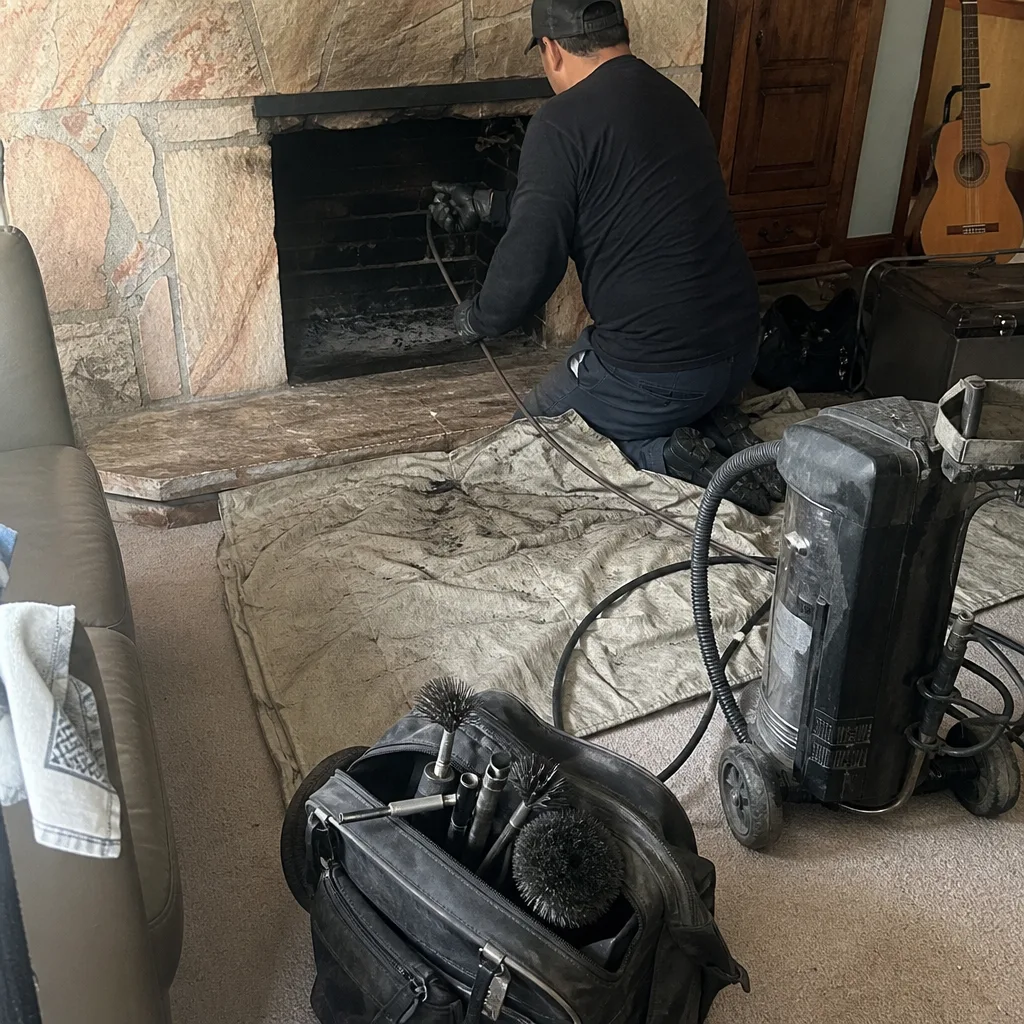 Before
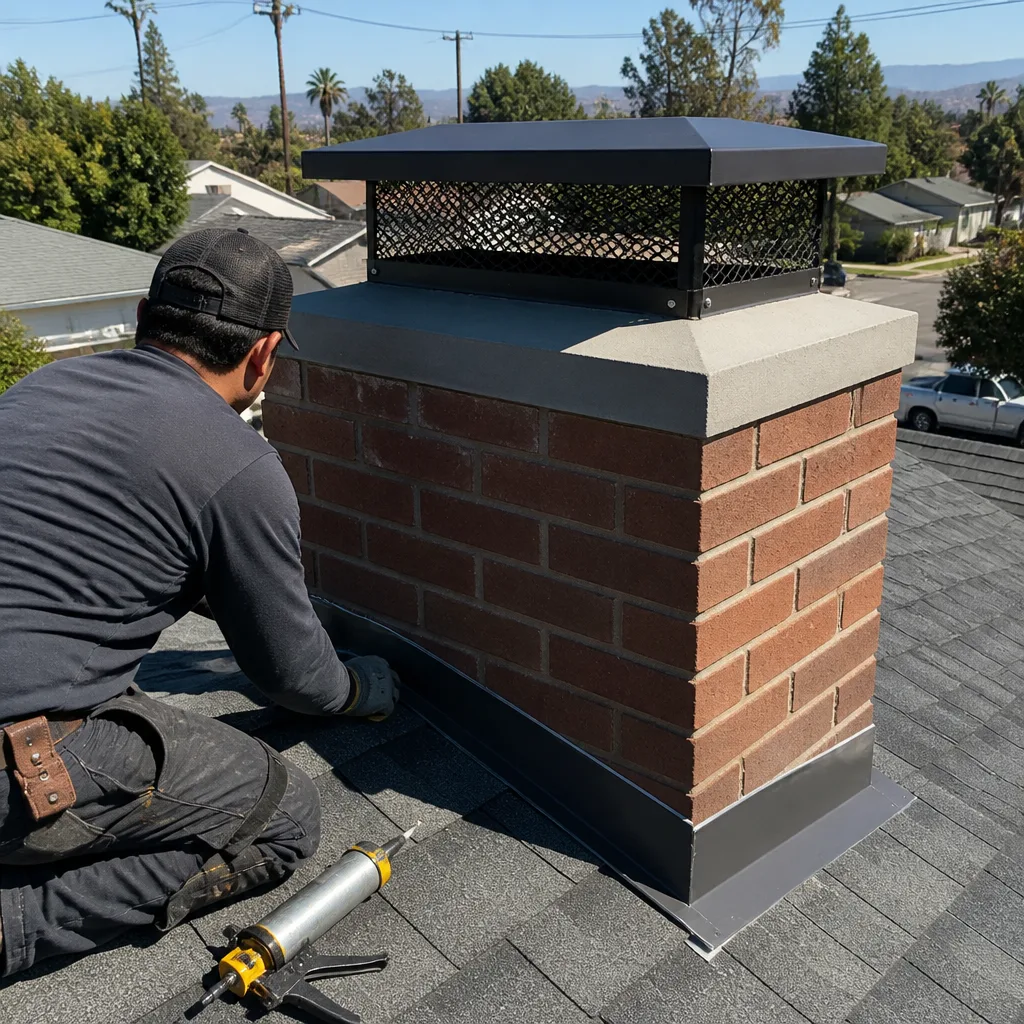 After