
Last updated October 31, 2026
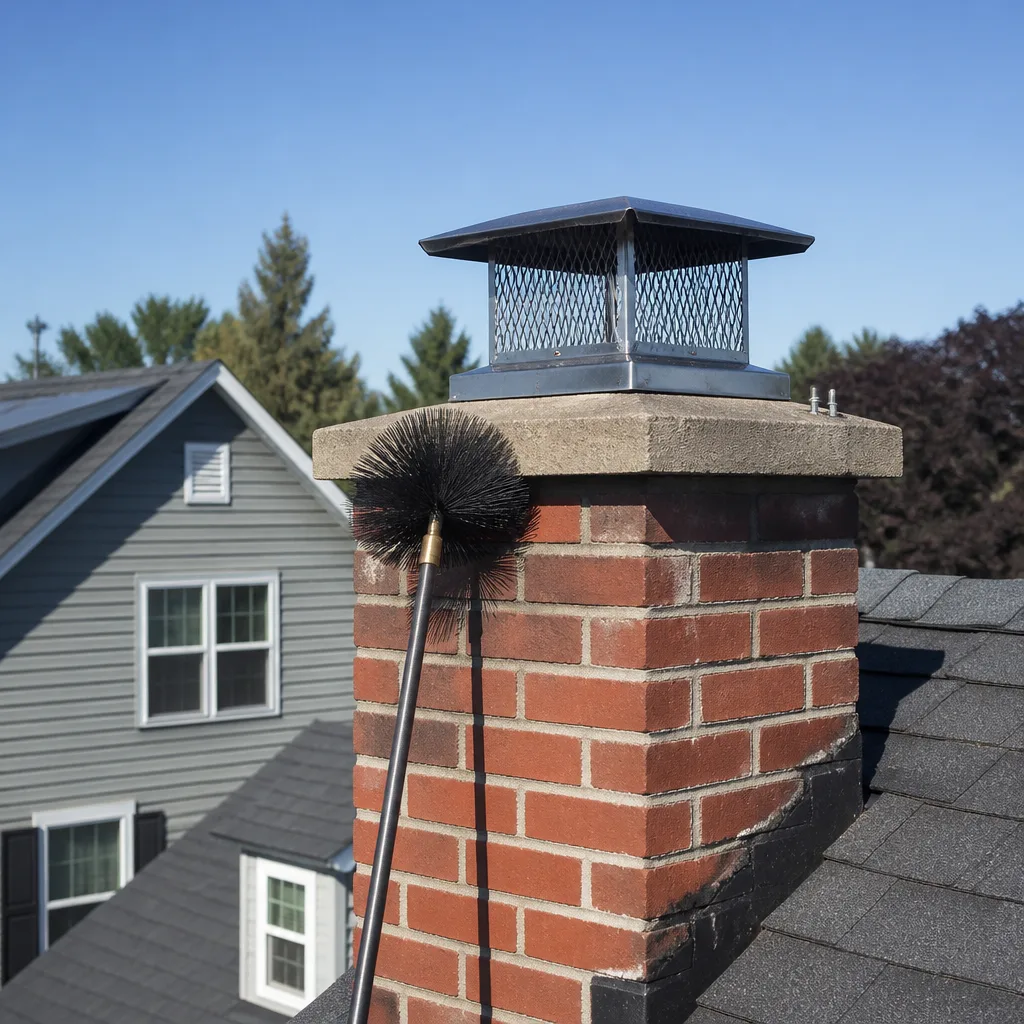 Sweep & inspection
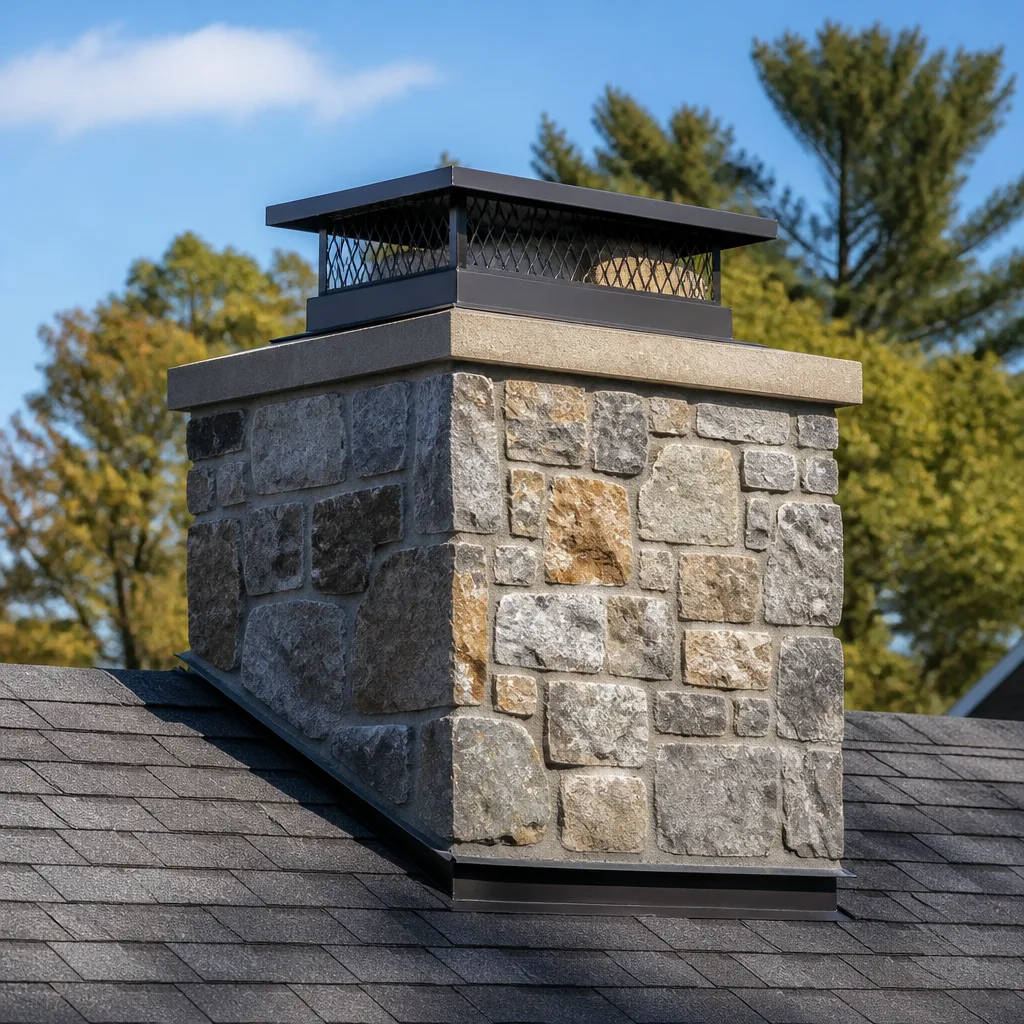 Caps & crowns
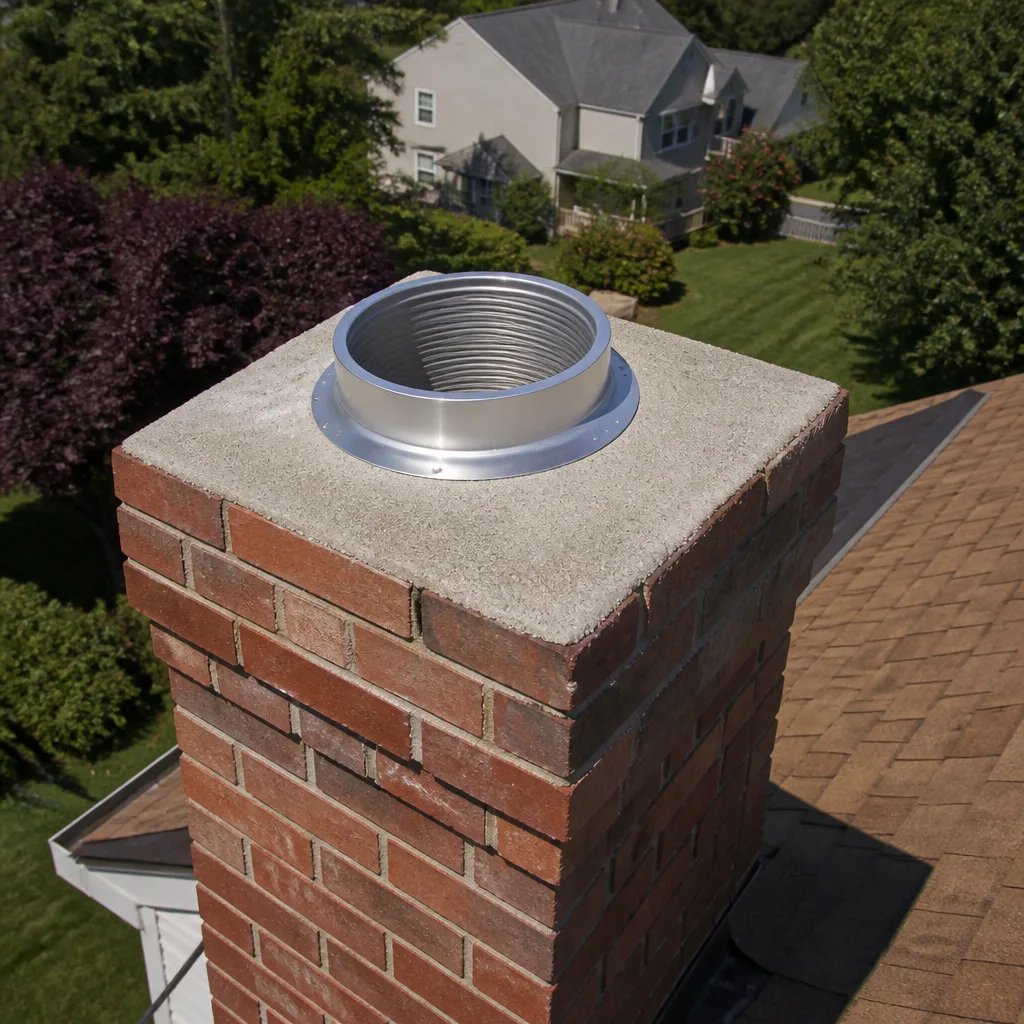 Flue relining
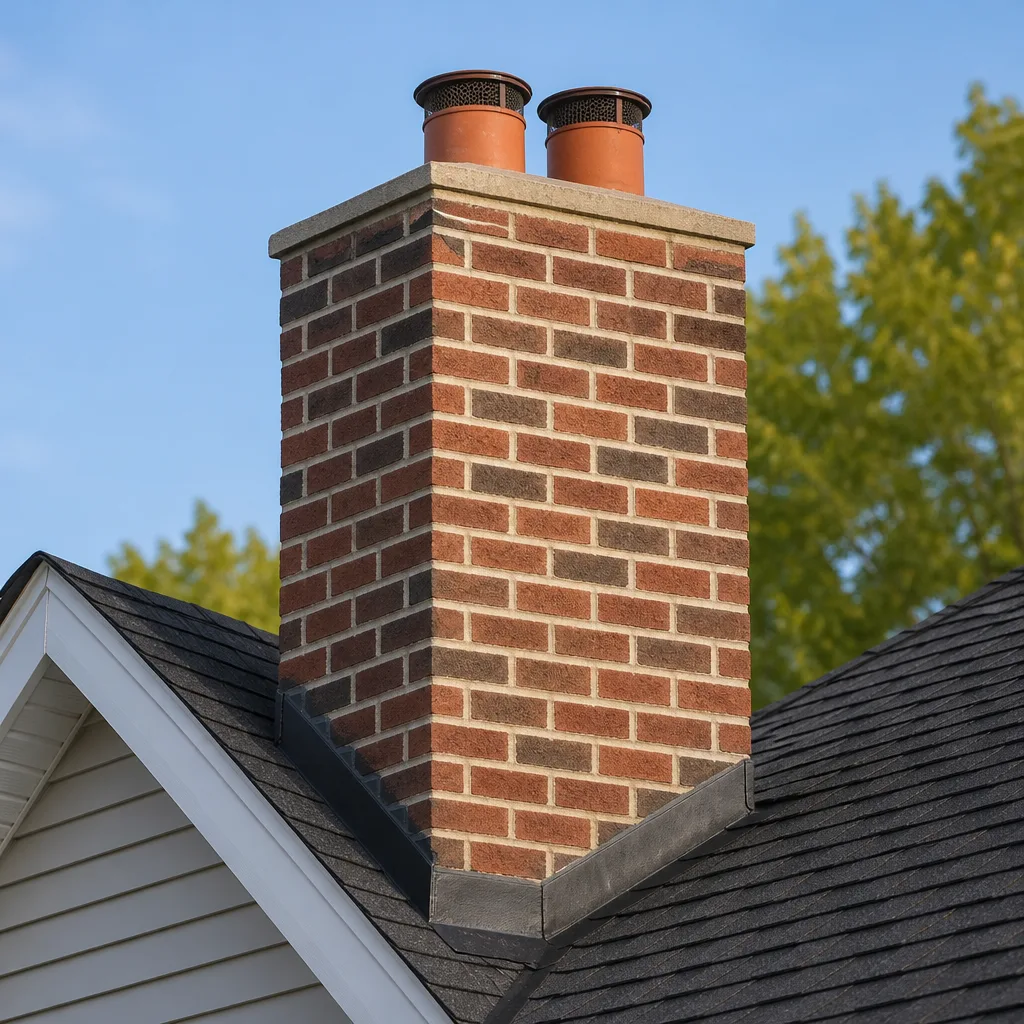 Masonry repair
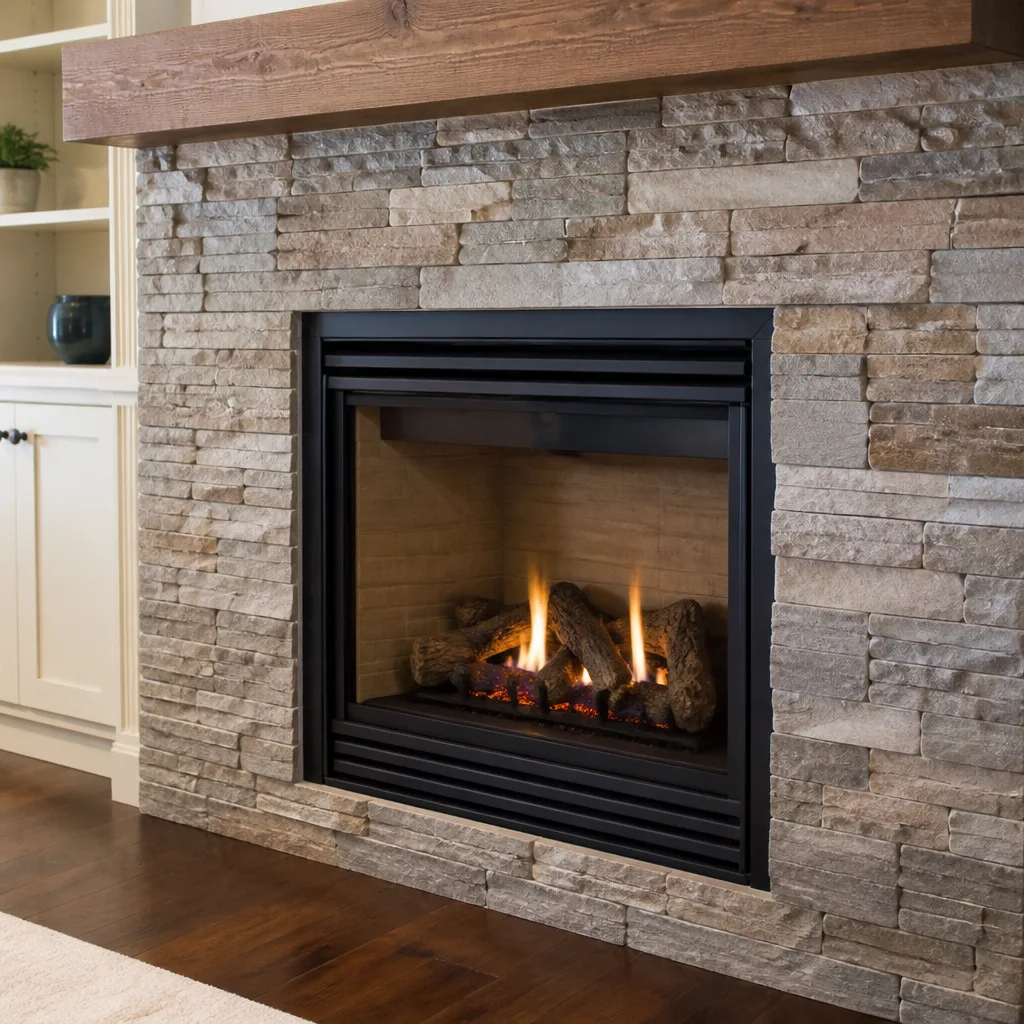 Gas fireplace service
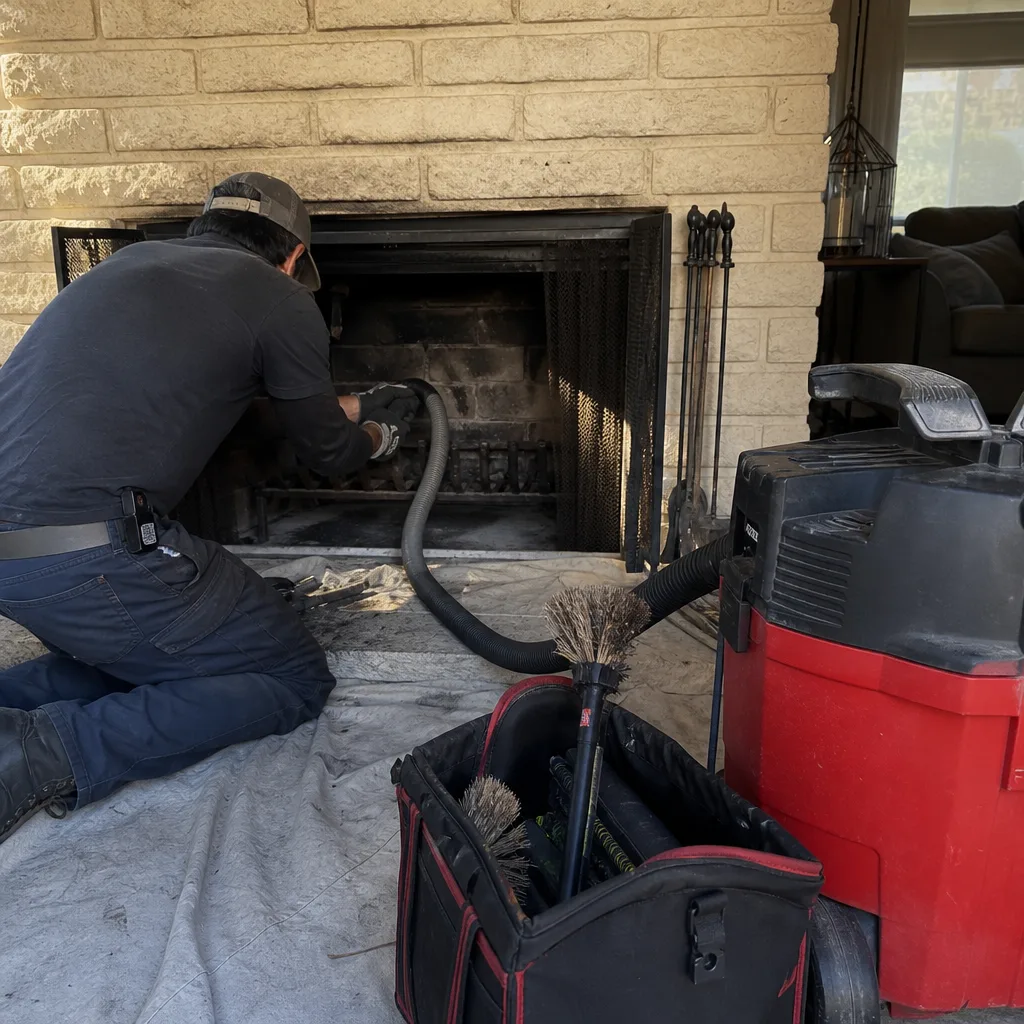
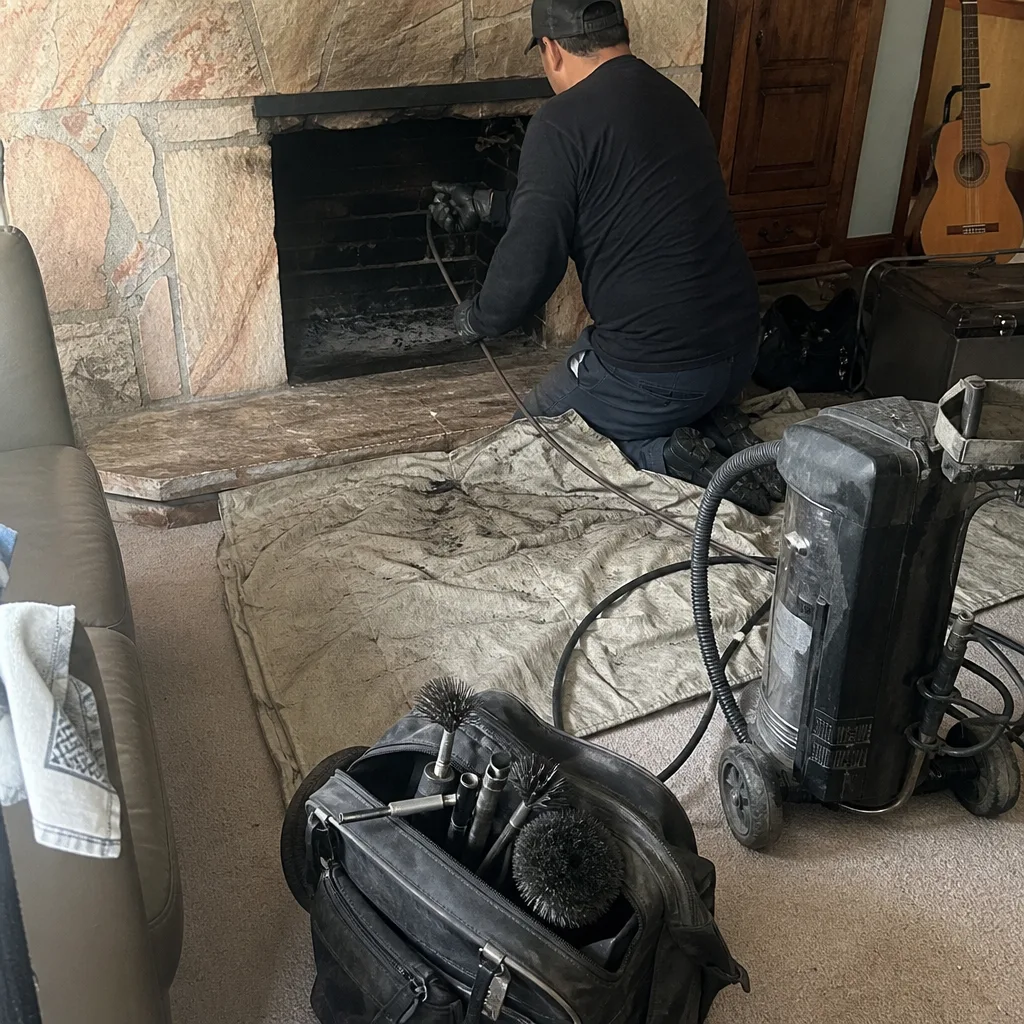
Level 1 sweep and inspection to the NFPA 211 annual standard - flue, crown, cap, and flashing checked and photographed
Chimney sweep logs do not sweep chimneys. They loosen some creosote - which then falls where a brush and vacuum still have to collect it.
Chimney Cleaning Permits, Codes & Inspections in CA: What You Need to Know
Here’s a stat that surprises most East Los Angeles homeowners: the chimney sweep itself is the only part of the process that never needs a permit. The cleaning, the brushing, the soot removal, the inspection camera work – all of that falls outside California’s permit requirements. But the repair work that a thorough cleaning almost always uncovers lives in a completely different legal universe. Flue resurfacing, liner replacement, firebox reconstruction – those trigger building permits, code compliance checks, and insurance documentation requirements that most people only learn about after the fact. This guide walks through exactly which authority governs which type of chimney work, what triggers a permit, what happens if you skip one, and how inspection paperwork protects your insurance claim after a fire. If you own a fireplace in Los Angeles County, this is the rulebook most contractors won’t hand you in writing.
Styles & brands we work with
Quick Answer
Chimney cleaning itself does not require a permit in California, but chimney repair work like liner replacement or flue resurfacing typically does, and is governed by a three-layer system: NFPA 211 for inspection standards, California Residential Code for construction requirements, and local fire district ordinances for wood-burning restrictions. Pull a permit for structural repairs, keep every inspection report, and verify your sweep’s level of inspection before you buy, sell, or file an insurance claim.
Table of Contents
- Who Governs What: NFPA 211, CBC, and Local Fire Districts
- Which Chimney Work Triggers a Permit in California
- NFPA 211 Inspection Levels: What Triggers Each One
- South Coast AQMD Rule 445 and What It Means for Your Fireplace
- How to Pull Your Home’s Chimney Permit History in LA County
- Why Insurance Adjusters Demand Inspection Documentation
- Common Mistakes to Avoid
- When to Call a Professional
- Frequently Asked Questions
Who Governs What: NFPA 211, CBC, and Local Fire Districts
California chimney regulation is a three-headed system, and each head controls a different slice of your fireplace’s life. Understanding which one applies to your situation is the difference between a legally sound repair and a paperwork mess that surfaces during escrow or after a claim.
NFPA 211 is the national standard for chimneys, fireplaces, and vents. It’s not a law by itself, but California has adopted it by reference into its code framework, which gives it legal force. NFPA 211 defines the three inspection levels (we’ll cover those shortly), sets clearance-to-combustibles requirements, and specifies construction standards for masonry and factory-built chimneys. When a chimney professional says something is “up to code,” they’re usually citing NFPA 211 as filtered through the California Residential Code.
California Residential Code (CRC) – specifically CRC Chapter 10, which covers chimneys and fireplaces – is what actually gets enforced by building departments. It tells you when a permit is required, what materials are acceptable, and what dimensions clearances must meet. In Los Angeles County, the Department of Building and Safety enforces CRC requirements locally. This is the layer that turns a recommendation into a legal obligation.
Local fire district ordinances sit on top. East Los Angeles falls under multiple overlapping jurisdictions depending on the exact street, but the practical upshot is that during Spare the Air days and high-pollution windows, local restrictions can prohibit wood burning entirely. The South Coast Air Quality Management District (South Coast AQMD) sets regional limits, and local fire departments enforce them. In practice, this means your chimney cleaning schedule isn’t just about creosote risk – it’s also about compliance with seasonal burn restrictions.
We see the confusion constantly in East Los Angeles homes. A homeowner gets a sweep, gets told they need liner work, gets the work done, and only later discovers the repair should have been permitted under CRC Chapter 10. By then, the fix is either costly or impossible to document retroactively. The system isn’t intuitive, but it’s navigable once you know which agency owns which piece.
Which Chimney Work Triggers a Permit in California
Here’s the clean answer, and it’s simpler than most people expect.
Work That Does NOT Require a Permit
- Chimney sweeping and creosote removal
- Chimney cap installation (unless it involves structural modification to the flue)
- Video camera inspection of the flue interior
- Minor masonry repointing that doesn’t alter the chimney’s structural dimensions
- Smoke chamber parging using a system like HeatShield that’s applied as a surface treatment, when the underlying structure remains intact
- Routine replacement of dampers, flue tile caps, or spark arrestors
Work That DOES Trigger a Permit in Los Angeles County
- Full flue relining, including installation of flexible liner systems like DuraFlex
- Masonry chimney rebuild (partial or full) above the roofline
- Firebox reconstruction, including new refractory panels or a rebuilt smoke shelf
- Changing the fuel type (converting a wood-burning fireplace to gas, for example)
- Structural alterations to the chimney chase or crown
- Installing a new fireplace or manufactured wood stove where none previously existed
The line that matters: if the work changes the structure of the chimney or the flue’s dimensions, permit it. If the work restores the existing structure to its original function without altering dimensions, you’re typically exempt. The California Residential Code Section R1001.2 is the specific provision that exempts “routine maintenance” from permits, but the moment a repair involves removing and replacing flue tiles or installing a new liner, it crosses into permit territory.
In East Los Angeles, where many homes date to the 1920s through 1950s, we regularly encounter chimneys that were built before modern code requirements even existed. That creates a gray area. A terra cotta flue liner from 1948 was not installed to any code that resembles today’s CRC Chapter 10, and repairing it often means bringing the entire assembly up to current standards. That’s not a bad thing – it’s a safety upgrade – but it does mean the permitting process is doing real work, not just generating paperwork. When we reline a chimney in East Los Angeles, we use DuraFlex flexible liner systems because they’re approved under UL 1777 and satisfy the CRC’s requirement that liners be listed and tested for the specific application.
NFPA 211 Inspection Levels: What Triggers Each One
Most homeowners think there’s one kind of chimney inspection – someone looks, says it’s fine or it’s not. NFPA 211 defines three levels, and each one is triggered by specific circumstances. Knowing which level applies to your situation protects you from paying for the wrong service and ensures the documentation you receive meets the legal threshold for your transaction or event.
Level 1 Inspection
This is the inspection that accompanies every routine chimney sweep. It covers the readily accessible portions of the chimney – the firebox, the damper, the visible flue interior, the exterior chimney above the roofline. No special equipment required. No removal of any part of the structure. This is what you get when you call a company for a standard chimney clean in East Los Angeles and nothing has changed since the last service. If the fireplace is used under the same conditions with the same fuel, a Level 1 is all code requires.
Level 2 Inspection
Level 2 kicks in under specific triggering events:
- Property is being sold or transferred
- A change is made to the heating appliance (new insert, new stove, fuel conversion)
- An event occurs that could have damaged the chimney – a chimney fire, a seismic event, a lightning strike, or a weather event like the high winds we get in the East Los Angeles hills
- After a malfunction of the appliance
A Level 2 inspection includes everything in Level 1 plus access to the attic, crawl space, and basement areas where the chimney penetrates, plus a video camera scan of the entire flue interior. This is the inspection that gets documented for real estate transactions and insurance claims. If you’re buying a home in East Los Angeles with a wood-burning fireplace, your real estate agent should be scheduling a Level 2 inspection before closing, not after.
Level 3 Inspection
Level 3 is reserved for cases where a Level 1 or Level 2 inspection has uncovered a suspected hazard that requires components of the chimney or building to be removed to evaluate. This could mean removing drywall, cutting into a chimney chase, or dismantling masonry. It’s rare, it’s invasive, and it’s only warranted when there’s evidence of combustion products leaking into the home or structural compromise that cannot be otherwise assessed. In our experience in East Los Angeles, Level 3 inspections usually follow an undisclosed chimney fire that damaged the flue behind finished walls.
The practical takeaway: before you buy or sell, before you switch to a wood stove insert, and after any significant earthquake, you need a Level 2 inspection at minimum. The documentation from that inspection is what insurance companies and building departments will ask for.
South Coast AQMD Rule 445 and What It Means for Your Fireplace
South Coast AQMD Rule 445 prohibits wood burning in most of Los Angeles County on days when fine particulate matter (PM2.5) levels are forecast to exceed federal health standards. These are the days you’ll see “No-Burn Day” alerts, and they apply to East Los Angeles homes just like everywhere else in the basin. The rule covers wood-burning fireplaces, wood stoves, and outdoor wood-burning fire pits during the winter months when inversion layers trap pollution close to the ground.
How does this affect your cleaning schedule? Two ways. First, if you’re burning less because of No-Burn Day restrictions, your creosote accumulation rate changes. Many East Los Angeles homeowners assume fewer fires means less buildup, which is true in absolute terms, but the character of the buildup changes too. Short, hot fires burn cleaner than long, smoldering ones, but if you’re squeezing fires into the windows between No-Burn Days, you may unintentionally be burning wetter wood or building fires differently. The result can be glaze-level creosote formation even with fewer total fires.
Second, Rule 445 enforcement means documentation matters more, not less. If you’re burning during permitted windows and something goes wrong – a chimney fire, a smoke incident, a carbon monoxide alarm – the investigating agency will want to see evidence that the fireplace was properly maintained. A swept-and-inspected chimney with documentation is a very different conversation than an undocumented one. We frame cleaning frequency for East Los Angeles clients around actual burn habits, not a generic calendar. For most wood-burning households in the area, an annual sweep combined with a Level 1 inspection satisfies both NFPA 211 guidance and practical safety. Households that burn frequently during the winter, especially with softwoods or less-seasoned wood, may need cleaning twice per season.
Rule 445 also has an exemption for households where wood burning is the sole source of heat, which applies to some older East Los Angeles homes in the hills that rely on wood stoves. If that’s your situation, the exemption strengthens the case for keeping impeccable maintenance records. The last thing you want is to be exempt from the burn restrictions but unable to prove your chimney is safe to operate.
How to Pull Your Home’s Chimney Permit History in LA County
Before you buy a house with a fireplace, before you sell one, and before you sink money into a repair, you can pull the chimney’s permit history yourself. The LA County Department of Building and Safety maintains an online portal (the Epic LA portal) that allows property owners and prospective buyers to search permit records by address. Here’s the process:
- Go to the LA County Building and Safety website and navigate to the “Permit Records” or “Epic LA” search tool
- Enter the property address. For East Los Angeles homes, use the unincorporated LA County portal if your address is not within a city that has its own building department
- Review the returned records for any permits referencing “chimney,” “fireplace,” “flue,” “liner,” or “solid fuel appliance”
- If no permits appear, that doesn’t necessarily mean no work was done. It means no work was permitted. Unpermitted chimney repairs are common in older housing stock, and their absence from the record is itself information
- Request copies of any chimney-related permits, including the final inspection sign-off. This is what a buyer’s home inspector, an insurance adjuster, or a building department will want to see
In East Los Angeles, where the housing stock includes a large share of pre-1960 construction, permit gaps are extremely common. A fireplace that was built when the home was constructed in 1947 may have had a liner “replaced” in 1985 with no record, a firebox “repaired” in 2003 with no record, and a cap “installed” in 2015 with no record. None of that work is necessarily unsafe. But it’s all undocumented, which creates a problem when you try to sell, refinance, or file a claim. Our recommendation for anyone buying in East Los Angeles: pull the permit history early, and if it’s empty or spotty, schedule a Level 2 inspection before closing. The inspection report fills the documentation gap for insurance purposes, even if the historical permits don’t exist.
If you’re the seller, the same advice applies in reverse. Getting a Level 2 inspection and addressing any documented deficiencies before listing your East Los Angeles home removes one of the most common deal-killers in escrow: the fireplace section of the home inspection report.
Why Insurance Adjusters Demand Inspection Documentation
When a chimney fire happens, the insurance claims process runs on a specific question: was the fireplace properly maintained? If the answer is yes, and you can prove it, the claim proceeds normally. If the answer is no, or if you can’t prove it, the adjuster has grounds to deny coverage on the basis of owner negligence. This is not a scare tactic – it’s written into most standard homeowners policies, which require reasonable maintenance of all heat-producing systems.
The documentation that matters:
- Sweep receipts and invoices. Every cleaning should produce a dated invoice that states what was done and what was found. In East Los Angeles, keep these in a dedicated folder, digital or physical, and never throw them out when you move.
- Inspection reports with video. A Level 2 inspection report that includes camera footage of the flue interior is the strongest evidence that the chimney was in sound condition at the time of inspection. If a fire happens later, this is your baseline.
- Repair documentation that specifies products used. If you had a liner replaced, keep the record of what product was installed. A chimney relined with a HeatShield resurfacing system or a DuraFlex flexible liner should generate paperwork that names the product, the installer, and the date. This matches the chimney to a specific, code-listed material, which is exactly what an adjuster or a building inspector wants to see.
- Permit sign-off records. For any work that required a permit, the final inspection approval is considered proof that the work met code at the time it was done.
What almost always fails in these situations is the homeowner who got a chimney swept by a friend’s handyman, paid cash, got no receipt, and has no paper trail. That’s the scenario where an otherwise-covered chimney fire turns into a contested claim. This is also why Hickory Chimney Sweep includes a documented inspection with every sweep in the East Los Angeles area – the paper trail protects you whether or not you ever need to make a claim.
Common Mistakes to Avoid
- Skipping the permit on liner work. A full liner replacement using a system like DuraFlex is a permit-required alteration under CRC Chapter 10. Doing it unpermitted may save a few hundred dollars in the moment, but it creates a disclosure problem when you sell and a proof problem if you claim. Pull the permit.
- Assuming a home inspection equals a chimney inspection. A standard home inspection includes a visual look at the fireplace from inside the house. That’s not a Level 2 inspection, and it doesn’t satisfy real estate disclosure or insurance documentation standards. If the fireplace matters, get the chimney inspected by a chimney professional, not just the generalist.
- Ignoring No-Burn Day alerts and burning anyway. South Coast AQMD Rule 445 has teeth, and violations can result in fines. More importantly, burning during a No-Burn Day is the kind of behavior that makes an insurance adjuster’s job easy after an incident. Burn when permitted, and document your maintenance.
- Paying for a Level 2 inspection when a Level 1 is sufficient. Not every situation requires a camera scan. If nothing has changed and the chimney is used under the same conditions, a Level 1 inspection during your annual sweep is what code calls for. Save the Level 2 for transactions, appliance changes, and post-event situations.
- Confusing chimney sweeping with chimney repair. A sweep removes creosote and identifies problems. It does not fix them. In East Los Angeles, where many chimneys are 50 to 80 years old, the sweep almost always uncovers at least one item that needs follow-up. Budget for that reality, and address repair findings with the same documentation discipline you apply to the cleaning itself.
- Storing firewood against the house or near the firebox in older East Los Angeles homes. This isn’t code-specific, but it’s a fire-loading issue that compounds chimney risks. Keep wood storage clean, dry, and separated from the structure. The chimney is the heat source – don’t feed it from within your own walls.
If you’re in East Los Angeles and want a second opinion on whether your chimney needs permitted work or just a thorough clean, our Chimney Repair in South San Gabriel team handles the full scope from code assessments through permitted installations.
When to Call a Professional
Call a chimney professional when any of these situations apply: you’ve lived in the home more than a year without a documented inspection; you’re buying or selling and need a Level 2 inspection; you’ve had a chimney fire or near-miss; you’ve converted your fireplace from wood to gas; you smell smoke inside the house during operation; or you see cracks, spalling, or missing mortar on the exterior chimney. These situations are not DIY territory. The stakes include your home’s structure, your family’s safety, and your ability to collect on insurance if something goes wrong. Hickory Chimney Sweep offers free estimates in East Los Angeles and provides chimney sweep services in South San Gabriel and throughout the surrounding area. Call (855) 554-2841 for a free estimate.
Frequently Asked Questions
No. Chimney cleaning, sweeping, and routine maintenance do not require a building permit anywhere in California. Permit requirements only attach when the work modifies the structure, such as flue relining, firebox reconstruction, or chimney rebuilds.
A No-Burn Day is a declaration by South Coast AQMD under Rule 445 that prohibits wood burning in fireplaces, wood stoves, and outdoor fire pits due to elevated fine particulate matter levels. These days occur primarily from November through February. Burning during a No-Burn Day can trigger fines and complicates any subsequent insurance claim.
You need a Level 2 inspection when a triggering event occurs: property sale or transfer, appliance or fuel type change, seismic activity, a chimney fire, or a weather event that could have damaged the chimney. A Level 2 inspection includes a video camera scan of the flue interior and access to attic and crawl space areas.
Most wood-burning households in East Los Angeles need an annual sweep combined with a Level 1 inspection. Homes that burn frequently during the permitted winter windows, especially with softwoods or partially seasoned wood, may need a second cleaning mid-season. The governing standard is NFPA 211, which calls for cleaning when creosote accumulation reaches 1/8 inch or more.
Yes. The LA County Building and Safety online portal allows property owners and prospective buyers to search permit records by address. Look for any permits referencing chimney, fireplace, flue, or solid fuel appliance work. If the records are empty and the home is older, schedule a Level 2 inspection to establish a documentation baseline.
We do both, and we do them under one roof. Hickory Chimney Sweep handles Chimney Sweep in South San Gabriel cleaning, chimney repair including liner work with HeatShield resurfacing and DuraFlex flexible liner systems, and Dryer Vent Cleaning in South San Gabriel for complete fire-safety coverage. One call covers both chimney and dryer vent maintenance. Call (855) 554-2841 to schedule.
The Bottom Line
Chimney cleaning itself doesn’t require a permit in California, and that’s about the only simple thing in this whole subject. The moment repair work enters the picture, you’re operating under a three-layer framework: NFPA 211 for inspection standards, California Residential Code Chapter 10 for building requirements, and South Coast AQMD Rule 445 for burn restrictions. The homeowners who stay out of trouble are the ones who document everything: every sweep, every inspection, every repair, every permit. If you want a comprehensive resource for your home’s fire safety, start with the Hickory Chimney Sweep home page. We serve East Los Angeles and the surrounding area with chimney cleaning, repair, and dryer vent services under one roof. Call (855) 554-2841 for a free estimate, and keep your paperwork clean alongside your flue.
Written by the team at Hickory Chimney Sweep, serving East Los Angeles since 2013.
See the difference
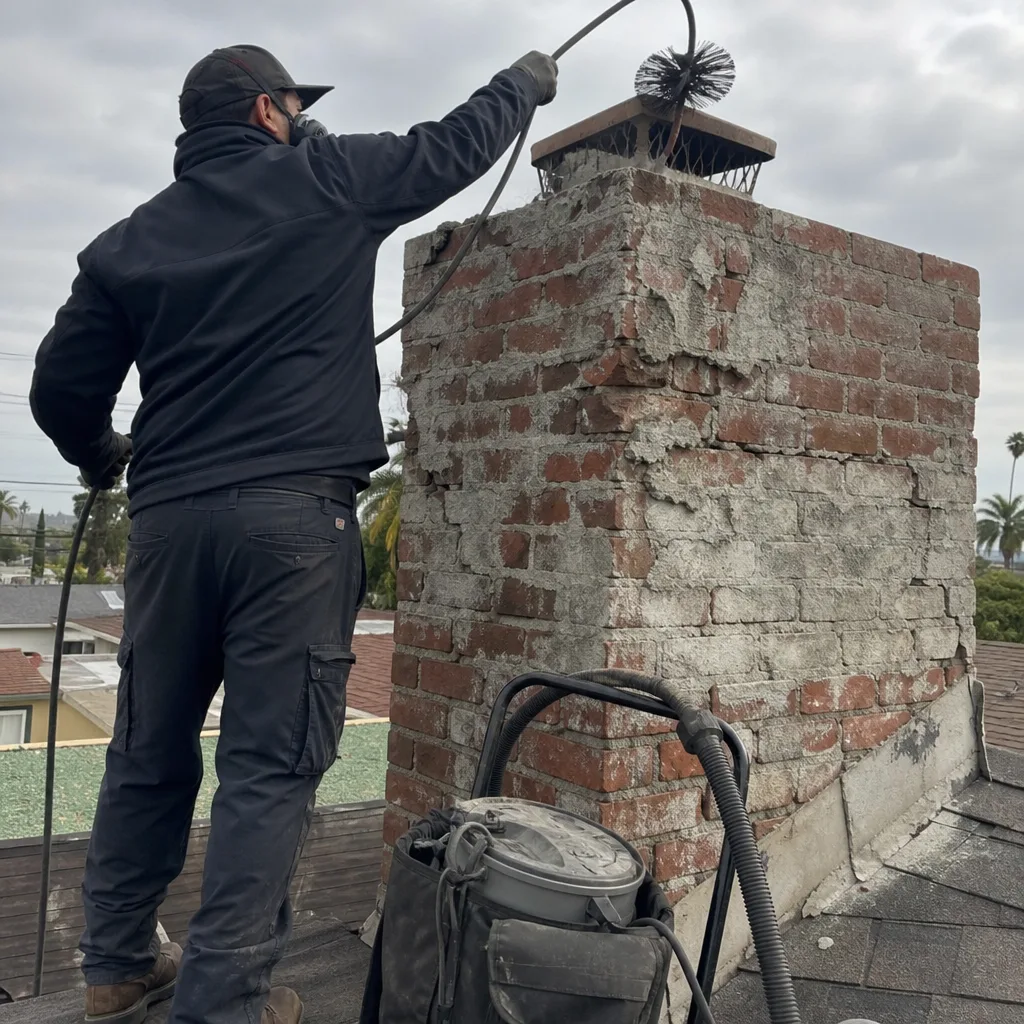 Before
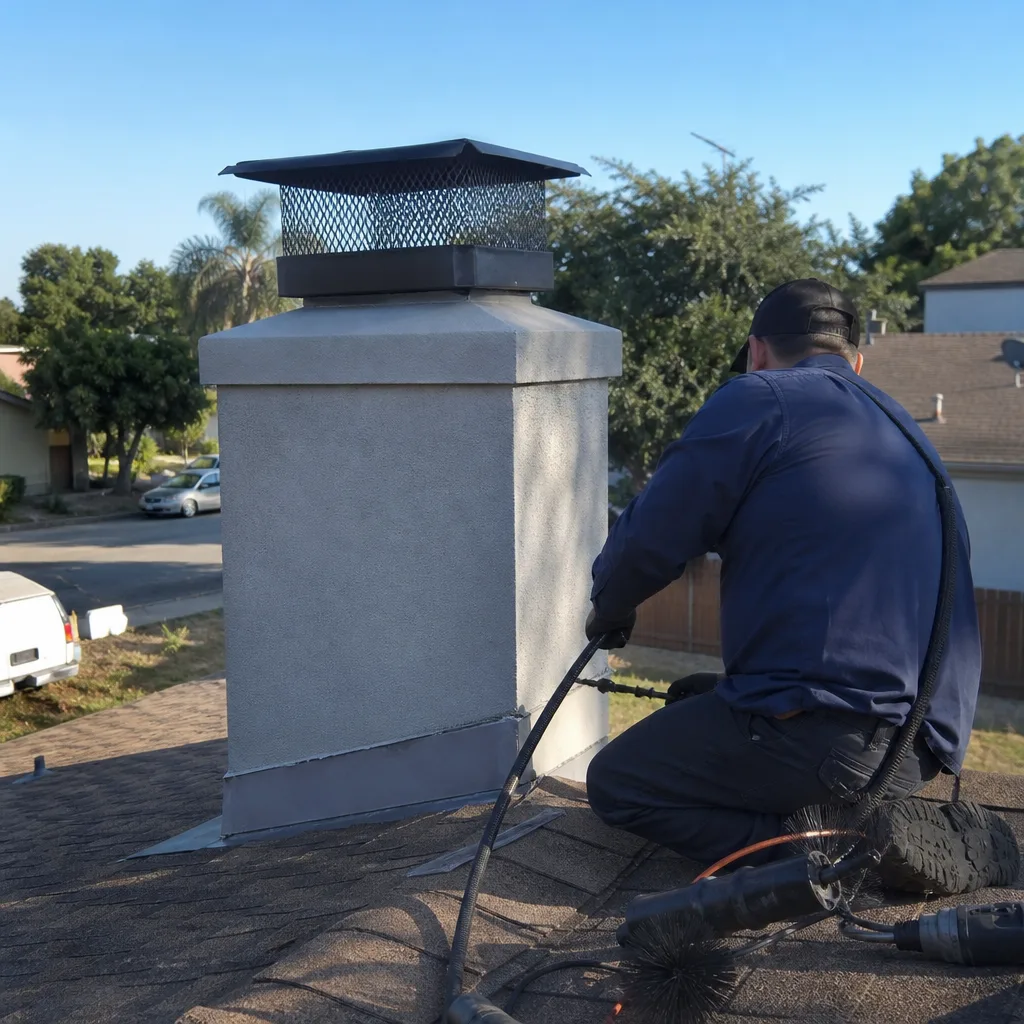 After
 Before
 After
 Before
 After