
Last updated October 31, 2026
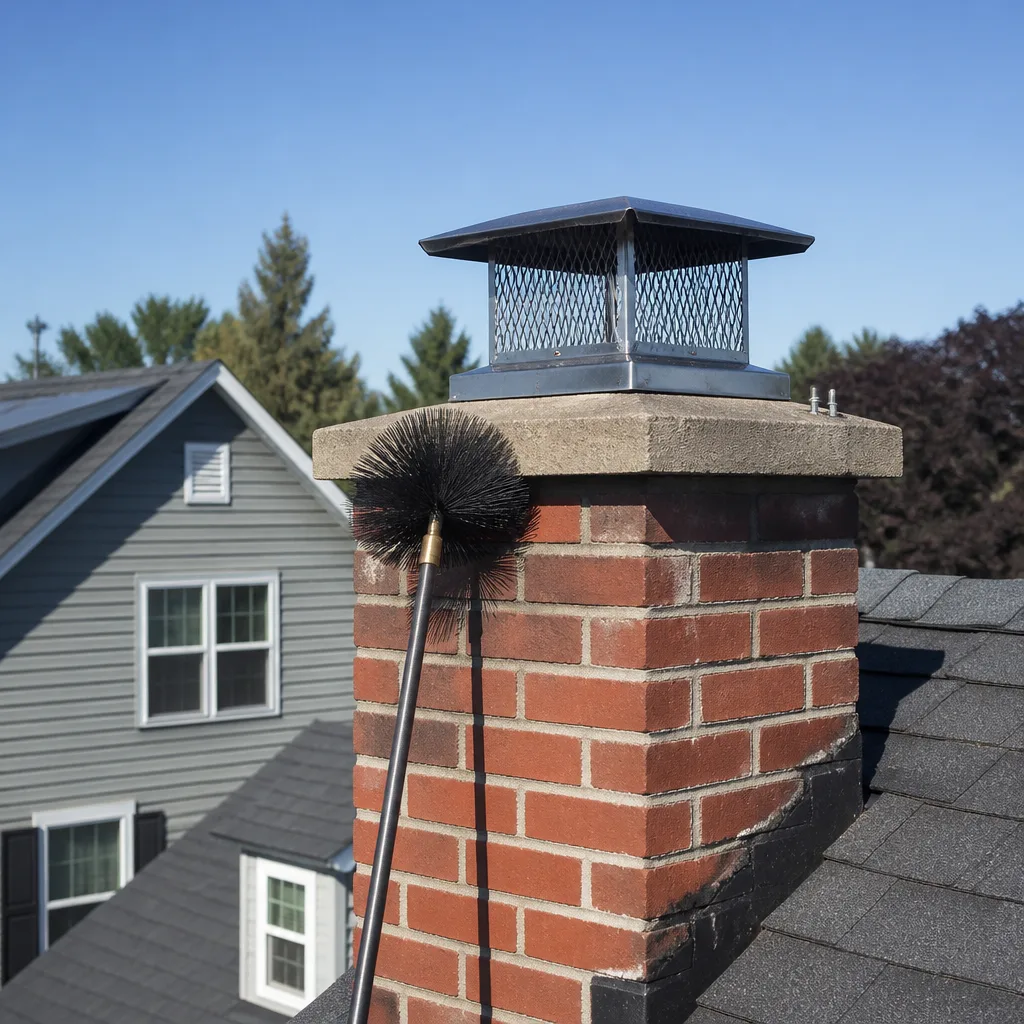 Sweep & inspection
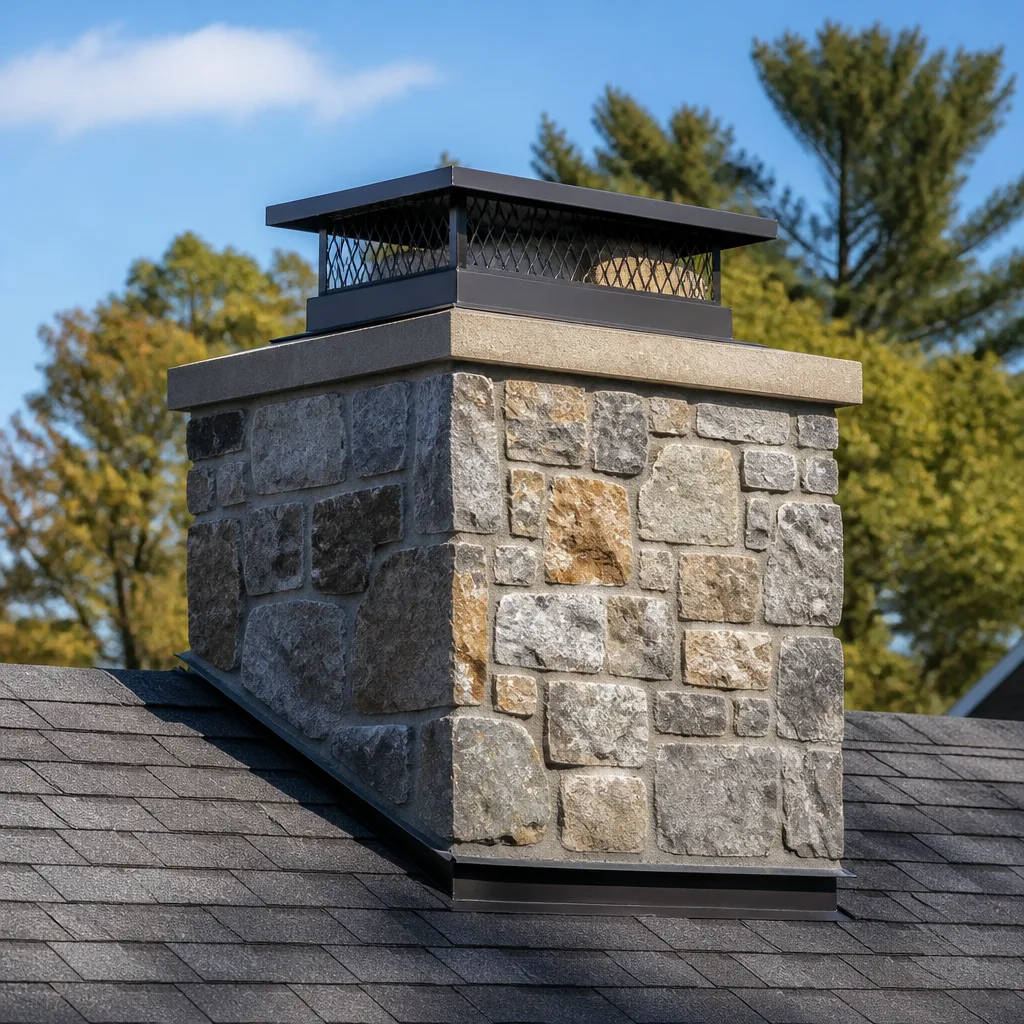 Caps & crowns
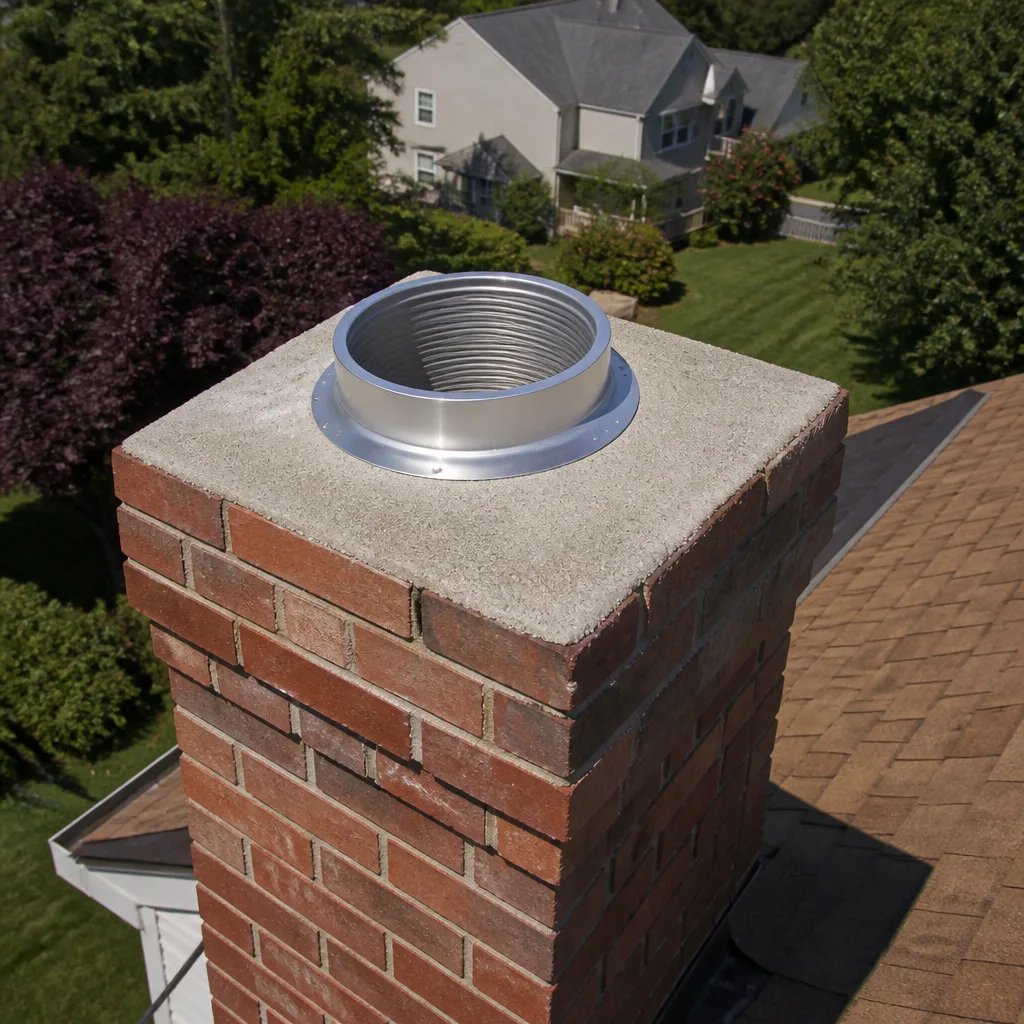 Flue relining
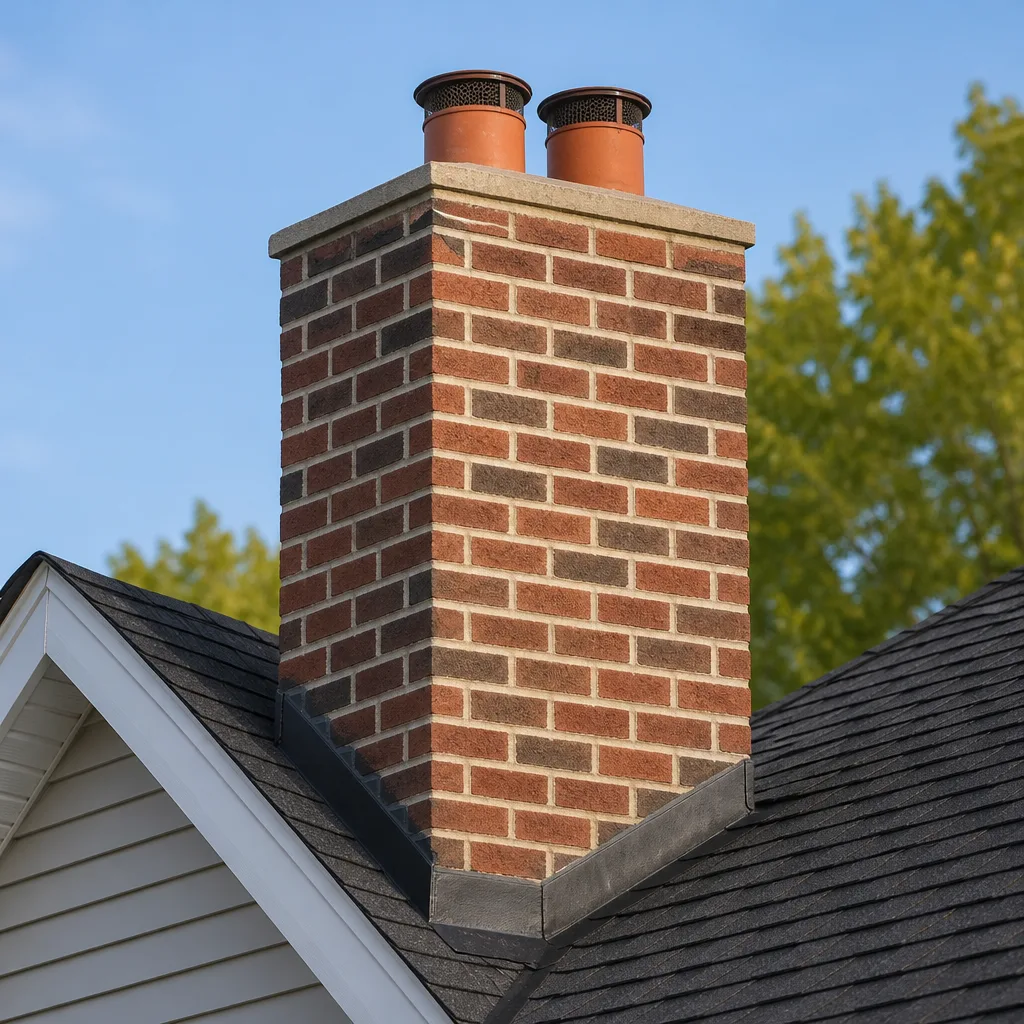 Masonry repair
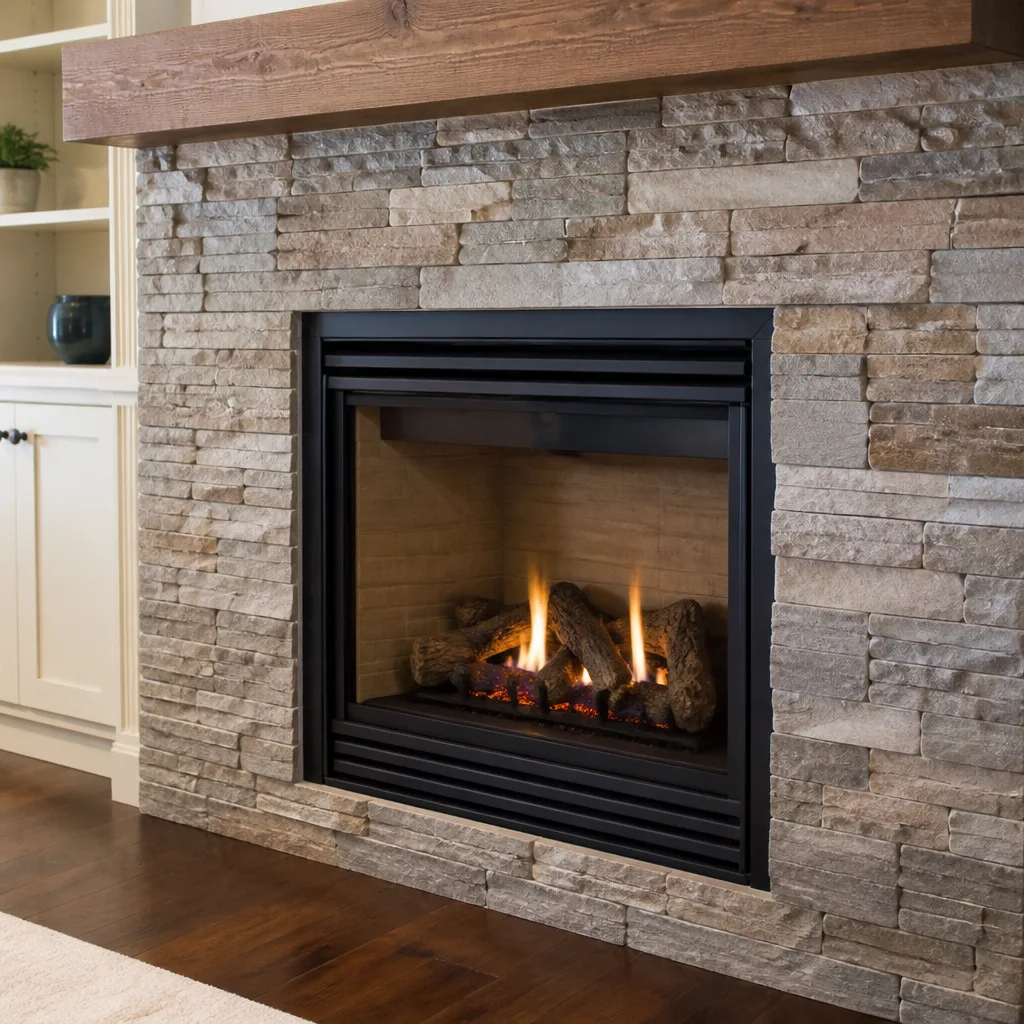 Gas fireplace service
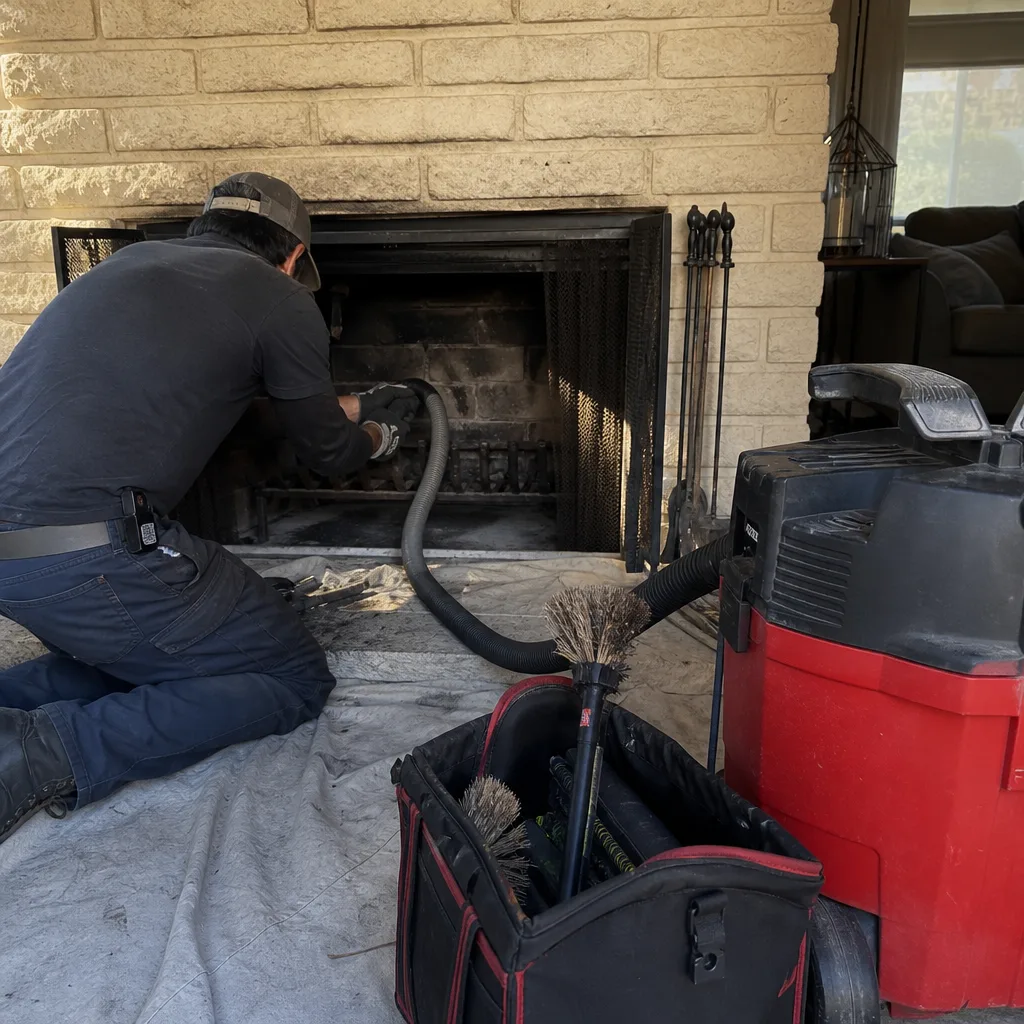
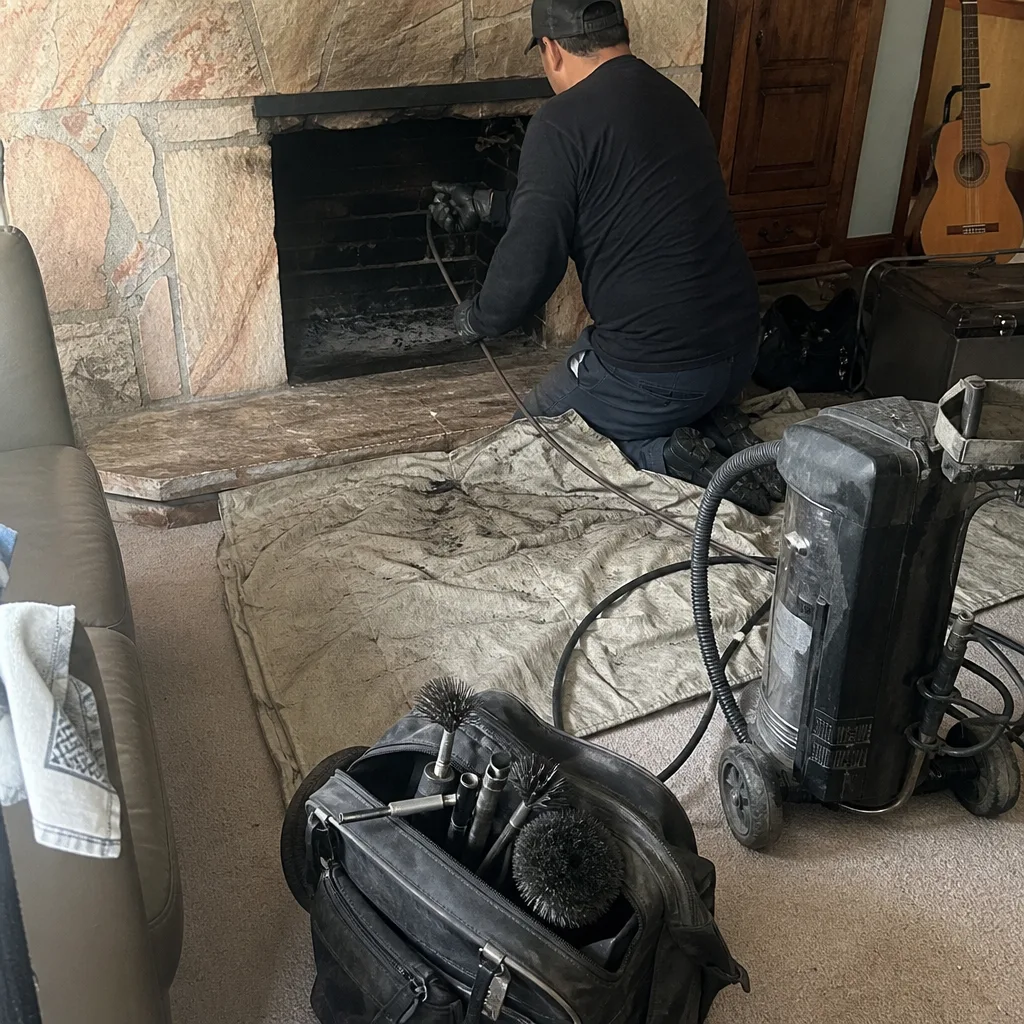
Level 1 sweep and inspection to the NFPA 211 annual standard - flue, crown, cap, and flashing checked and photographed
Chimney sweep logs do not sweep chimneys. They loosen some creosote - which then falls where a brush and vacuum still have to collect it.
Chimney Cleaning Emergency Preparedness Guide for East Los Angeles Homes
The Santa Ana winds howl through the San Gabriel Valley each fall, dragging dry desert air across East Los Angeles and turning every neighborhood from Boyle Heights to El Sereno into kindling. We have watched homeowners prepare for earthquake kits and wildfire go-bags, yet stand completely unprepared for the emergency that starts inside their own living room. A chimney fire during a Red Flag Warning is not just a house fire risk. It is a neighborhood ignition source, and knowing what to do in the first 90 seconds changes whether you are dealing with a smoldering flue or a fully involved structure fire. This guide walks through the exact sequence: what to do during a chimney fire, how to spot one before it escalates, why East Los Angeles weather patterns make this a distinct risk, and what happens after the trucks leave. For more on warning signs, see our Chimney Cleaning Warning Signs: A East Los Angeles Homeowner’s Reference Guide.
Styles & brands we work with
Quick Answer
Chimney fire emergency preparedness for East Los Angeles homes means having a pre-rehearsed three-step response: close the damper to cut oxygen, call 911 immediately, and evacuate everyone from the house. A chimney fire during Santa Ana wind conditions escalates faster than a typical flue fire because wind-driven pressure differentials pull air through the chimney with unusual force, and embers ejected from the top can travel far enough to ignite neighboring properties. The single most important pre-emergency investment is a professionally installed, code-compliant flue liner, because an intact liner is what contains a chimney fire long enough for firefighters to arrive.
Table of Contents
- The First 90 Seconds: What To Do When a Chimney Fire Starts
- How to Identify a Chimney Fire That Started Quietly
- Santa Ana Wind Season Protocol for East Los Angeles Homes
- Why Your Flue Liner Determines Fire Containment
- Post-Emergency Steps: Inspection, Documentation, and Insurance
- The East Los Angeles Chimney Fire Prevention Plan
- The Dryer Vent Connection: The Other Fire Hazard in Your Home
- Common Mistakes to Avoid
- When to Call a Professional
- Frequently Asked Questions
The First 90 Seconds: What To Do When a Chimney Fire Starts
A chimney fire sounds like a freight train. That is the description we hear over and over from East Los Angeles homeowners who have been through one, and it is accurate. The roar comes from air being pulled through a restricted flue opening at high velocity while creosote burns at temperatures that can exceed 2,000 degrees Fahrenheit. What you do in the next minute and a half determines whether your home survives structurally intact or sustains damage that costs tens of thousands to repair.
Here is the sequence we teach every customer, and the reasoning behind each step:
- Close the damper completely. This cuts the oxygen supply to the firebox and slows the burn. Do not open the fireplace doors. Do not try to look inside. A sudden rush of oxygen into a superheated firebox can cause a backdraft that sends flames and embers into the room.
- Call 911 from outside the house. You can call from inside if you are still there, but get everyone moving toward the door while you do. Tell the dispatcher it is a chimney fire, not a routine fireplace issue. That distinction matters because chimney fires can run for hours inside the flue even after the visible flames in the firebox are out.
- Evacuate everyone, including pets. Do not go back for belongings. The house is not necessarily lost, but a chimney fire can spread into the wall cavities and attic through cracked flue tiles or deteriorated mortar joints, and you will not see that from the living room.
- If it is safe to do so, close exterior doors behind you. This limits the wind-driven oxygen exchange that makes fires in East Los Angeles spread so aggressively during Santa Ana conditions.
What is deliberately absent from that list: putting it out yourself. We have heard stories of homeowners who climbed onto their roofs with a garden hose during a chimney fire. That is how people die. A chimney fire is a structural fire happening inside a contained vertical shaft attached to your house. It is not a grease fire in a skillet. The SCAQMD and Los Angeles County Fire Department both maintain that the only appropriate response to an active chimney fire is evacuation and professional firefighting response.
East Los Angeles adds a specific wrinkle here. Many of the homes in this area were built between the 1920s and 1950s, and a meaningful share of them still have original masonry chimneys. Those chimneys were built to different standards than current code requires, and the mortar joints between clay tiles degrade over decades of heating and cooling cycles. A chimney fire in a degraded flue can breach into the wall cavity faster than a homeowner would believe possible. That is not fearmongering. That is what the Hickory Chimney Sweep home inspection camera has documented in flues across East Los Angeles, Montecito Heights, and Lincoln Heights.
How to Identify a Chimney Fire That Started Quietly
Not every chimney fire announces itself with a roar. Slow-burning chimney fires are more common than dramatic ones, and they are dangerous precisely because they do not trigger the same emergency response. A low-intensity fire can smolder inside the flue for hours, gradually heating the surrounding masonry and framing to the point where adjacent combustible materials ignite. By the time you notice, the fire has moved from the chimney into the wall.
Here are the quiet signs we train our East Los Angeles customers to recognize:
- Popping or cracking sounds coming from the chimney chase. This is the sound of creosote expanding and cracking as it heats. It often starts well before the audible roar of a full chimney fire.
- Intense heat radiating from the firebox face. If the wall around your fireplace feels unusually hot to the touch while a fire is burning, something is wrong. Normal radiant heat warms the immediate area. A flue fire concentrates heat inside the chimney structure, and that heat conducts outward through the masonry or framed chase.
- Visible smoke from the exterior chimney chase. Chimney smoke belongs at the top, exiting through the cap. Smoke seeping from the sides of the chimney structure, from gaps between the chimney and the roofline, or from interior walls near the fireplace means the flue has been breached and combustion gases are escaping into places they should never be.
- A chemical or acrid odor that persists after the fire is out. Creosote has a distinctive smell, somewhere between asphalt and charred wood. If that smell lingers in your house hours after you have stopped using the fireplace, it may indicate a slow-burning deposit inside the flue.
One East Los Angeles-specific factor makes these quiet fires more dangerous: the home density. When houses sit ten to fifteen feet apart, which is common in neighborhoods like Boyle Heights, a slow chimney fire that eventually breaches into framing becomes a fire that can spread to the house next door before the occupants of either home realize what is happening. This is why we emphasize early recognition so heavily in our sweeps and inspections. For a full breakdown of what to check, see our Chimney Sweep Maintenance Checklist for East Los Angeles Homeowners. The sooner you identify a problem, the more options you have.
Santa Ana Wind Season Protocol for East Los Angeles Homes
Every East Los Angeles resident knows what a Red Flag Warning means: the National Weather Service has determined that the combination of low humidity, high winds, and dry fuels creates conditions where any fire ignition will spread rapidly and erratically. What fewer homeowners connect is that a wood-burning fireplace is itself an ignition source. During the Santa Ana wind season, which typically runs from September through January, the decision to light a fire is a decision that carries real neighborhood-level risk.
The South Coast Air Quality Management District (SCAQMD) enforces mandatory no-burn days throughout the South Coast Air Basin, which includes East Los Angeles. These restrictions are issued when fine particulate matter is expected to reach unhealthy levels, and they prohibit burning wood in fireplaces and outdoor fire pits. The rules apply regardless of whether your fireplace is your primary heat source. Violations can result in fines, and during extreme wind events, SCAQMD restrictions often coincide with Red Flag Warnings, meaning the risk to your home and the legal exposure are operating in parallel.
The wind itself creates a mechanical problem that most homeowners never consider. A Santa Ana wind event generates strong, sustained pressure against the leeward side of your house. When those winds blow across your chimney crown, they create a pressure differential that can pull air backward down the flue in a phenomenon called downdrafting. If you have a fire burning in the firebox when a strong downdraft hits, smoke reverses direction and enters the living space. That is unpleasant. But the more serious version happens when strong winds force extra oxygen into the firebox, accelerating the burn rate and pushing superheated gases up the flue faster than the chimney was designed to handle.
Here is the protocol we recommend during Santa Ana wind season in East Los Angeles:
- Check the SCAQMD no-burn status before lighting any fire. The designation changes daily, and a legal fire yesterday does not mean a legal fire today.
- Do not use the fireplace on Red Flag Warning days. This is not about your comfort or even primarily about your house. It is about the embers. A properly functioning chimney cap with the right spark arrestor screen, installed to the spec used on Olympia Chimney caps we install, will contain most embers. But no cap system is designed to contain a chimney fire that is actively ejecting burning material.
- Have your chimney swept before the Santa Ana season begins, not after. Creosote accumulation is the fuel that makes chimney fires possible. A clean flue reduces the available fuel load dramatically, which means even if a fire starts in the firebox, there is less material inside the chimney to sustain it.
The East Los Angeles housing stock makes this protocol more important, not less, than the same advice would be in a rural area with wide spacing between homes. A single ember landing on a dry shake roof or accumulating in a rain gutter full of dead leaves can start a second fire that has nothing to do with your chimney. When we sweep a home in El Sereno or City Terrace, we look at the whole system, including what surrounds the chimney exterior, because that is where the chain of ignition begins.
Why Your Flue Liner Determines Fire Containment
If you take away one technical point from this guide, make it this: the difference between a chimney fire that stays contained and one that becomes a house fire is usually the condition of the flue liner. The liner is the innermost layer of the chimney, the surface that directly contacts combustion gases and burning creosote. An intact, properly sized liner keeps heat and flame inside the vertical shaft. A cracked, deteriorated, or absent liner allows fire to reach the surrounding masonry and framing.
Older homes in East Los Angeles frequently have one of two liner situations. The first is an unlined masonry flue, common in homes built before liner requirements became standard. The second is a clay tile liner that has cracked from decades of thermal cycling. Clay tiles crack because they expand and contract at a different rate than the surrounding masonry, and because mortar joints between tiles break down over time. When a chimney fire occurs in a flue with cracked tiles, the fire finds an exit path into the wall cavity within minutes, not hours.
This is where the professional-grade materials matter. A DuraFlex flexible liner system, when properly installed by a certified chimney professional, provides continuous stainless steel containment inside the existing chimney structure. It does not eliminate the risk of chimney fire, but it contains the fire inside a metal tube that is rated for much higher temperatures than the surrounding masonry. The difference in containment capability is measurable: stainless steel liners carry a UL 1777 listing that requires them to withstand flue gas temperatures of 2,100 degrees Fahrenheit for a specified duration. Clay tile has no equivalent performance rating because clay tile is a rigid building material, not a containment system.
Hickory Chimney Sweep includes liner inspection as part of every sweep, using a camera system that shows the customer exactly what we see. If we find cracks, gaps, or deterioration, we can resolve it on the spot rather than handing you a referral and wishing you luck. That is the difference between a sweep crew and a Chimney Repair in South San Gabriel specialist. Problems identified during a sweep get fixed under the same roof, using the same professional-grade materials a certified contractor would specify.
HeatShield resurfacing is the other option we use for damaged flue liners that do not require a full replacement. The system applies a ceramic cement compound to the interior flue surface, sealing small cracks and restoring structural integrity. It is a specialized repair technique using materials few sweep-only operations work with, and it can extend the service life of an existing masonry chimney without the cost of a full reline. But the key point stands: whatever liner you have, it needs to be intact before you light the first fire of the season.
Post-Emergency Steps: Inspection, Documentation, and Insurance
After a chimney fire, even a small one, the fireplace cannot legally be used again until it has passed a NFPA 211 Level 2 inspection. That is not a company policy. It is the national standard for chimney inspection maintained by the National Fire Protection Association, and it is what insurance companies and building departments reference when determining whether a chimney is safe for use. The Level 2 inspection is distinct from a routine Level 1 visual inspection because it includes camera scanning of the entire flue interior, access to the attic and crawlspace areas around the chimney, and evaluation of the chimney structure from the exterior.
Here is the post-fire sequence, in order:
- Do not use the fireplace until the inspection is complete. Even if the fire seemed minor and the masonry looks fine from the outside, internal damage can be extensive. The chimney fire may have cracked tiles, opened mortar joints, or damaged the chimney cap in ways that are not visible from the ground.
- Document everything. Take photos of the firebox, the chimney exterior, the surrounding roof area, and any interior walls near the fireplace. If the fire department responded, request a copy of the incident report. Insurance adjusters work from documentation, and the more organized your file, the smoother the claim process.
- Schedule the Level 2 inspection promptly. The inspection report becomes the core document in your insurance claim. It identifies what was damaged, what needs repair, and whether the chimney can be safely restored or requires relining. Hickory Chimney Sweep provides the camera footage from the inspection directly to the homeowner, so you are not taking anyone’s word for what the inside of your flue looks like.
- Involve a chimney repair contractor, not just an inspector. The inspection tells you what is wrong. The repair actually fixes it. If the damage requires a liner replacement, a DuraFlex flexible liner system brings the chimney back to full function. If the damage is limited to deteriorating mortar and minor flue cracks, HeatShield resurfacing may be the appropriate solution. Either way, the inspection and the repair belong in the same workflow, not split across three companies and two weeks of scheduling.
Insurance claims for chimney fires in East Los Angeles follow the same pattern we see across Southern California: the insurer will ask for proof of regular maintenance. If you have records of annual sweeps and inspections, the claim proceeds more smoothly. If you do not, you may face a fight over whether the fire was caused by negligence. This is the practical reason to keep your chimney maintenance on a schedule, not an emergency schedule.
The East Los Angeles Chimney Fire Prevention Plan
Emergency preparedness is mostly prevention. The house that has been properly maintained rarely has a chimney fire, and when it does, the fire stays contained long enough for firefighters to do their work. The house that has been neglected for five seasons is the one where a normal evening fire becomes a structure fire. Here is the prevention sequence we recommend, tailored to the East Los Angeles climate and housing stock:
- Annual sweep before the burn season. In East Los Angeles, the burn season starts when temperatures drop in late October and extends through the winter holidays. Book your sweep in September or early October, before the Santa Ana winds begin in earnest and before the SCAQMD no-burn days start limiting your opportunities to use the fireplace anyway.
- Camera inspection with every sweep. A visual look up the flue with a flashlight is not enough. The cracks that matter are inside the flue, behind the damper, and in the upper third of the chimney where the hottest gases concentrate. A camera inspection documents the actual condition and gives you a record you can reference next year.
- Address liner issues immediately, not eventually. A cracked flue liner does not heal itself. Every fire you light sends heat and combustion gases through those cracks, and the damage compounds. If your Chimney Sweep in South San Gabriel technician finds cracks during the camera inspection, have them repaired before you burn again. The cost of HeatShield resurfacing or a DuraFlex reline is a fraction of the cost of a house fire.
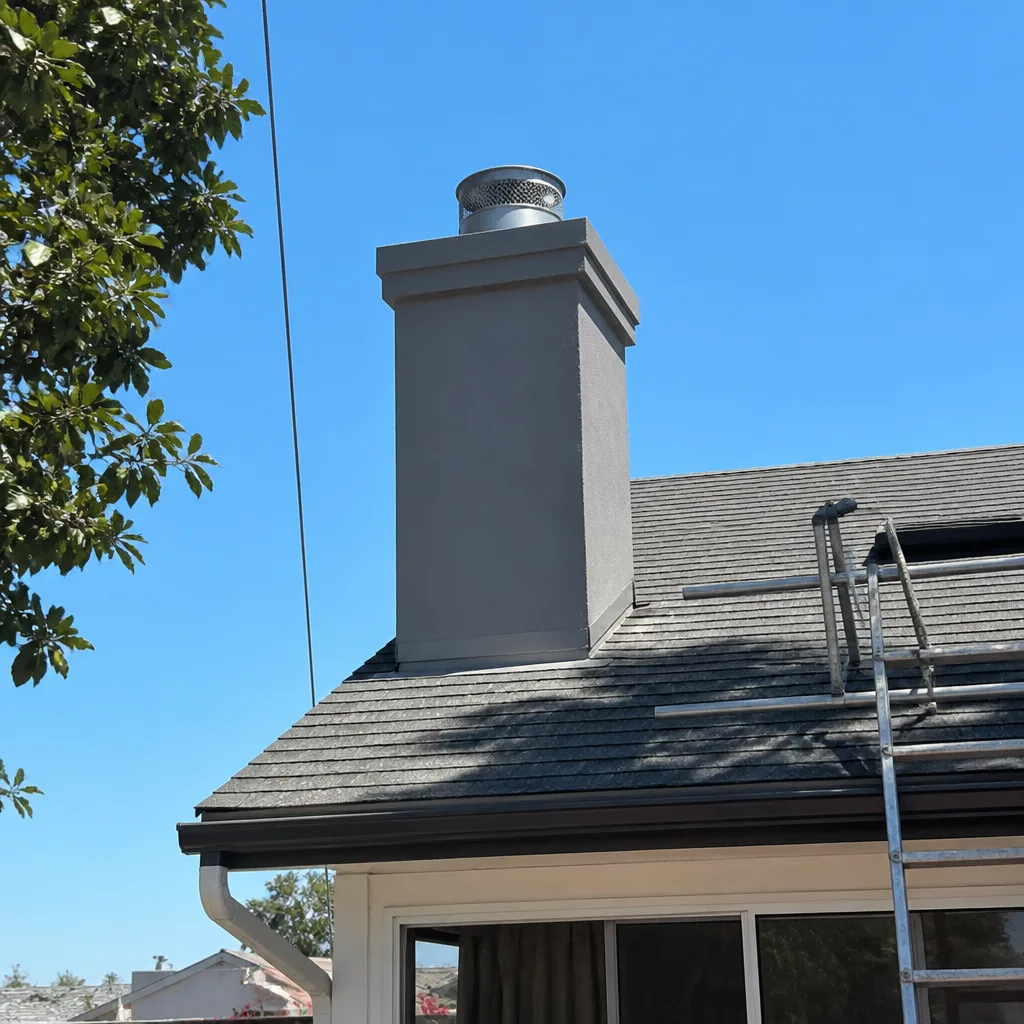
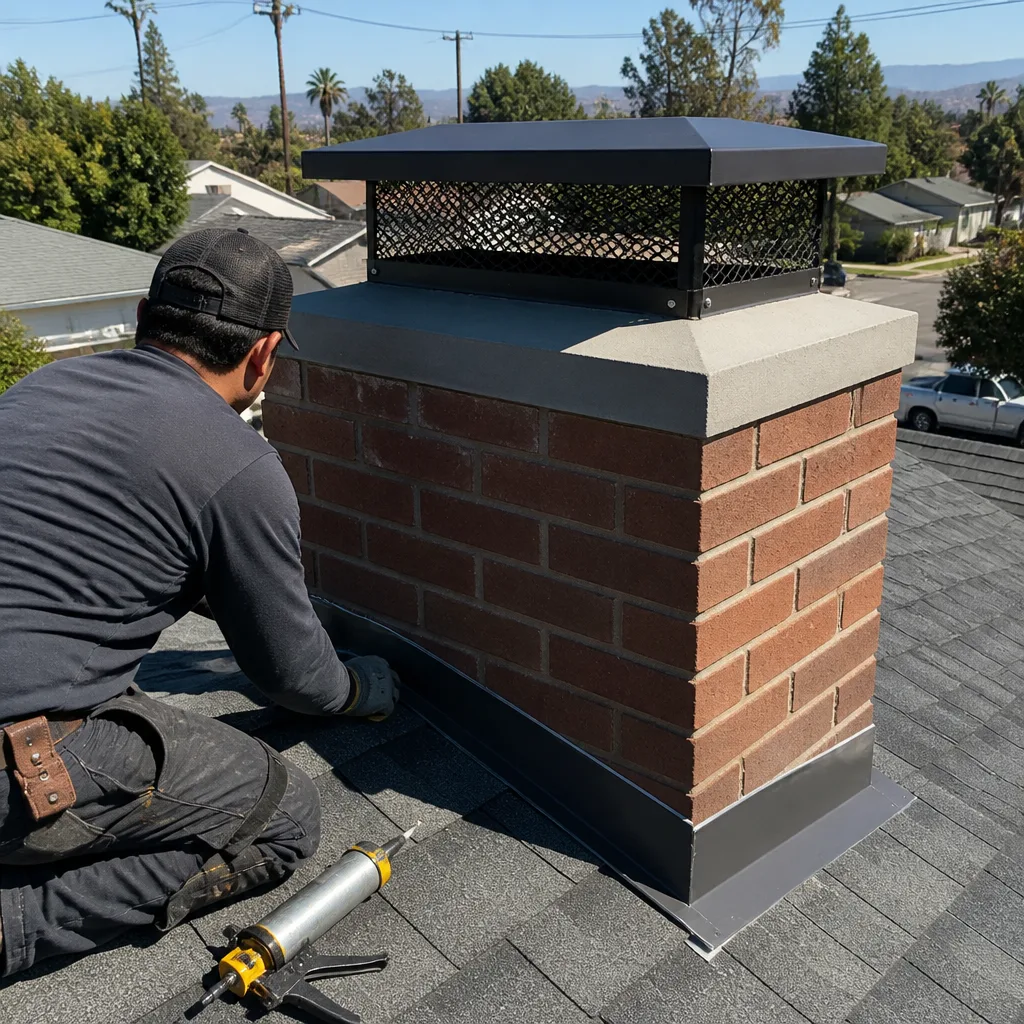
- Install or replace the chimney cap. The cap is the first line of defense against rain, debris, and downdrafting. A quality cap from Famco or Olympia Chimney includes a spark arrestor screen that prevents large embers from escaping the flue during normal operation. During a full chimney fire, no cap will contain the fire, but during normal burning, the right cap reduces your ember footprint to your neighbors.
- Burn properly seasoned hardwood. Green wood burns cooler and produces more creosote. East Los Angeles has no shortage of cheap firewood sellers, but if the wood is wet or unseasoned, it will coat your flue faster than anything else. Seasoned oak or almond produces less creosote and burns hotter, which reduces the deposit rate.
This plan is not theoretical. It is the same sequence we walk through with every customer when we are standing in front of their fireplace, showing them the camera footage and explaining what they are seeing. Clean it. Repair it. Protect it. That is the sequence, and skipping any step transfers the risk to the day you have a fire in the wrong conditions.
The Dryer Vent Connection: The Other Fire Hazard in Your Home
Chimney fires are terrifying and memorable. Dryer vent fires are quiet, boring, and more common. The U.S. Fire Administration tracks residential fire causes nationwide, and clothes dryers consistently rank among the leading appliance-related fire sources. The fire starts when lint accumulates inside the vent duct, restricting airflow and allowing the dryer’s heating element to ignite the built-up lint. The fire then travels outward through the duct, often into the wall or attic.
The same East Los Angeles homes that have original masonry chimneys frequently have long, convoluted dryer vent runs. Older homes were not designed with dedicated laundry rooms and direct exterior vent paths. The vent might run through the garage, across the attic, or terminate in a location that is difficult to reach for cleaning. The longer the run and the more bends in the duct, the more surface area for lint to accumulate, and the higher the fire risk.
This is why we include Dryer Vent Cleaning in South San Gabriel as a core service alongside chimney sweeping. Both address fire hazards that accumulate gradually, invisibly, and at predictable rates. Both are annual maintenance. Both can be checked off the same appointment when you schedule both services together. One call covers both. The dryer vent is the chimney of your laundry room, and ignoring it while dutifully sweeping your fireplace is like locking the front door and leaving the back door wide open.
Common Mistakes to Avoid
- Burning on Red Flag Warning days because “it’s cold.” A wood fire during a Santa Ana wind event is a risk to your entire block, not just your house. If it is cold, use the central heat. If you do not have central heat, bundle up. One ember from a chimney fire can ignite a neighbor’s roof.
- Ignoring a small chimney fire because it seemed to burn itself out. A chimney fire that dies down on its own has still subjected the flue to extreme heat. The liner may be cracked, the mortar may be damaged, and the fire may have extended into the wall cavity without your knowledge. Any chimney fire, however small, requires a Level 2 inspection before the fireplace is used again.
- Using the fireplace as a trash incinerator. Burning paper, cardboard, wrapping paper, or other household waste creates large flakes of burning material that can be carried up the flue and out the top. It also produces creosote at a much faster rate than properly seasoned firewood. Wrapping paper burns hot and fast, and during a Santa Ana wind event, that is exactly the kind of spark source that starts roof fires.
- Deferring a liner repair because “the fireplace still works.” The fireplace will keep working right up until the fire spreads through the cracked flue and into the wall. Functionality is not the same as safety. The camera footage from your last inspection tells you the actual condition. Trust the evidence, not the fact that your last fire was pleasant.
- Cleaning the chimney yourself with a store-bought brush kit. A homeowner-grade brush from a hardware store cannot remove stage three glazed creosote, cannot reach the full length of the flue, and cannot tell you whether the liner is cracked, the damper is warped, or the crown is failing. What it can do is give you false confidence that the job is done when it is not.
- Lighting a fire after a long period of disuse without an inspection. A chimney that has not been used in three years may have become home to birds, squirrels, or a wasp nest that blocks the flue. It may have unseen damage from a previous chimney fire, a lightning strike, or simple freeze-thaw cycling. An inspection before the first fire costs less than the repair after the fire.
- Assuming your home insurance covers chimney fire damage automatically. Most policies cover fire damage, but the insurer will investigate whether the damage resulted from lack of maintenance. If they determine the chimney fire was caused by creosote buildup that should have been swept, you may face a coverage dispute. Documented annual maintenance is your defense.
When to Call a Professional
Call a professional chimney company when your camera inspection shows cracks in the flue liner, when you have had a chimney fire, when smoke enters the room during normal burning, when you see dark staining on the chimney exterior or interior walls near the fireplace, or when you cannot remember the last time the chimney was swept. Call a professional for the dryer vent too: if clothes take longer than 45 minutes to dry, if the laundry room fills with humidity while the dryer runs, or if the exterior vent hood does not open when the dryer is on. Hickory Chimney Sweep offers free estimates in East Los Angeles. Call (855) 554-2841 to schedule a sweep, an inspection, or a full evaluation of both your chimney and dryer vent. We work with homes throughout the area, and we fix what we find under one roof.
Frequently Asked Questions
A standard chimney sweep in East Los Angeles typically runs between $180 and $340 depending on the level of creosote buildup, the height and accessibility of the chimney, and whether the job includes a camera inspection.
- Standard sweep with visual inspection: $180 – $250
- Sweep with full camera inspection: $250 – $340
- Heavy creosote removal (stage three glaze): $350 – $550
- Dryer vent cleaning (standalone): $130 – $220
- Chimney sweep plus dryer vent cleaning: $280 – $450
Call (855) 554-2841 for an exact quote. Estimates are free.
A wood-burning fireplace used regularly during the winter should be swept once per year, ideally in early fall before the Santa Ana wind season begins. If you burn more than two cords of wood per season, or if you burn softwoods like pine, schedule a mid-season check as well. Gas fireplaces produce less creosote, but they still need annual inspection for venting issues, carbon monoxide concerns, and burner condition.
Creosote accumulates in layers. The first layer is flaky and easy to remove. The second layer is tar-like and requires more aggressive mechanical brushing. The third layer is glazed creosote, which looks like shiny black glass and requires chemical treatment or rotary removal tools. Each layer increases the fuel load inside your flue, and at stage three, a single spark from a normal fire can ignite the entire accumulated mass. In East Los Angeles, where many older homes have clay tile liners with cracks and gaps, that fuel load is sitting right next to a path into your wall framing.
You should not take anyone’s word for a liner replacement without seeing camera evidence. At Hickory Chimney Sweep, we show you the footage. If the camera shows cracks, spalling, or missing mortar joints between tiles, those are documented facts, not opinions. A cracked liner is a genuine fire hazard, and repairing it is not optional maintenance in the same way that repainting a wall is cosmetic. If you are unsure, schedule a second inspection with another certified chimney company and compare what they tell you against the camera footage.
The South Coast Air Quality Management District issues mandatory no-burn days when fine particulate levels are forecast to reach unhealthy concentrations. On those days, burning wood in a residential fireplace anywhere in the South Coast Air Basin, including East Los Angeles, is prohibited. The rule applies to open fireplaces, wood-burning inserts, and outdoor fire pits. Gas fireplaces are not affected. Violations are subject to fines, and enforcement has increased in recent years. Check the SCAQMD website or app before you light a fire during the burn season.
Yes. The heat from a chimney fire can crack liner tiles, open mortar joints, warp the damper, and begin charring the framing members adjacent to the chimney chase. Those conditions will not necessarily be visible from the outside, but they create an elevated risk for the next fire. After any chimney fire, a NFPA 211 Level 2 inspection is the minimum standard before the fireplace can be used again. The inspection documents the damage and identifies the repair path.
If you have questions about your chimney’s condition or want a camera inspection before the burn season, call (855) 554-2841. We are happy to walk you through what we find.
The Bottom Line
East Los Angeles homes sit at the intersection of three risk factors that make chimney fire preparedness genuinely important: an aging housing stock with original masonry chimneys, a climate that generates Santa Ana wind events with predictable regularity, and a neighborhood density that means one house fire can become a block fire. The preparedness steps are not complicated. Sweep annually. Inspect with a camera. Repair liners when they crack. Do not burn on Red Flag Warning days. Know the 90-second sequence: close the damper, call 911, evacuate. And after any fire, document, inspect, and repair before you light another fire. Clean it. Repair it. Protect it. That is the sequence, and it works.
Written by the team at Hickory Chimney Sweep, serving East Los Angeles since 2013.
See the difference
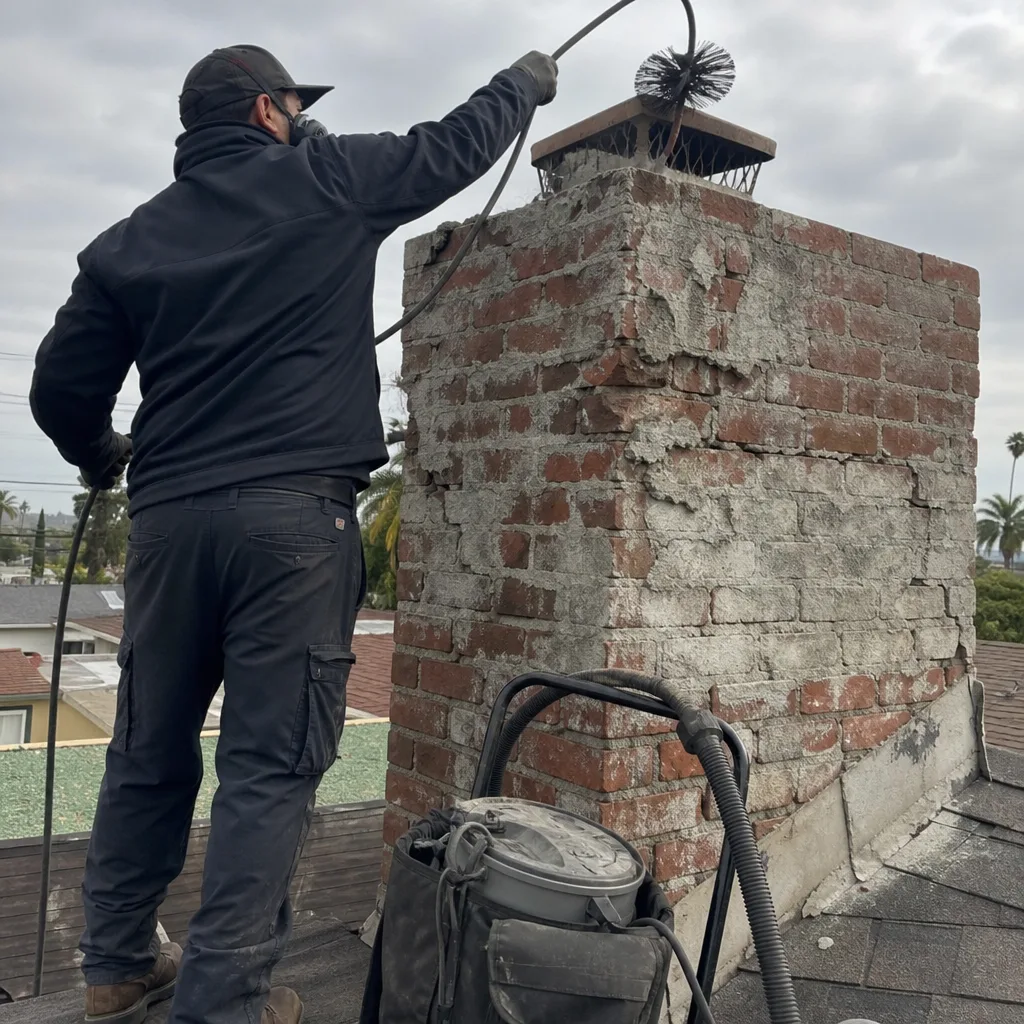 Before
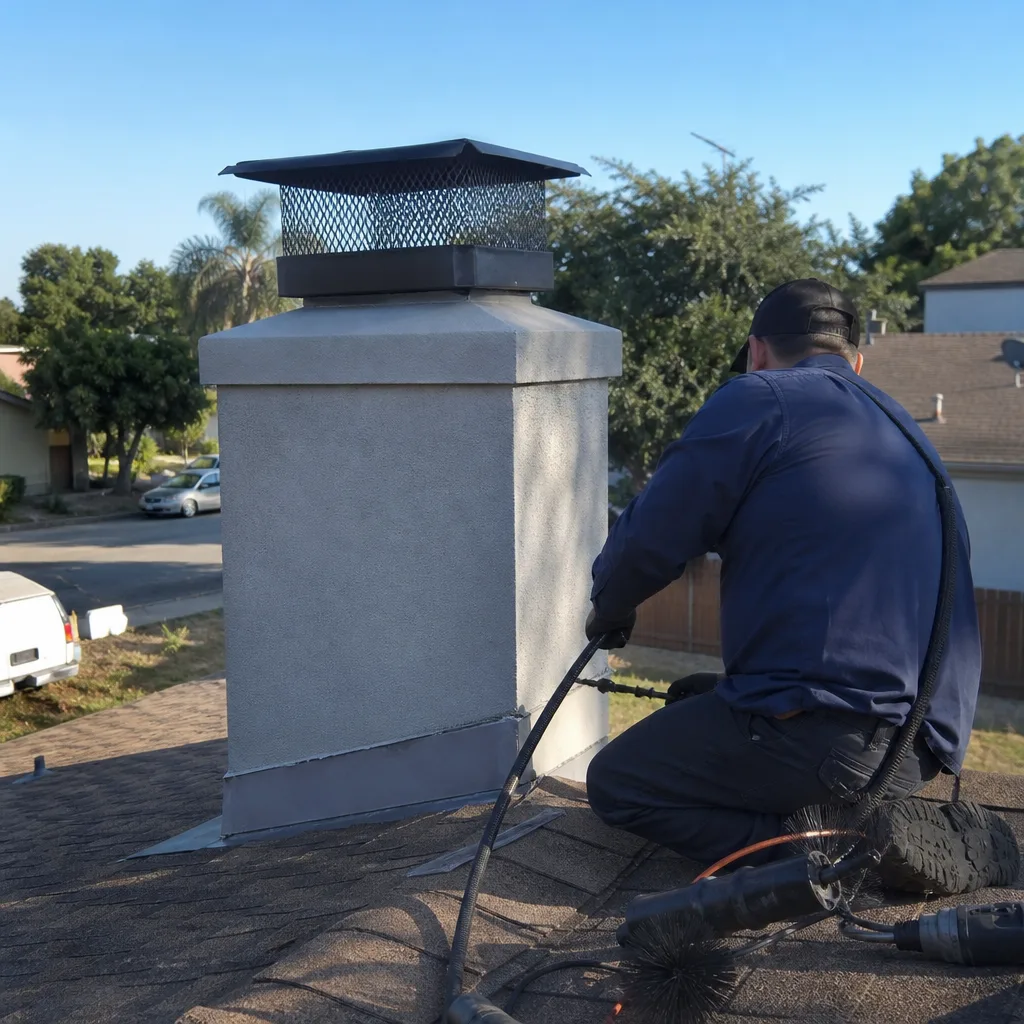 After
 Before
 After
 Before
 After