
Last updated October 31, 2026
 Sweep & inspection
 Caps & crowns
 Flue relining
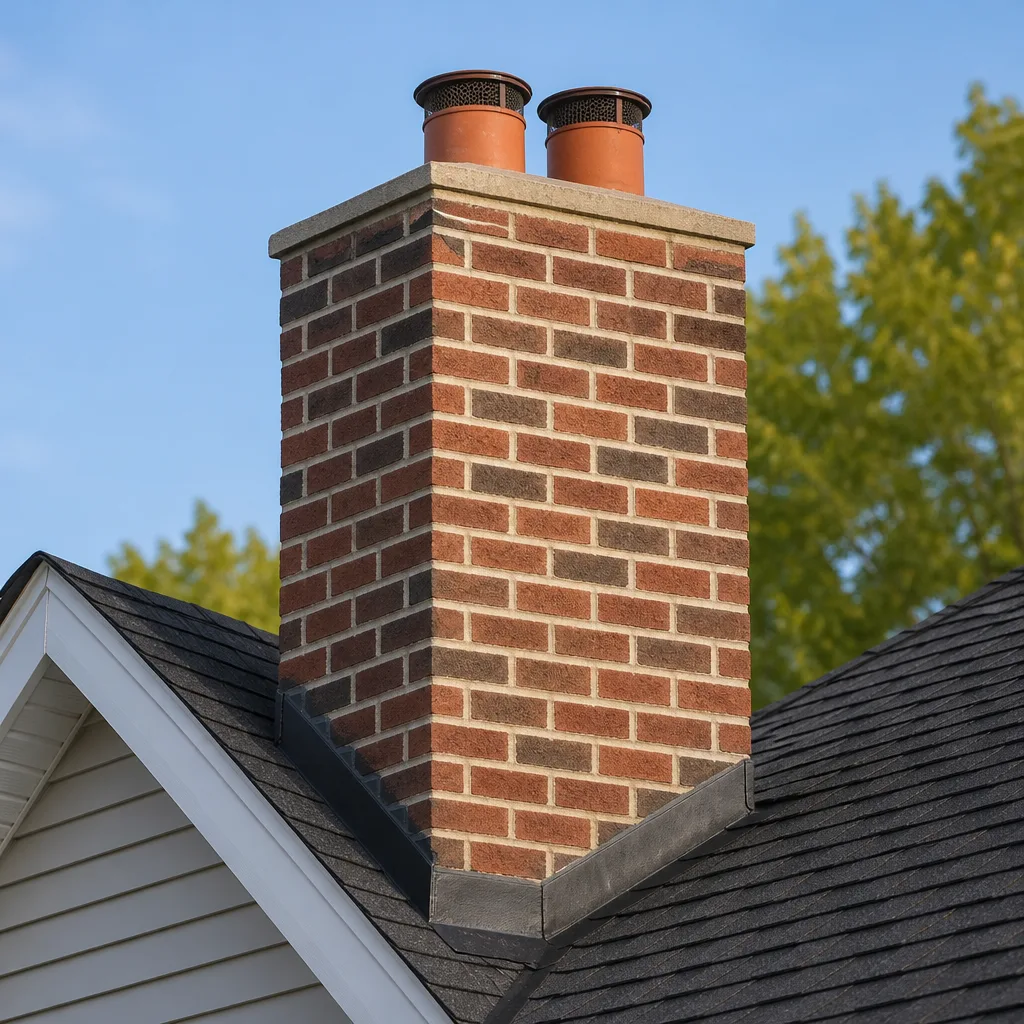 Masonry repair
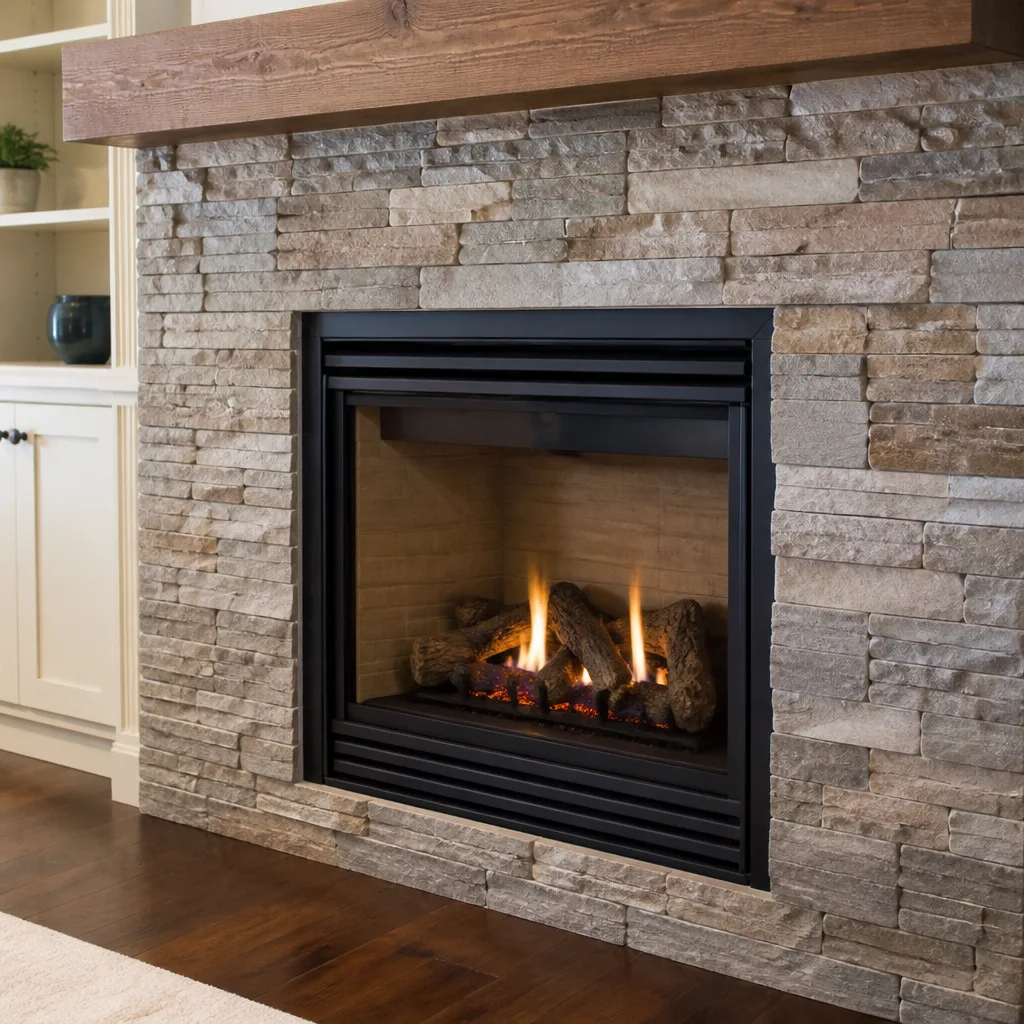 Gas fireplace service
Level 1 sweep and inspection to the NFPA 211 annual standard - flue, crown, cap, and flashing checked and photographed
Chimney sweep logs do not sweep chimneys. They loosen some creosote - which then falls where a brush and vacuum still have to collect it.
Chimney Cleaning Warning Signs: A East Los Angeles Homeowner’s Reference Guide
A chimney fire loud enough to hear is already a worst-case scenario. The signs worth catching are the ones that show up six months before that – and most East Los Angeles homeowners have seen them without knowing what they meant. A faint tar smell in August, a puff of smoke when the wind shifts, a chalky white stain spreading across the brick – these get written off as quirks. They’re not quirks. They’re early warnings. This guide walks you through the quiet signals that precede expensive repairs or dangerous fires, and explains what each one means for your chimney, your home, and your family’s safety. For Chimney Sweep Troubleshooting: Common Problems and How to Fix Them, see our dedicated resource.
Quick Answer
Chimney cleaning warning signs in East Los Angeles include draft reversal (smoke rolling back into the room), white mineral staining on masonry, a tar or asphalt odor in warm weather with no recent fire, visible flue tile debris in the firebox, and excessive soot buildup you can see with a flashlight. Any one of these means the chimney needs inspection, and most require professional cleaning or repair to resolve safely.
Styles & brands we work with
Table of Contents
- Draft Reversal and Smoke Rollout: When the Wind Wins
- Efflorescence: The White Staining That Signals Water Damage
- The Tar Smell in Summer: Creosote You Can’t See
- Liner Cracks and Tile Debris: The Post-Earthquake Check
- The Dryer Connection: Same Warning Signs, Different Appliance
- How to Check Your Own Chimney (Safely)
- Common Mistakes to Avoid
- When to Call a Professional
- Frequently Asked Questions
Draft Reversal and Smoke Rollout: When the Wind Wins
Draft reversal is exactly what it sounds like: instead of pulling smoke up and out, your chimney pushes it back into the room. You’ll notice it most on windy days in East Los Angeles, particularly during Santa Ana season when gusts come hard off the San Gabriel Mountains. A fireplace that backdrafts once during an extreme wind event might be a fluke. A fireplace that does it repeatedly, or on calm days too, is telling you something structural.
The difference matters because the fixes are completely different. Wind-induced backdrafting happens when a chimney is too short relative to nearby rooflines or ridgelines, or when the cap is undersized. The wind forces air down the flue. Smoke has nowhere to go but back. This is common in older East LA neighborhoods where homes sit close together and rooflines vary dramatically. Fixing it often means extending the flue height or installing a properly sized cap – work that requires a professional.
But here’s the signal most homeowners miss: if smoke rollout happens on calm days, or gets worse over time, the problem isn’t wind. It’s a restriction. Heavy creosote buildup narrows the flue and breaks the draft. A cracked liner lets outside air in at the wrong point, disrupting the pressure system that draws smoke upward. A blocked chimney cap, a bird’s nest, or even a dead animal can trigger the same symptom. In our experience, slow-developing smoke rollout over a season usually points to buildup, not weather.
If you’re dealing with draft reversal, start by checking the obvious: is the damper fully open? Is anything obstructing the firebox opening? If those are fine, the chimney needs a professional look. Smoke in your living room isn’t just an annoyance – it’s carbon monoxide and fine particulate matter you don’t want your family breathing. For a deeper look at what a professional chimney sweep covers, see our Chimney Sweep in South San Gabriel page.
Efflorescence: The White Staining That Signals Water Damage
White, chalky stains on your chimney’s exterior brick or the interior firebox are called efflorescence, and they’re not a housekeeping problem. They’re a water problem. Efflorescence forms when moisture moves through masonry, dissolving mineral salts inside the brick or mortar, then deposits those salts on the surface as the water evaporates. What remains is the crusty white residue you see on chimneys all over East Los Angeles.
Water is the single most destructive force a chimney faces. It doesn’t cause fires, but it causes everything that leads to costly repairs. Water seeping through a cracked crown or compromised flashing soaks into the flue. It degrades mortar joints. It causes the liner to expand and crack during temperature swings. It rusts the damper assembly. Every chimney in East LA endures an annual wet/dry cycle from winter rains through summer heat, and older masonry chimneys with original crowns take the worst of it.
What should you do if you spot efflorescence? First, note where it appears. Staining near the top of the chimney usually points to a crown problem – cracked, spalling, or missing mortar that lets rain drive straight into the structure. Staining near the roofline suggests flashing failure, where the metal barrier between chimney and roof has pulled away or rusted through. Staining inside the firebox often means water is tracking down the flue walls from above.
This is not a cosmetic issue you can ignore. Left untreated, water intrusion leads to liner failure, fireplace structural damage, and repairs that cost thousands more than an early crown fix would have. The good news is that professional chimney sweeps catch this during routine annual cleaning, often before the homeowner even notices visible staining. For guidance on selecting a provider, read our Choosing the Right Chimney Cleaning Brand: A Buyer’s Guide for East Los Angeles. That’s one reason the National Fire Protection Association recommends yearly chimney inspections, regardless of how often you burn.
The Tar Smell in Summer: Creosote You Can’t See
It’s July in East Los Angeles. The attic is baking. The house is closed up. And suddenly you catch a smell like hot asphalt or burning tar near the fireplace – even though you haven’t had a fire since February. That smell is creosote volatilizing. It’s one of the most specific and most frequently ignored chimney warning signs there is.
Here’s what’s happening. Creosote deposits build up on flue walls during the burning season. Creosote isn’t one thing – it forms in stages. Stage 1 is a light, dusty soot. Stage 2 is a flaky, black, granular deposit that’s harder to remove. Stage 3 is a concentrated, hardened glaze that looks like tar and bonds to the flue surface. Stage 3 creosote is extremely combustible and notoriously difficult to remove without professional tools and techniques.
During an East LA summer, heat saturates the attic and chimney chase. When temperatures climb high enough, the volatile organic compounds in Stage 2 and Stage 3 creosote begin to off-gas. That smelly vapor drifts down the flue and into your living space. What you’re smelling is concentrated, flammable material releasing gas. If you can smell it, the buildup is substantial.
The smell is the warning. A house fire isn’t necessarily imminent, but the condition that caused the smell – heavy creosote accumulation in a flue that probably hasn’t been inspected in years – is exactly the condition that precedes chimney fires. If you notice a tar or asphalt smell near your fireplace in warm weather, treat it as an urgent reason to schedule a cleaning. It’s one of the clearest indicators that the flue has crossed from “dirty” to “dangerously loaded.”
Liner Cracks and Tile Debris: The Post-Earthquake Check
East Los Angeles sits in seismic country. Even the minor quakes most of us sleep through put stress on masonry chimneys. A clay tile flue liner is rigid, and when the surrounding structure flexes, the liner can crack. Once a liner cracks, it stops protecting your home. Heat can reach combustible framing. Flue gases, including carbon monoxide, can leak into wall cavities. And the chimney no longer meets the safety standard it was built to satisfy.
How do you check for liner damage yourself? Start with a flashlight and a look up the flue from the firebox, if you have a wood-burning fireplace. Hold a mirror angled in the opening if you need a better view. What you’re looking for is straightforward. Do you see cracks in the flue tiles? Gaps where mortar between tiles has failed? Spalled tile pieces – thin shards or chunks of clay tile – sitting on the smoke shelf or the firebox floor? If you see any of those, the liner is compromised.
Tile debris in the firebox floor is one of the easiest warning signs to spot and the most commonly ignored. Homeowners assume a few fragments are normal wear. They’re not. Flue tiles don’t shed pieces under normal conditions. Debris means something broke, and if something broke, the flue’s protective barrier is no longer intact.
This is also where the post-earthquake inspection becomes valuable. After any noticeable quake, check the firebox floor. If you see new debris afterward, you have a direct link between seismic movement and liner degradation. The fix for a cracked liner used to be a full chimney rebuild. It isn’t anymore. Modern relining with flexible systems like DuraFlex gives homeowners a cost-effective repair path that restores full safety without tearing down masonry. For more on liner repair options, visit our Chimney Repair in South San Gabriel page.
The Dryer Connection: Same Warning Signs, Different Appliance
Chimneys and dryer vents have more in common than most homeowners realize. Both rely on unobstructed airflow to move hot, particle-laden exhaust out of the house. Both accumulate combustible residue – creosote in a chimney, lint in a dryer vent. Both cause fires when that residue accumulates and the airflow gets blocked. And both give off warning signs that homeowners routinely shrug off.
For your dryer, the symptoms parallel the chimney list almost perfectly. Clothes taking longer to dry? That’s the equivalent of draft reversal – reduced airflow due to restriction in the vent line. Excess lint around the exterior vent cap? That’s the equivalent of visible soot at the chimney cap – evidence the system is not exhausting properly. A burning smell during the dry cycle? That’s the dryer vent equivalent of the summer tar smell – overheated material that shouldn’t be there.
The scale of the risk is not small. According to FEMA data, clothes dryers account for thousands of residential fires annually in the United States, and the leading cause across nearly every study is failure to clean the vent. Lint is exceptionally flammable, and a partially blocked vent causes the dryer’s heating element to work harder, pushing into ignition temperatures. It’s the same story as a Stage 3 creosote chimney fire, just with the heat source inside the machine.
That’s why the chimney and dryer vent belong on the same maintenance radar. A homeowner who stays on top of both is covering the two most common appliance-related fire hazards in the home. For details on the dryer vent side, see our Dryer Vent Cleaning in South San Gabriel page. One visit can address both.
How to Check Your Own Chimney (Safely)
You don’t need to climb onto the roof to do a basic chimney self-assessment. Most warning signs are visible from the ground or from inside the house. Here’s a simple five-step check that any East Los Angeles homeowner can do in under fifteen minutes.
- Look at the chimney from the street. Is it leaning? Are there missing or cracked bricks? Does the crown look intact, or can you see gaps and crumbling mortar along the top? Is there visible white staining? If the chimney’s silhouette looks off in any way, it’s worth an inspection.
- Shine a flashlight up the flue from the firebox. Look for a coating of soot on the flue walls. Light, dusty soot is normal. Thick, crusty, or glossy black buildup is not. If you use a fire poker and can scrape off flaky, scaled deposits, that’s Stage 2 creosote and the chimney needs cleaning.
- Check the firebox floor for debris. Small pieces of tile, mortar crumbs, or any material that wasn’t there after your last burning season is a red flag. It usually means something above the firebox is degrading.
- Note the smell near the fireplace on a hot day. A tar or asphalt odor, especially on the first hot spell of summer, is a strong indicator of Stage 2 or Stage 3 creosote deposits off-gassing from the flue.
- Check your dryer vent exterior. Where the dryer exhaust exits the house, look at the vent cap. Lint buildup on the louvers, excess lint on the ground, or visible fibers around the opening mean the vent line is carrying more material than it should and the airflow is restricted.
If items two, three, or four trigger anything, call a professional. Cleaning a chimney is not a safe DIY project – the brushing process releases creosote dust and requires proper equipment to contain it, and high-temperature deposits need commercial-grade tools to remove. The value of a professional sweep is not convenience. It’s a thorough job that gets all of the buildup, not the surface layer.
Common Mistakes to Avoid
- Assuming no fires means no creosote. You can use a fireplace twice a season and still build up dangerous deposits. Creosote formation depends on burn temperature and wood moisture, not frequency. Low, smoldering fires and unseasoned wood are the worst offenders for rapid buildup.
- Cleaning the surface layer yourself with a basic brush. This is the most common error we see. The visible soot at the firebox level comes off, but the Stage 2 and Stage 3 deposits further up the flue stay put. The homeowner thinks the chimney is clean. It isn’t. It just looks clean from the bottom.
- Ignoring a small crack because it’s been there a while. Cracks don’t stay small. Water gets in, freeze-thaw cycles wedge it wider (yes, even in East LA where winter nights dip below freezing in some microclimates), and a minor crown fissure becomes a full crown failure within a few seasons.
- Painting over efflorescence. Sealing or painting over the white staining hides the symptom while the water intrusion continues behind the masonry. The fix is repairing the crown or flashing, not covering the evidence.
- Thinking dryer lint is just a housekeeping issue. The lint you see on the screen is only a fraction of what’s in the vent line. By the time the dryer is taking noticeably longer to finish loads, the vent is already significantly restricted and overdue for cleaning.
- Waiting until fall to check the chimney. East LA chimney sweeps book heavily in fall. If you notice a warning sign in May, don’t wait until October. You’ll get better scheduling availability and likely more attention from your sweep in the off-season.
When to Call a Professional
Call a professional if you’ve noticed any warning sign that doesn’t resolve with basic fixes – smoke rollout on calm days, persistent tar smell, visible masonry staining, or debris in the firebox. Also call if you’ve had a chimney fire, even a small one. A chimney fire can damage the liner in ways invisible from the outside, and using the fireplace afterward without inspection is risky.
If your home has gone more than a year without a chimney inspection, that alone is a reason to book one. Annual inspection is the standard recommendation from the National Fire Protection Association, and East Los Angeles homes with older masonry chimneys benefit from the rhythm of a regular check. And don’t forget the dryer vent – if your clothes are taking noticeably longer to dry, or you see excess lint around the exterior cap, that’s a call to make now, not later.
Hickory Chimney Sweep offers free estimates in East Los Angeles – call (855) 554-2841 to schedule a chimney sweep, inspection, or dryer vent cleaning.
Frequently Asked Questions
Once a year is the standard recommendation, regardless of how often you burn. The National Fire Protection Association specifies annual inspection, with cleaning as needed based on what the inspection finds. Wood-burning fireplaces that see regular use through winter should be swept annually. Gas fireplaces need less frequent cleaning but still benefit from annual inspection to check venting and ensure no blockage has developed.
A chimney fire often sounds like a freight train or a low, rumbling roar coming from the chimney, sometimes with loud popping or cracking. Some are quieter – a whistling or sucking sound. If you hear a noise like this, call 911 immediately and evacuate the home. Do not try to extinguish the fire yourself. After the event, the chimney must be inspected before any further use.
Basic surface brushing from below is possible, but it will not remove Stage 2 or Stage 3 creosote deposits. Professional removal requires commercial-grade rotary brush systems and generally involves access from the roof. A proper sweep also includes a full inspection of the liner, crown, flashing, and cap. The cost of professional cleaning is less than the cost of the problems missed by a superficial DIY job.
Chimney sweep pricing in the East Los Angeles area typically runs from $180 to $350 depending on the chimney’s condition, height, and accessibility. Additional costs apply if the sweep includes a video inspection or if heavy creosote removal is required. For an exact quote, call (855) 554-2841 – estimates are free.
Gas fireplaces don’t produce creosote, but they still need periodic inspection. The venting system can develop blockages – bird nests, debris, even rust – and a gas appliance that isn’t venting properly can release carbon monoxide into the home. Annual inspection of the vent and firebox is appropriate for gas fireplaces, with cleaning performed as needed.
Yes. The lint that passes through the screen and into the vent line accumulates over time. Restricted airflow forces the dryer to run hotter, which increases fire risk and shortens the life of the machine. The leading cause of dryer fires in the U.S. is failure to clean the vent. If drying times are creeping up or lint is visible around the exterior cap, the vent needs service.
White, chalky staining is efflorescence, a mineral deposit left by water moving through masonry. It means water is getting into the chimney somewhere – typically through a cracked crown or failed flashing. The water source needs to be fixed. Covering or painting over the staining does nothing to stop the underlying moisture problem.
The Bottom Line
Chimney warning signs are rarely dramatic. They’re subtle: a whiff of tar on a hot day, a thin white stain spreading across the brick, a few tile shards in the firebox, smoke that rolls back when the wind kicks up. Homeowners in East Los Angeles miss these signals because they don’t know what to look for. Now you do. If you notice any of the indicators in this guide, the next step is a professional inspection – and the same logic applies to your dryer vent, the other major appliance-fire risk in your home. The goal isn’t to alarm; it’s to catch problems early, when they’re cheap to fix. Call (855) 554-2841 for a free estimate, or explore more from Hickory Chimney Sweep home.
Written by the team at Hickory Chimney Sweep, serving East Los Angeles since 2013. Explore more guides & resources on our blog.
See the difference
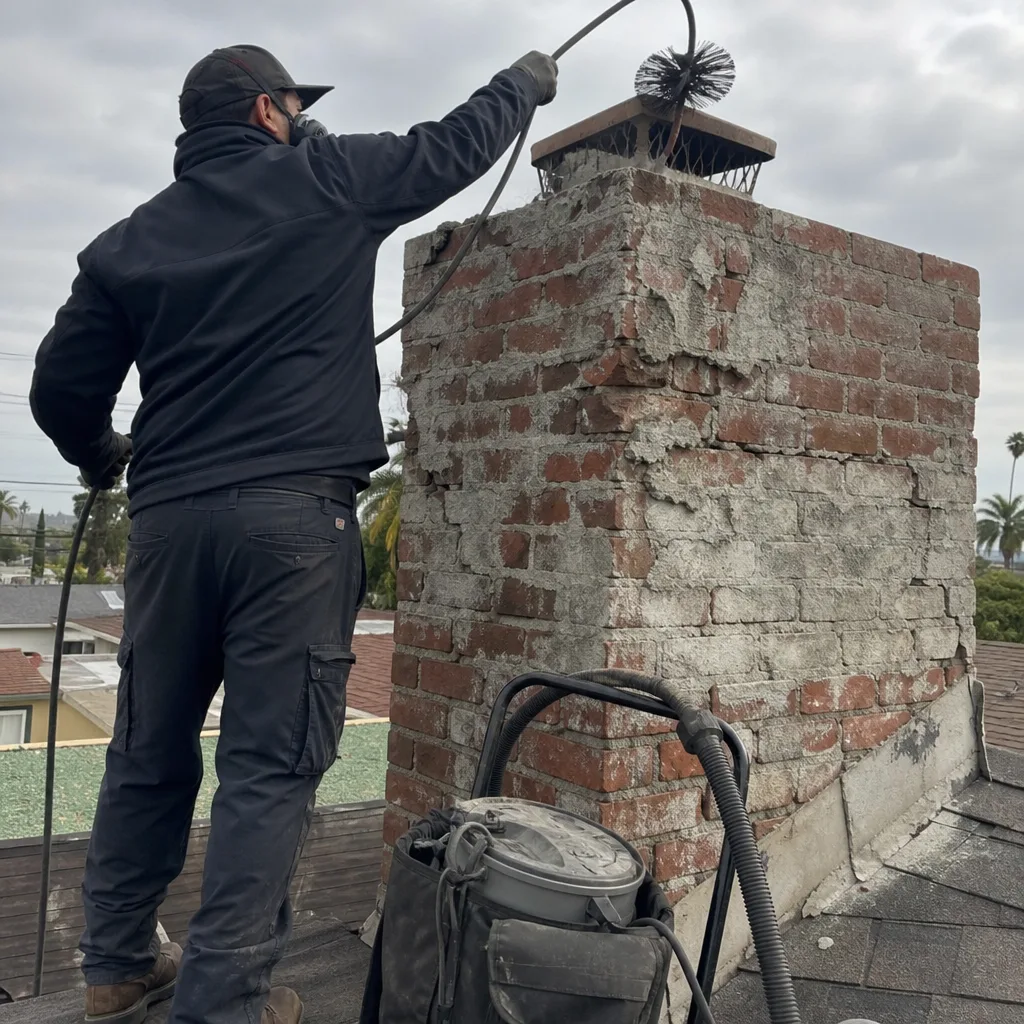 Before
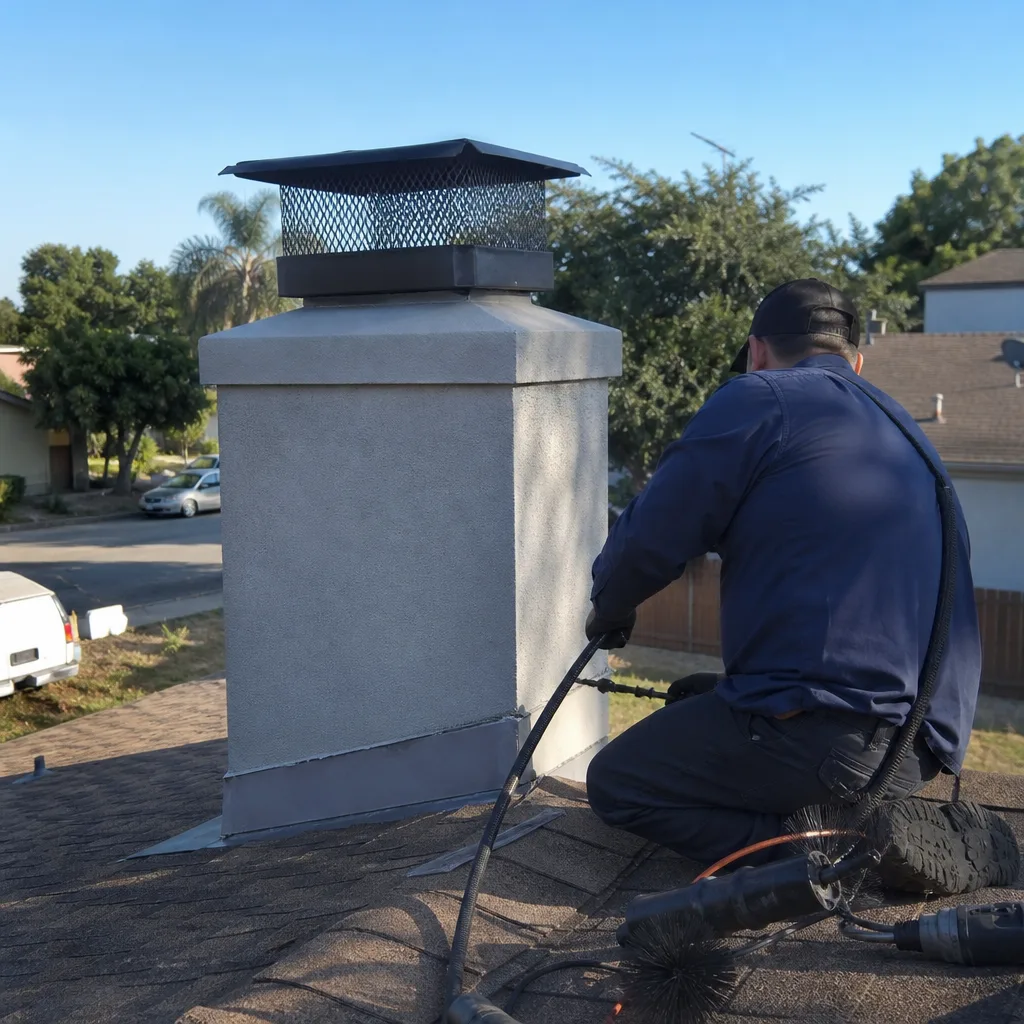 After
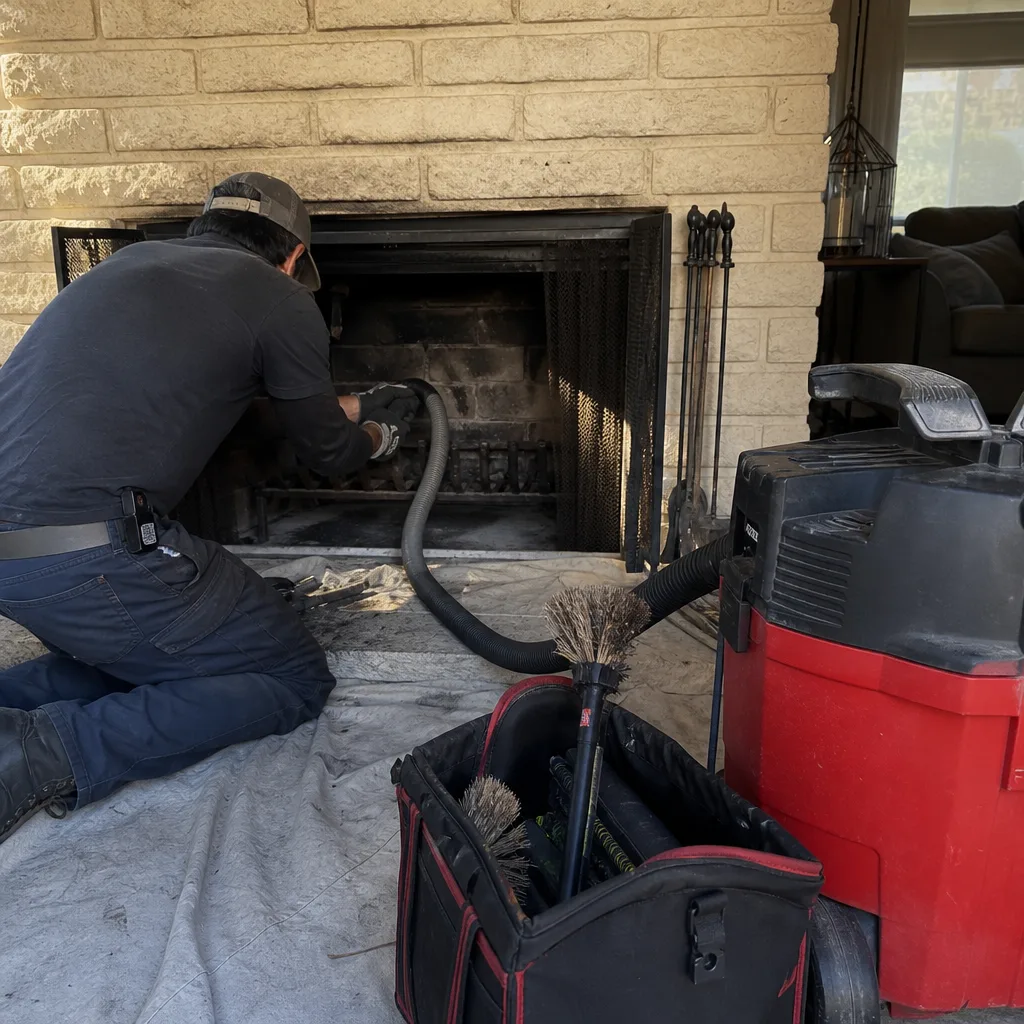 Before
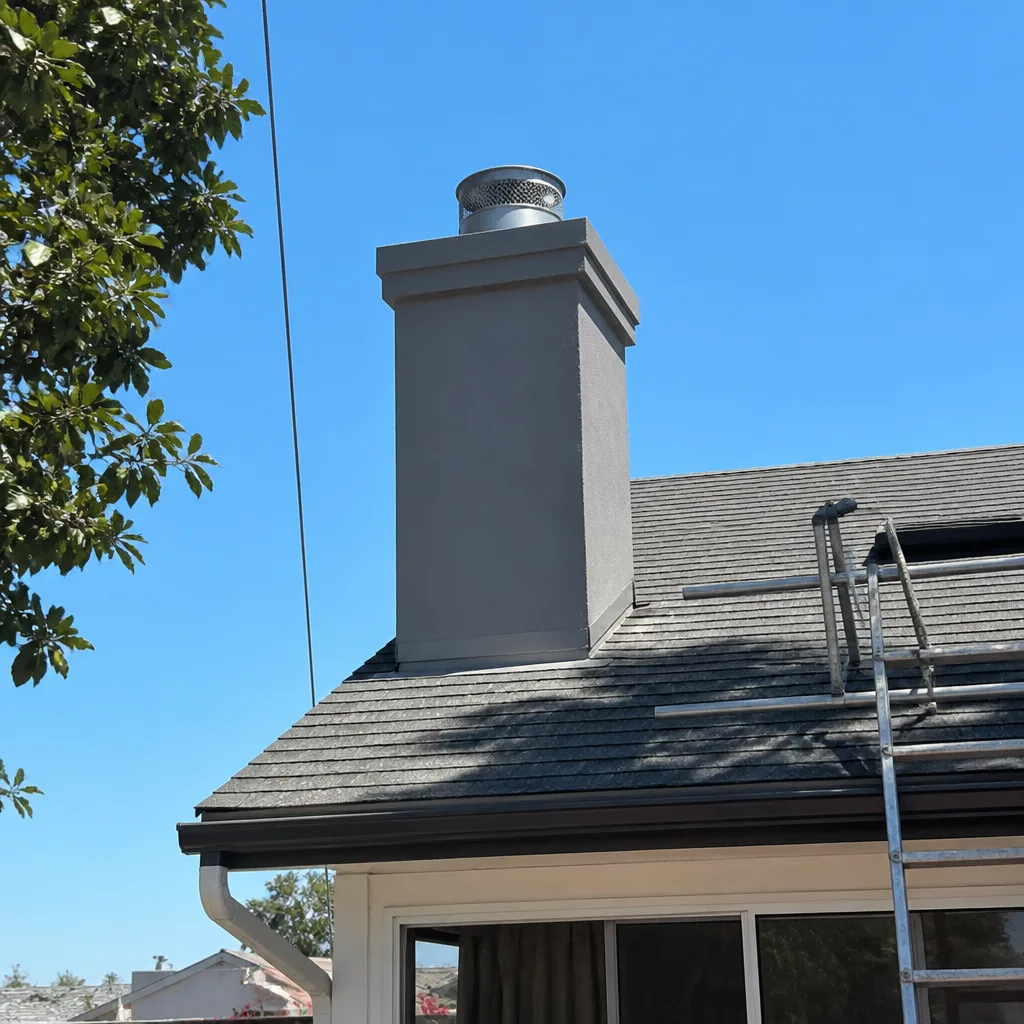 After
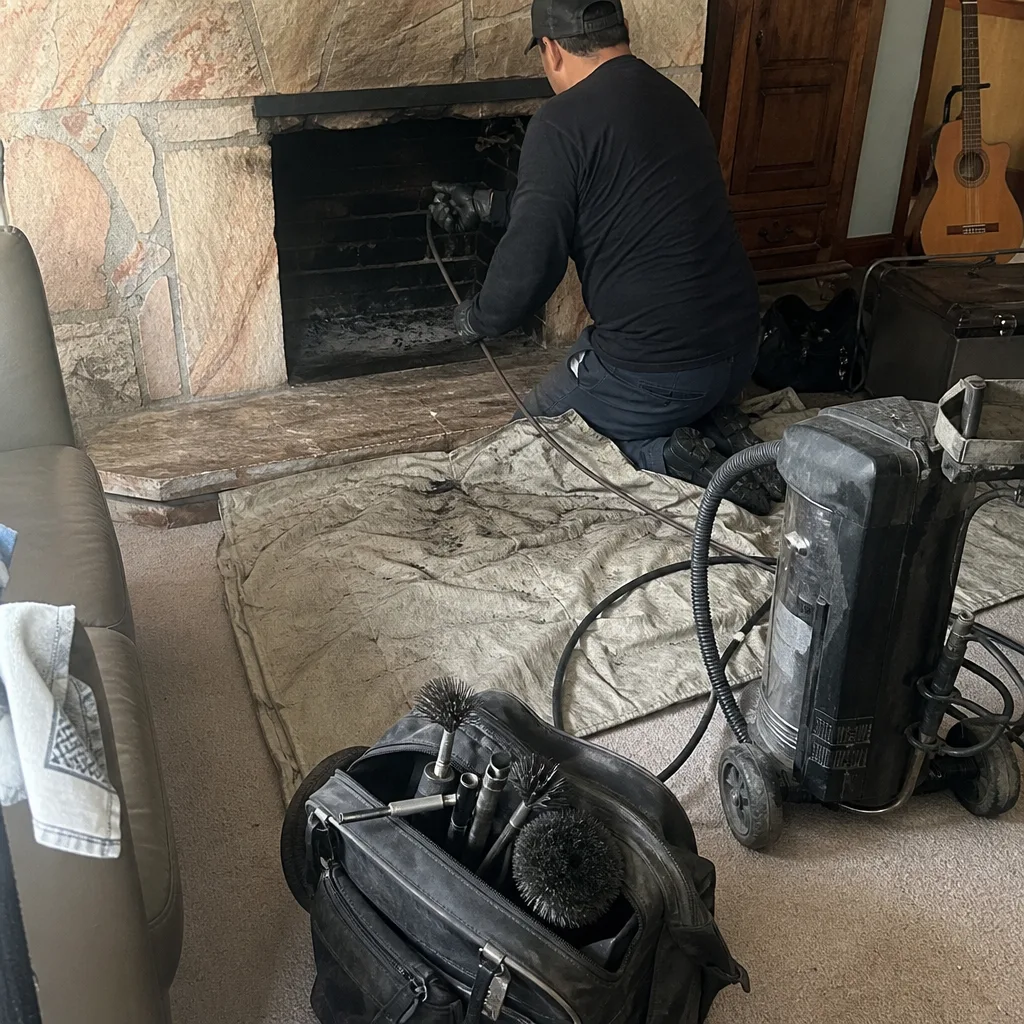 Before
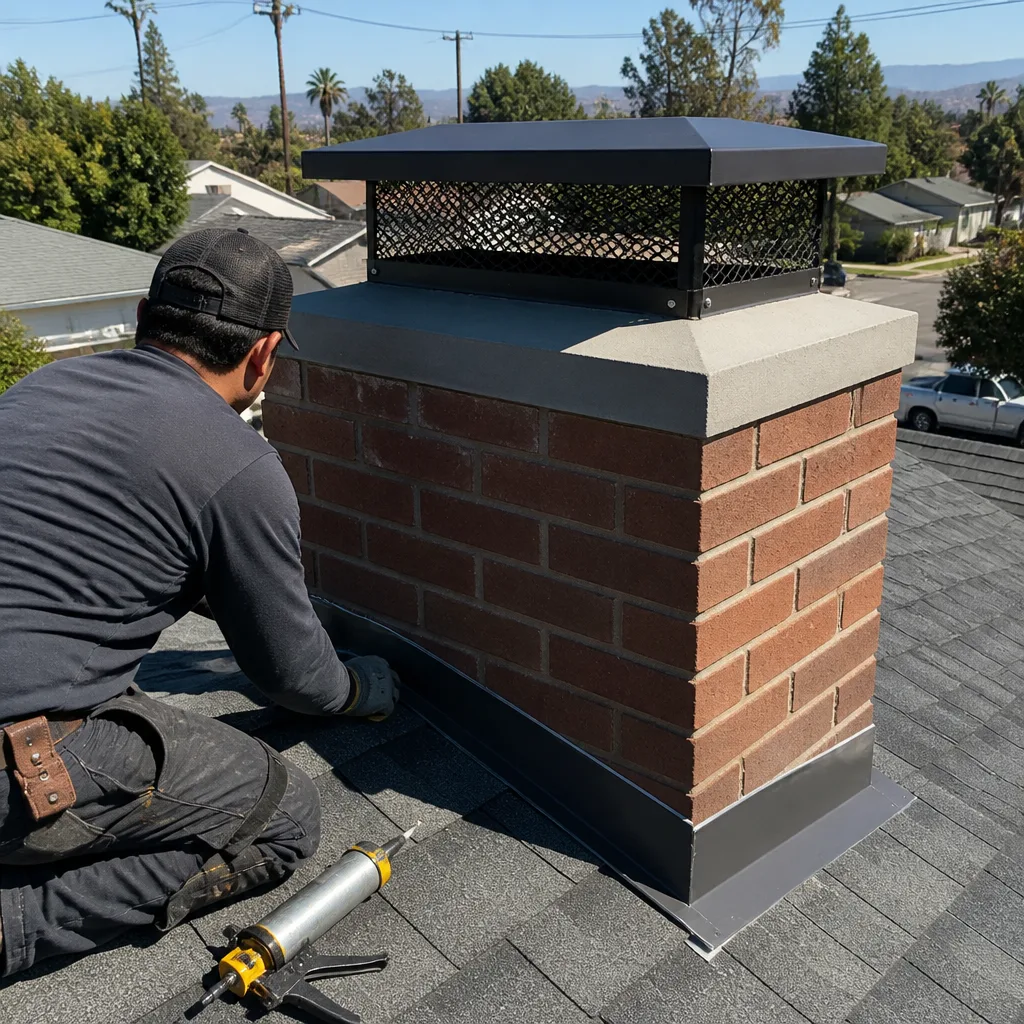 After