Last updated October 31, 2026
 Sweep & inspection
 Caps & crowns
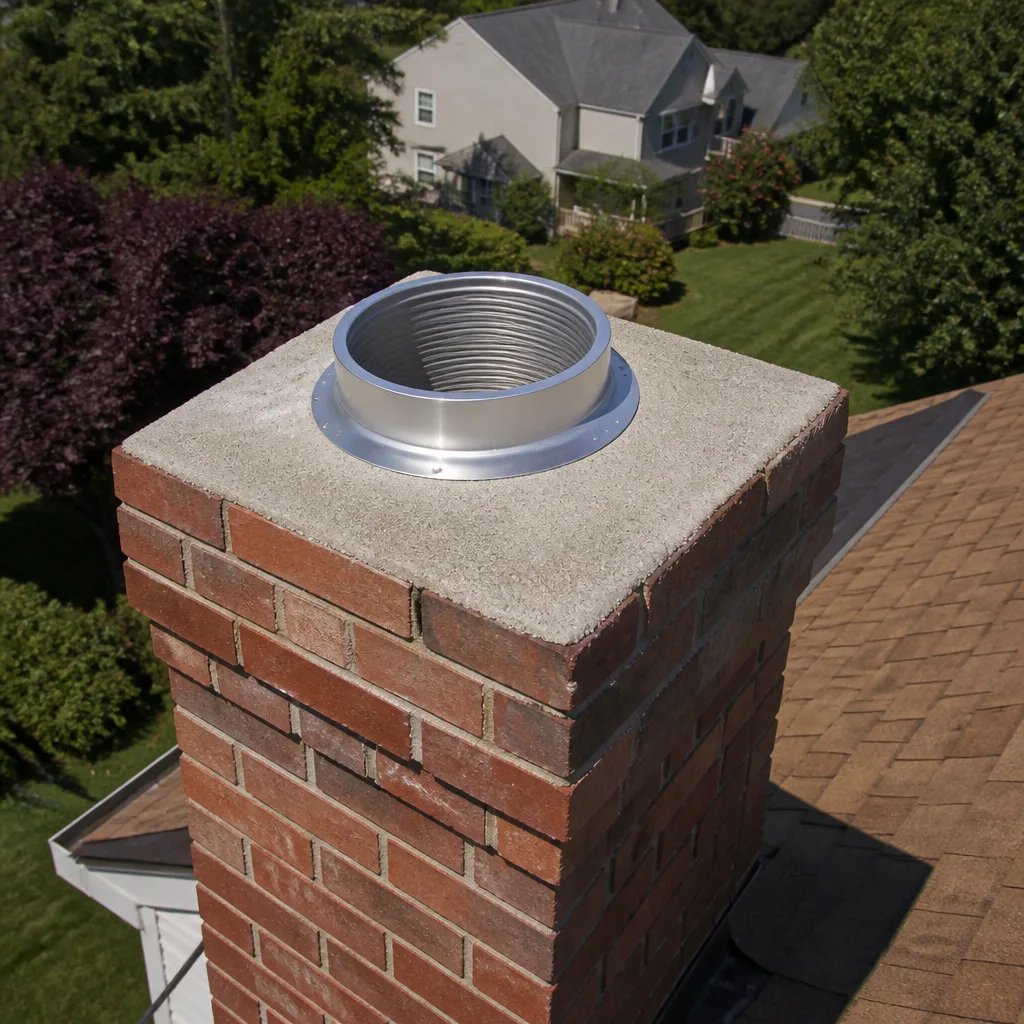 Flue relining
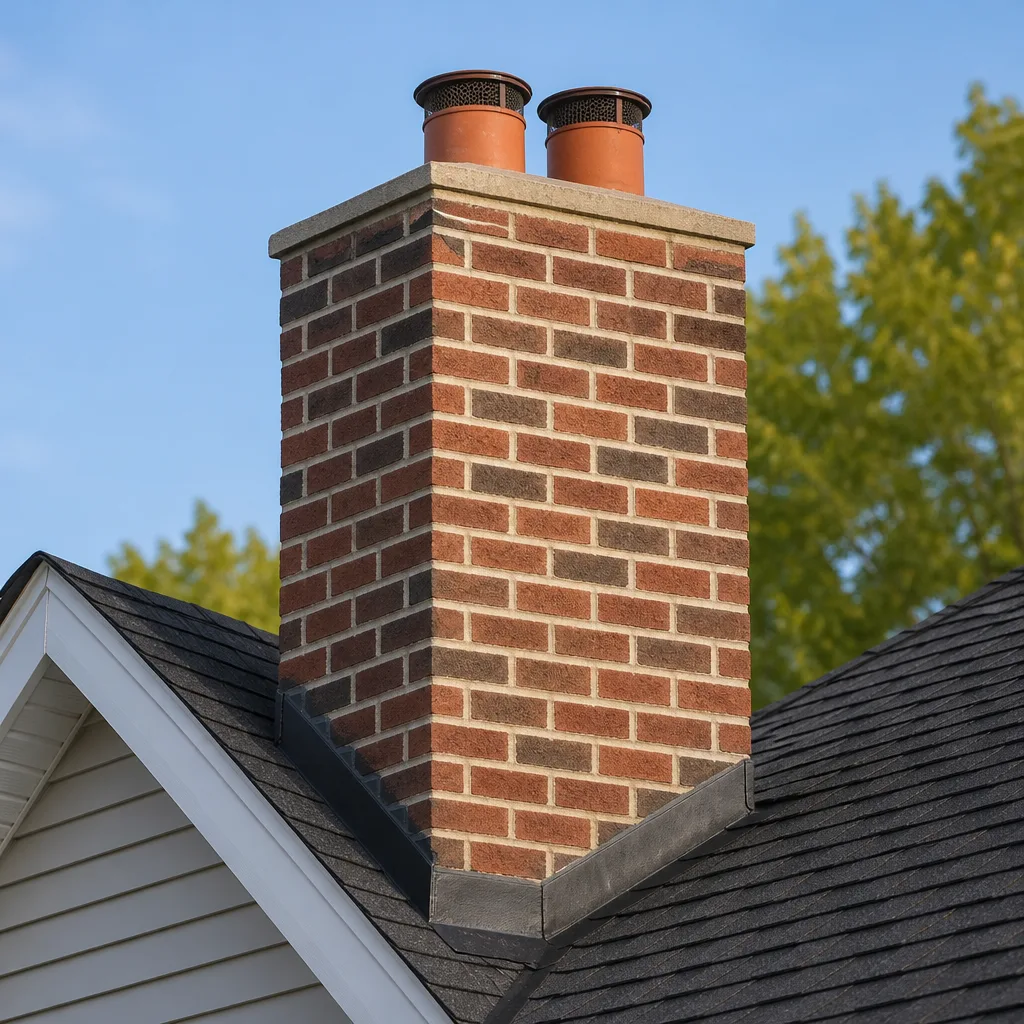 Masonry repair
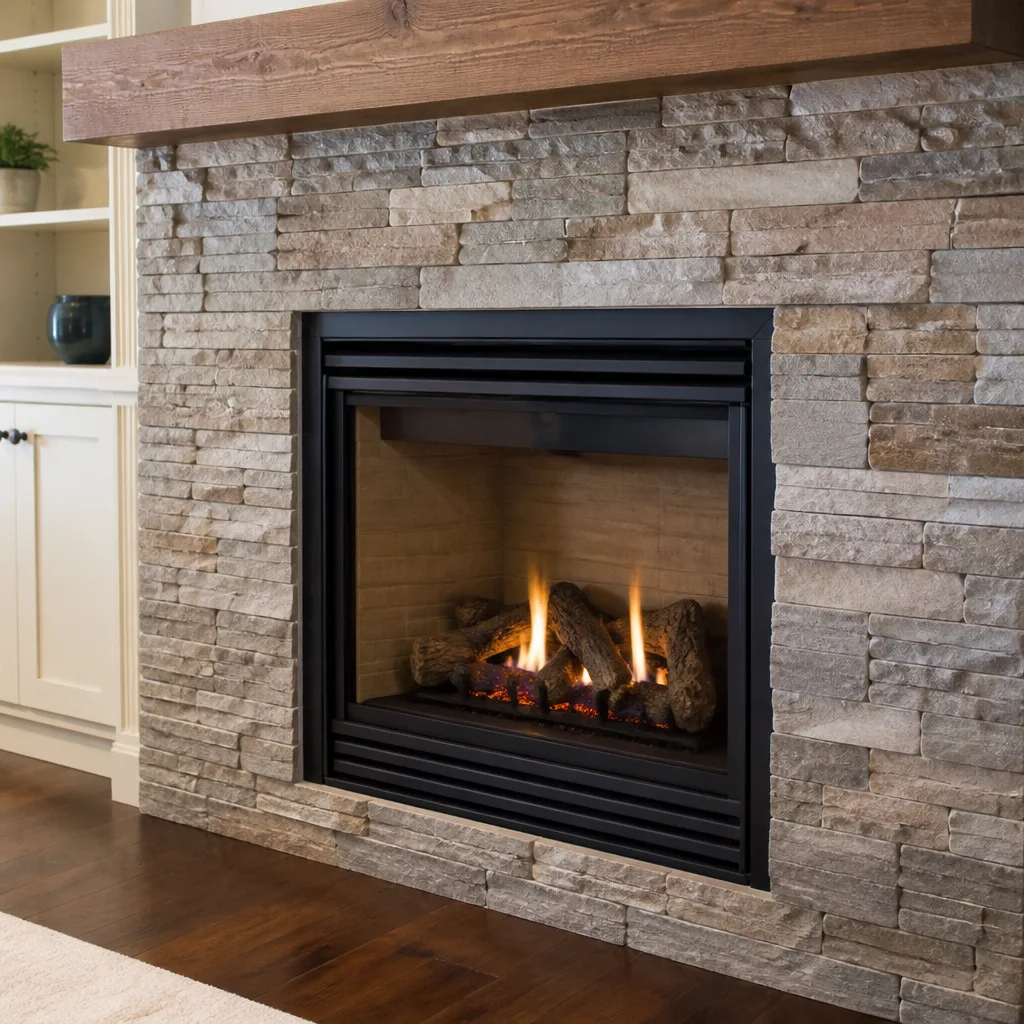 Gas fireplace service
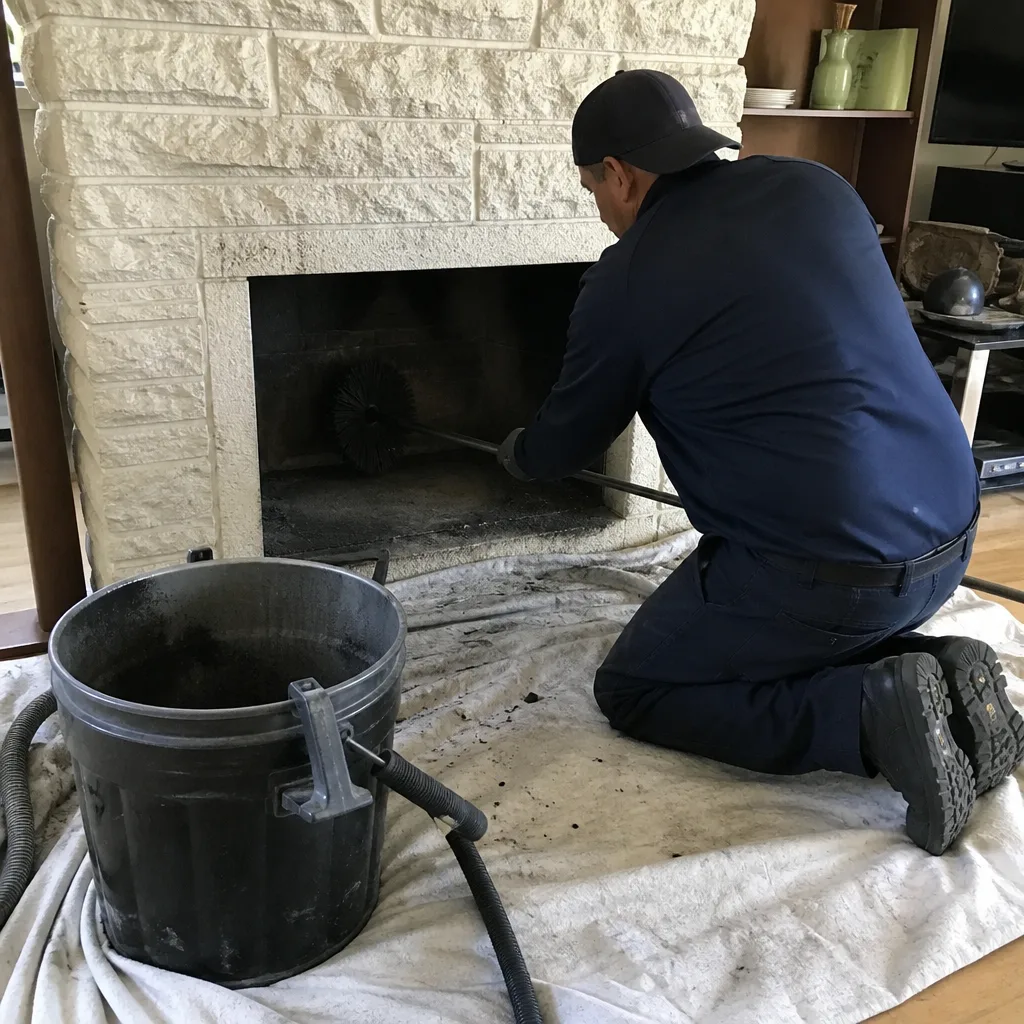
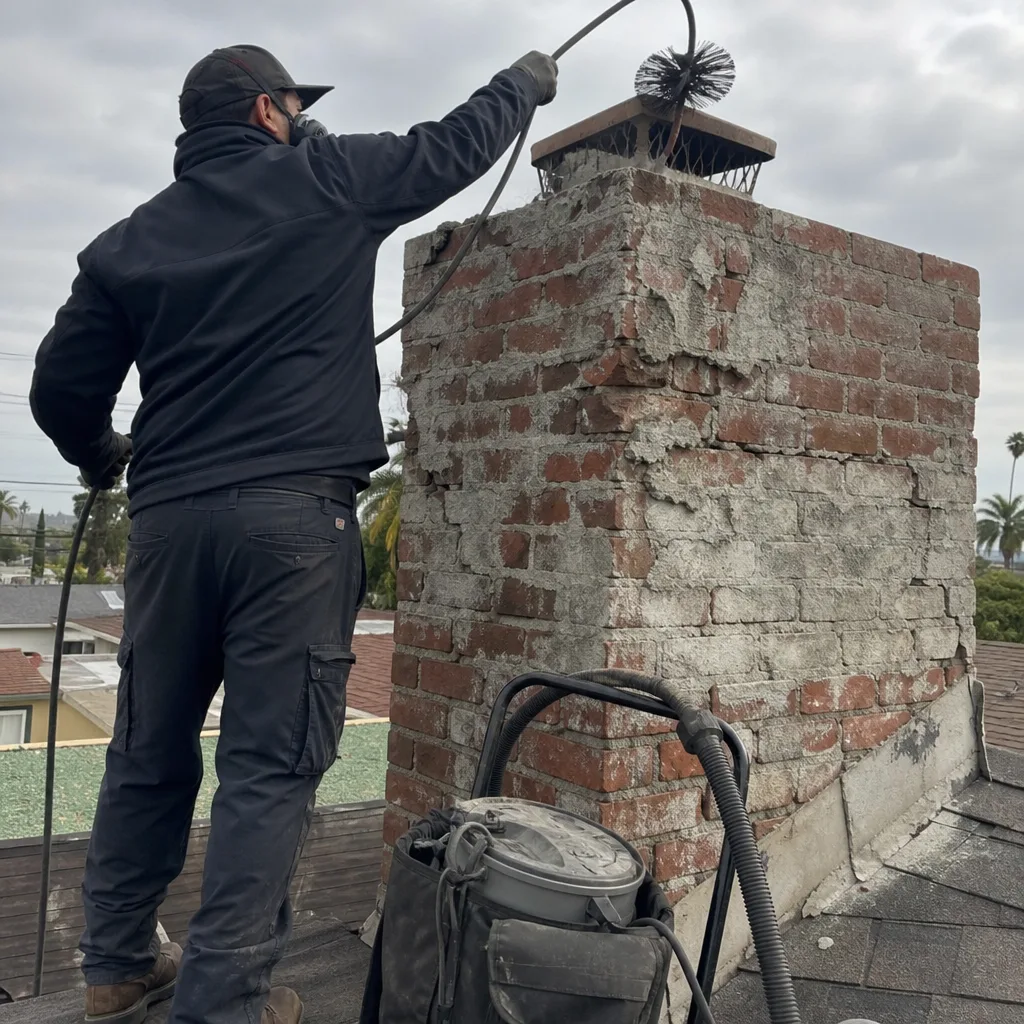
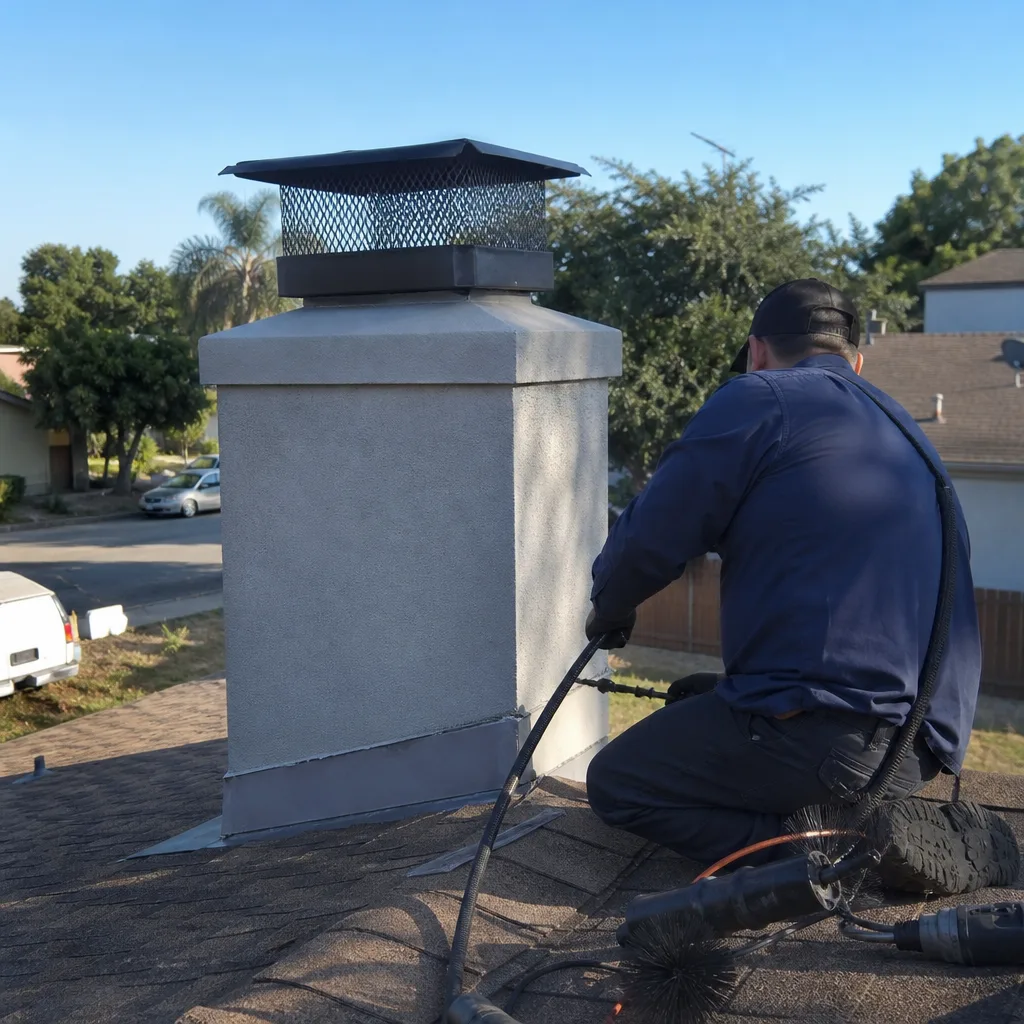
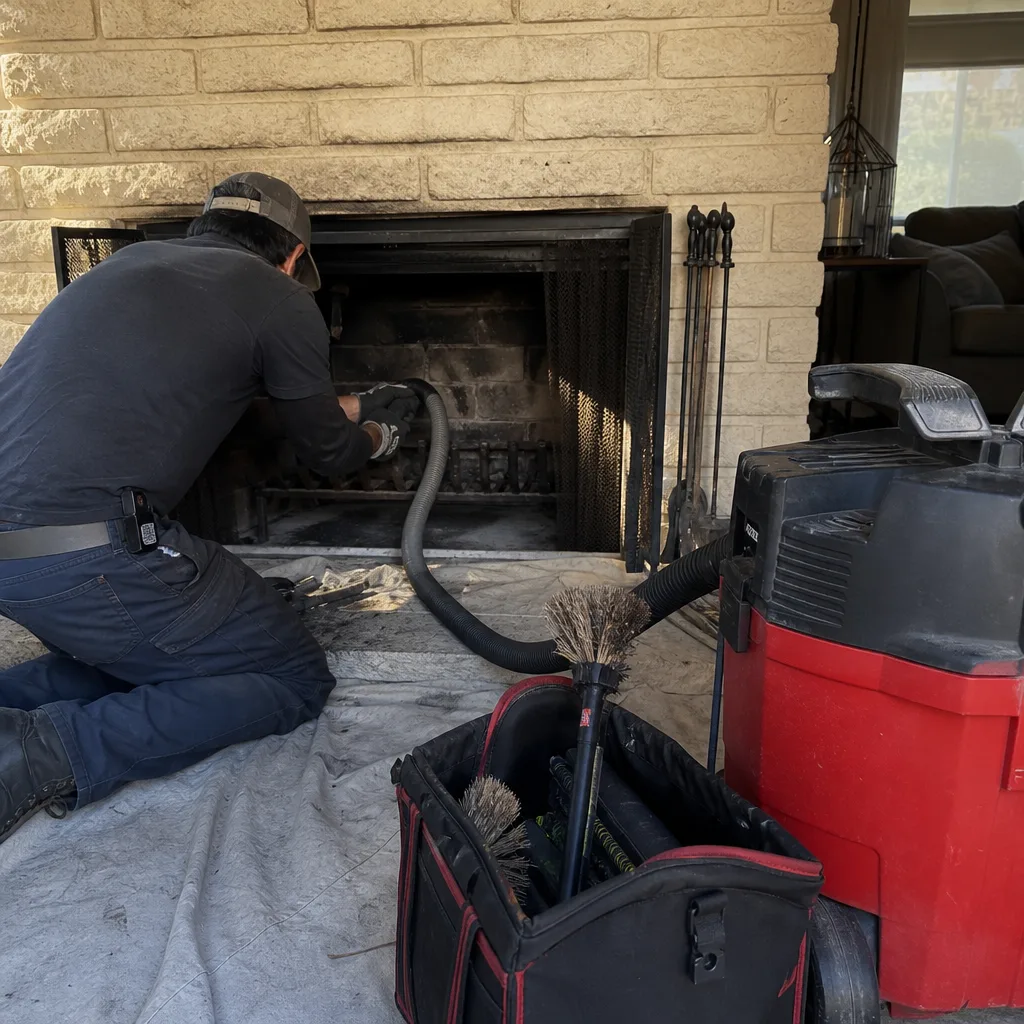
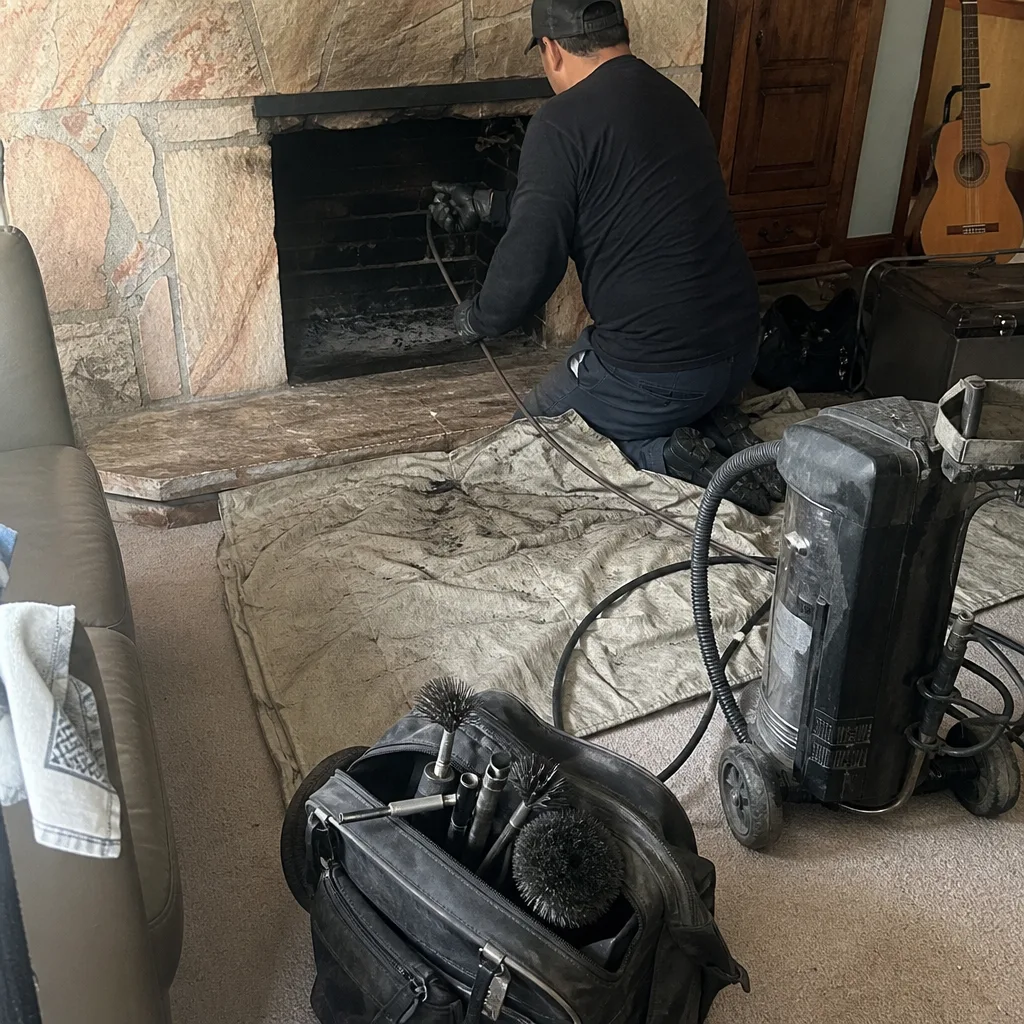
Level 1 sweep and inspection to the NFPA 211 annual standard - flue, crown, cap, and flashing checked and photographed
Chimney sweep logs do not sweep chimneys. They loosen some creosote - which then falls where a brush and vacuum still have to collect it.
Chimney Sweep Troubleshooting: Common Problems and How to Fix Them
A smoky living room doesn’t always mean a dirty flue. In East Los Angeles, where homes range from 1920s Spanish bungalows to 1980s tract builds with airtight modern retrofits, we see homeowners pay for a sweep that changes nothing because the actual culprit is a pressure problem: the house is too tight, the fire can’t get air, and smoke backs into the room instead of drafting up. This guide walks you through what you’re smelling, seeing, and hearing, so you can describe the problem accurately, decide how urgent it is, and avoid paying for work you don’t need. For a deeper dive, see our The Complete Chimney Sweep Guide for East Los Angeles Homeowners.
Styles & brands we work with
Quick Answer
Most chimney problems fall into one of four categories: smoke backdrafting into the room, persistent odor without visible smoke, moisture getting in, or structural damage to brick and mortar. Each symptom has a distinct root cause, and knowing which one you’re dealing with determines whether you need a basic sweep, a repair like HeatShield resurfacing or DuraFlex relining, or a full inspection before you light another fire.
Table of Contents
- Smoke Backdraft: When Smoke Pours Into the Room
- The Three Stages of Creosote: Smell, Appearance, and What to Do
- Odor Without Smoke: The Summer Stink Problem
- Negative Air Pressure: Why Cracking a Window Is Diagnostic, Not a Fix
- Water in the Firebox: Rain, Condensation, or Something Worse
- Spalling Brick and White Efflorescence: Reading Moisture Damage
- Gas Insert Problems: Soot, Odor, and Venting Confusion
- Chimney Cap and Chase Cover Problems: Inspecting From the Ground
- Common Mistakes to Avoid
- When to Call a Professional
- Frequently Asked Questions
- The Bottom Line
Smoke Backdraft: When Smoke Pours Into the Room
Smoke coming into the living room instead of going up the chimney is the most common complaint we hear from East Los Angeles homeowners, and it has at least five distinct causes. The fix depends entirely on which one you’re dealing with, and misdiagnosing it wastes time and money.
Here’s what to check, in order:
- Is the damper actually open? This sounds obvious, but rusted damper mechanisms, warped frames, and partially closed dampers are common. If you see light from the firebox looking up, the damper is open. If you’re not sure, that’s a problem.
- Is the flue cold? A cold flue won’t draft. In East Los Angeles winter mornings, the chimney masonry absorbs overnight cold. Prime the flue by holding a rolled, lit newspaper up near the damper for a minute before lighting the main fire. This warms the air column and gets draft moving upward.
- Is something blocking the flue? Bird nests, raccoon debris, fallen brick, and heavy creosote buildup all restrict airflow. You’ll often hear a rushing sound or see smoke pulsing rather than flowing steadily.
- Is the house too tight? Modern windows, foam insulation, and sealed doors can starve a fireplace of combustion air. If cracking a window near the fireplace causes smoke to clear within 30 seconds, this is your issue. More on this below.
- Is the flue too large for the appliance? Some East Los Angeles homes have original chimneys sized for larger fireplaces, now fitted with a smaller wood stove or gas insert. An oversized flue won’t maintain velocity, and smoke cools and stalls before exiting. The proper fix is a properly sized liner, often a DuraFlex flexible liner system installed to match the appliance’s venting requirements.
If you’ve ruled out items one through four and smoke still backs into the room, stop using the fireplace and call us. Smoke in the living space isn’t just unpleasant; it means combustion gases aren’t venting, and that’s a carbon monoxide exposure risk.
The Three Stages of Creosote: Smell, Appearance, and What to Do
Creosote isn’t one substance; it’s a family of combustion byproducts that changes character as it accumulates. Knowing which stage you have tells you whether a standard sweep will resolve it or whether the flue needs resurfacing or relining. Here’s the breakdown, based on what we see routinely in East Los Angeles fireplaces.
Stage 1: Fresh Soot and Light Flakes
Stage 1 creosote looks like dust or fine black powder and brushes off easily. It forms during hot, efficient burns with dry wood. A standard chimney sweep removes it completely. If you’re burning properly seasoned hardwood like oak or almond and having annual sweeps, this is where your flue stays. No repair needed, just consistent maintenance. See our Chimney Sweep in South San Gabriel page for what a proper sweep includes.
Stage 2: Crusty Glaze or Flaky Buildup
Stage 2 looks like shiny black flakes or a crusty, granulated coating on the flue walls. It forms when fires burn cooler, wood is partially seasoned, or airflow is restricted. A standard brush sweep removes most of it, but a rotary cleaning head may be needed for stubborn sections. Left unaddressed, Stage 2 advances to Stage 3 within a season or two of regular burning.
Stage 3: Glazed, Tar-like Creosote
Stage 3 is the dangerous one. It appears as a thick, shiny, tar-like glaze that resembles baked-on asphalt. It forms from prolonged smoldering fires, unseasoned wood, or restricted air supply. You’ll often notice a strong, acrid odor near the fireplace even when no fire is burning. Brushing alone won’t remove Stage 3 properly. It typically requires chemical treatment followed by mechanical removal, and in many East Los Angeles homes we find that Stage 3 damage has already compromised the flue liner itself. When the liner is cracked or deteriorated, the fix is Chimney Repair in South San Gabriel, often using HeatShield resurfacing to restore the existing liner, or a full DuraFlex reline if the damage is extensive.
Here’s the smell-based identification: Stage 1 has almost no noticeable odor when cold. Stage 2 has a mild smoky smell that fades. Stage 3 smells like a barbecue pit that never got cleaned, even with windows open. If you can smell your fireplace from across the room in August, you’re likely dealing with Stage 2 or Stage 3 creosote.
Odor Without Smoke: The Summer Stink Problem
The classic East Los Angeles chimney problem in August: the fireplace hasn’t been used in months, but the living room smells like a damp campfire. This is odor without smoke, and it has three likely causes, each with a different fix.
Cause 1: Creosote absorbing humidity. East Los Angeles summers bring marine layer moisture that creosote readily absorbs. When creosote gets damp, it off-gasses a sharp, acrid odor that travels down the chimney and into the house. The fix is a thorough sweep to remove the creosote, then addressing any moisture entry points (damaged cap, cracked crown, missing chase cover) to keep humidity out.
Cause 2: Wet ash and debris in the firebox. If rain has gotten into the firebox and left wet ash sitting for weeks, the smell is decomposition, not combustion. Clean out the firebox completely and identify where water entered. Rusty damper hardware and water stains on the firebox floor are telltale signs.
Cause 3: Negative pressure pulling air down the chimney. When the house is sealed tight and exhaust fans are running (bathroom, kitchen, dryer), the house can depressurize and pull air down the chimney instead of letting it rise. This brings chimney odor into every room. The diagnostic step is straightforward: turn on your kitchen exhaust and bathroom fans, close all windows, and stand near the fireplace. If the odor strengthens, you have a negative pressure problem. The real fix involves make-up air, which we discuss below.
One practical step many East Los Angeles homeowners take between sweeps is placing a chimney damper seal or using a chimney balloon to block air movement during months when the fireplace isn’t used. Just remember to remove it before lighting a fire, and know that it treats the symptom, not the moisture source.
Negative Air Pressure: Why Cracking a Window Is Diagnostic, Not a Fix
This is the problem we wish more homeowners understood before paying for a sweep that won’t help. Negative air pressure occurs when a house is expelling more air than it’s taking in. Modern East Los Angeles homes with energy-efficient windows, foam insulation, and sealed doors are especially prone to it. Exhaust fans, dryer vents, and even water heaters drawing combustion air all compete with the fireplace for available air.
When the house is starved for air, the fireplace becomes the easiest place to pull replacement air from. This reverses the draft and sends smoke and odor into the living space.
Here’s the diagnostic sequence we use:
- Close all windows and exterior doors.
- Turn on the kitchen exhaust fan, all bathroom fans, and the dryer.
- Light some incense or a smoke pencil near the fireplace opening.
- Watch the smoke. If it drifts into the room rather than up the chimney, you have confirmed negative pressure.
- Now crack a window near the fireplace about two inches.
- Watch the smoke again. If it reverses and flows upward within 30 seconds, negative pressure is confirmed.
Cracking the window is a diagnostic step, not a solution. It tells you the problem is airflow, not creosote or a blocked flue. The real fixes, depending on the situation, include installing a dedicated make-up air vent sized to the house’s air exchange rate, upgrading to a direct-vent fireplace insert that draws combustion air from outside through its own intake, or installing an exhaust fan interlock that opens a damper when certain fans run.
In East Los Angeles, where many homes have been retrofitted with new windows and added insulation over the decades, we see this problem frequently. The fireplace itself is often fine. The house is too good at holding air. It’s a ventilation problem, not a chimney problem, and the fix belongs in the home’s mechanical system. We can diagnose it during a sweep and tell you what’s actually happening.
Water in the Firebox: Rain, Condensation, or Something Worse
Finding water in your fireplace firebox is never good, but the source matters enormously. Here’s how to tell what’s getting in and where.
Direct rain entry. If water appears during or immediately after rain, and especially if you can see daylight from the firebox looking up, your chimney cap is missing, damaged, or improperly sized. In East Los Angeles, Santa Ana winds can dislodge caps, and the marine layer’s steady moisture makes even a small cap gap a recurring water source. The fix is a properly sized cap, and we recommend caps built by manufacturers like Gelco or Olympia Chimney for durability in coastal air. Copperfield also makes solid copper and steel caps that hold up well.
Condensation. If water appears on cool, foggy mornings even without rain, you’re likely seeing condensation. This happens when warm indoor air meets cold flue walls inside an uninsulated chimney. It’s more common in East Los Angeles homes with exterior chimneys that sit in shade for most of the day. The fix is often an insulated liner, which keeps flue gases warm enough to avoid condensation before they exit. A DuraFlex liner with proper insulation reduces this significantly.
Cricket or flashing leak. Water staining on the ceiling near the chimney or streaks on interior walls near the roofline point to flashing failure or a missing chimney cricket. This is a roofing intersection problem, not a flue problem, and needs a qualified chimney or roofing professional. We inspect flashing during every repair call because a leak here is often misattributed to the chimney itself.
Chase cover failure. If your chimney is a factory-built metal chase with a wood or vinyl exterior, the top cover (called a chase cover) can rust through. Water enters through pinholes and runs down the inside of the chase, often appearing in the firebox even when the cap looks fine from the ground. Replacement covers should be stainless steel, not galvanized. Famco makes replacement covers and caps that we specify regularly for East Los Angeles chases.
Spalling Brick and White Efflorescence: Reading Moisture Damage
Brick chimneys in East Los Angeles face a steady assault from moisture. The morning marine layer, occasional heavy rain, and the thermal cycling of hot fires followed by cool nights all stress masonry over time.
White efflorescence is that chalky, white, crusty deposit you sometimes see on brick faces. It forms when water dissolves mineral salts inside the brick and mortar, migrates to the surface, and evaporates, leaving the salts behind. Efflorescence alone is not structural damage. It’s a sign that water is moving through the masonry. If you see it, the chimney is getting wet, and you should find the source: a cracked crown, failed cap, missing cricket, or deteriorated mortar joints. Ignore the symptom, fix the water entry.
Spalling is different and more serious. Spalling looks like the brick face has popped off or flaked away, leaving a rough, recessed surface. It happens when water inside the brick expands and contracts with temperature changes, eventually fracturing the brick. Spalled brick is structural deterioration. Once it starts, it accelerates because the now-exposed brick interior absorbs water faster. In East Los Angeles, we see spalling concentrated on chimneys that catch morning sun and afternoon rain, which maximizes thermal stress. The fix depends on the extent: isolated spalled bricks get replaced, but widespread spalling often requires rebuilding sections of the chimney above the roofline.
The order of operations matters. If a crown or cap is failing, repair that first so water stops entering. Replacing spalled brick without addressing the water source means the new brick fails the same way in a few years. Then address the masonry. This is a core part of our Chimney Repair in South San Gabriel work, and we follow the same sequence on every East Los Angeles job.
Gas Insert Problems: Soot, Odor, and Venting Confusion
Gas fireplaces and inserts have their own set of troubleshooting signs, and East Los Angeles homeowners with converted fireplaces often run into a few predictable issues.
Black soot on glass or logs. Gas log sets produce soot when the air-to-fuel ratio is off. The most common cause in our area is heavy, dirty glass media or a clogged burner port. If the flame burns mostly yellow and lazy instead of sharp and blue, the gas isn’t burning cleanly. Have the burners cleaned and the air shutter adjusted. Soot buildup also signals that exhaust isn’t venting properly, so check the vent termination outside for blockages.
Gas smell when the unit is off. If you smell gas when the fireplace is not in use, do not light it and do not operate any electrical switches. Call your gas utility immediately. A faint gas odor when the unit lights is normal as the pilot ignites, but a persistent gas smell when off is a leak, and it requires immediate professional attention.
Moisture inside a gas insert. Condensation in a gas insert that’s vented through an existing chimney often points to an uninsulated or oversized flue. Gas burns at lower temperatures than wood, so exhaust cools faster and condenses more readily. This is why proper relining matters: a correctly sized DuraFlex liner for the insert’s BTU output keeps exhaust hot enough to vent fully. In East Los Angeles, we convert wood-burning fireplaces to gas inserts regularly, and proper liner sizing is the difference between a unit that works for decades and one that corrodes from the inside.
Gas inserts are not maintenance-free. They need annual service: burner cleaning, pilot check, glass gasket inspection, and vent verification. A gas insert that burns clean and vents properly is a safe, efficient heat source. One that’s been ignored for years is a carbon monoxide concern.
Chimney Cap and Chase Cover Problems: Inspecting From the Ground
Many homeowners never look at their chimney from above, and most of the problems we find on East Los Angeles roofs are completely invisible from the ground. Here’s what to check without climbing a ladder, and what to look for if you can see your chimney from a second-story window or neighboring roof.
From the ground: Look for rust staining on the chimney exterior, especially at the top. Rust streaks mean a galvanized cap or chase cover is failing and the water is now running down over the masonry or siding. Also look for bird activity: starlings and sparrows nest in uncapped flues throughout East Los Angeles, and their nesting material is both a fire hazard and a block to proper venting. If you see birds flying into or out of your chimney, you need a cap with proper screening.
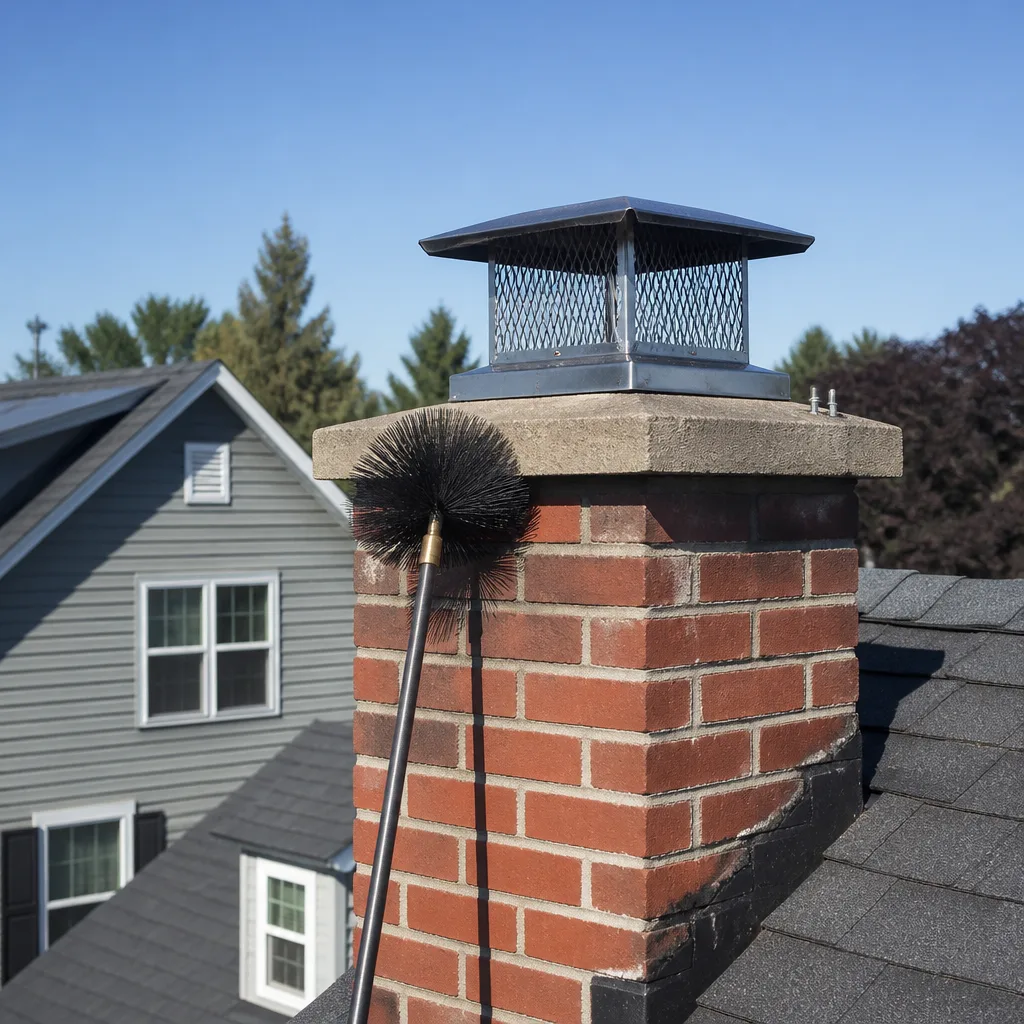
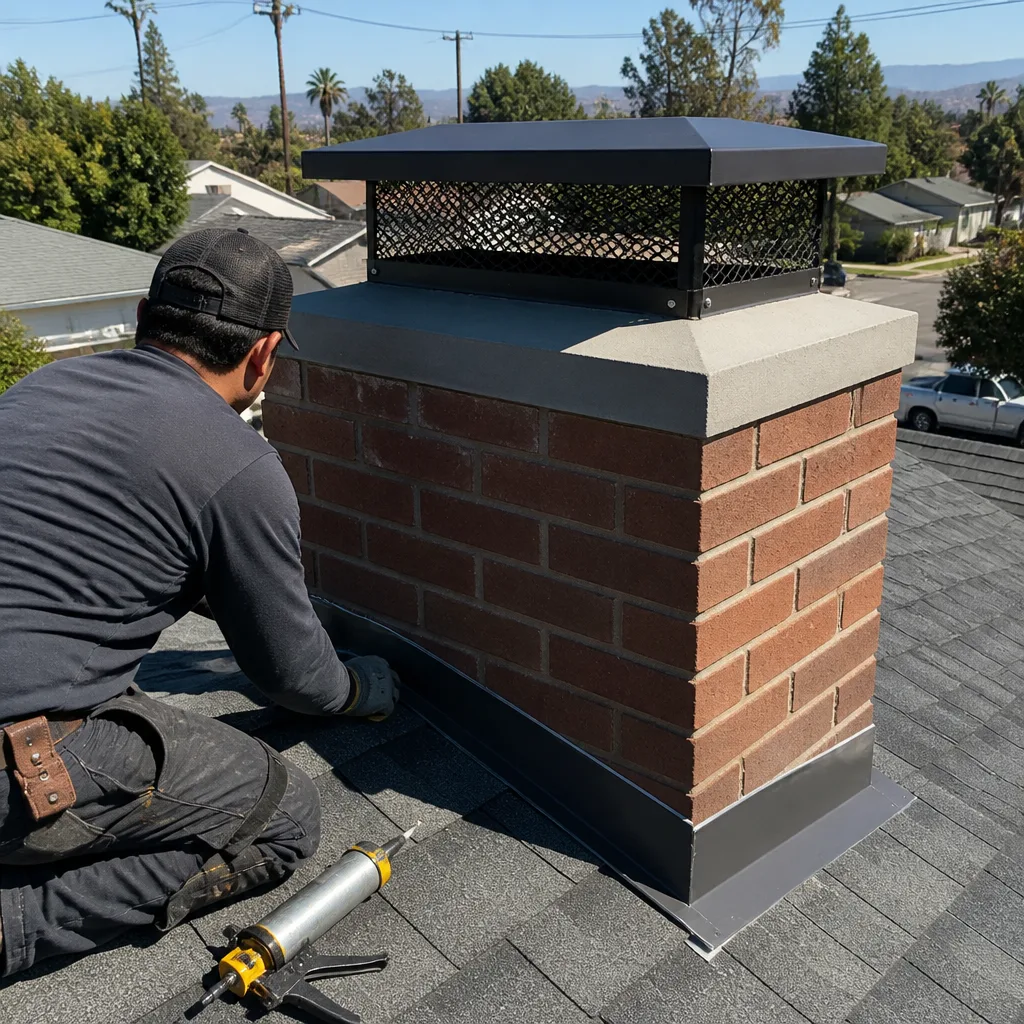
From a second story or ladder: Check the cap’s mesh screen for clogging. The fine mesh on many caps catches creosote and dust, especially on wood-burning chimneys, and can become so clogged that it blocks draft. If you can see buildup on the mesh, the cap needs cleaning or replacement. Check the crown (the concrete top of masonry chimneys) for cracks. Hairline cracks expand with every rain cycle and are the leading source of water entry into East Los Angeles masonry chimneys.
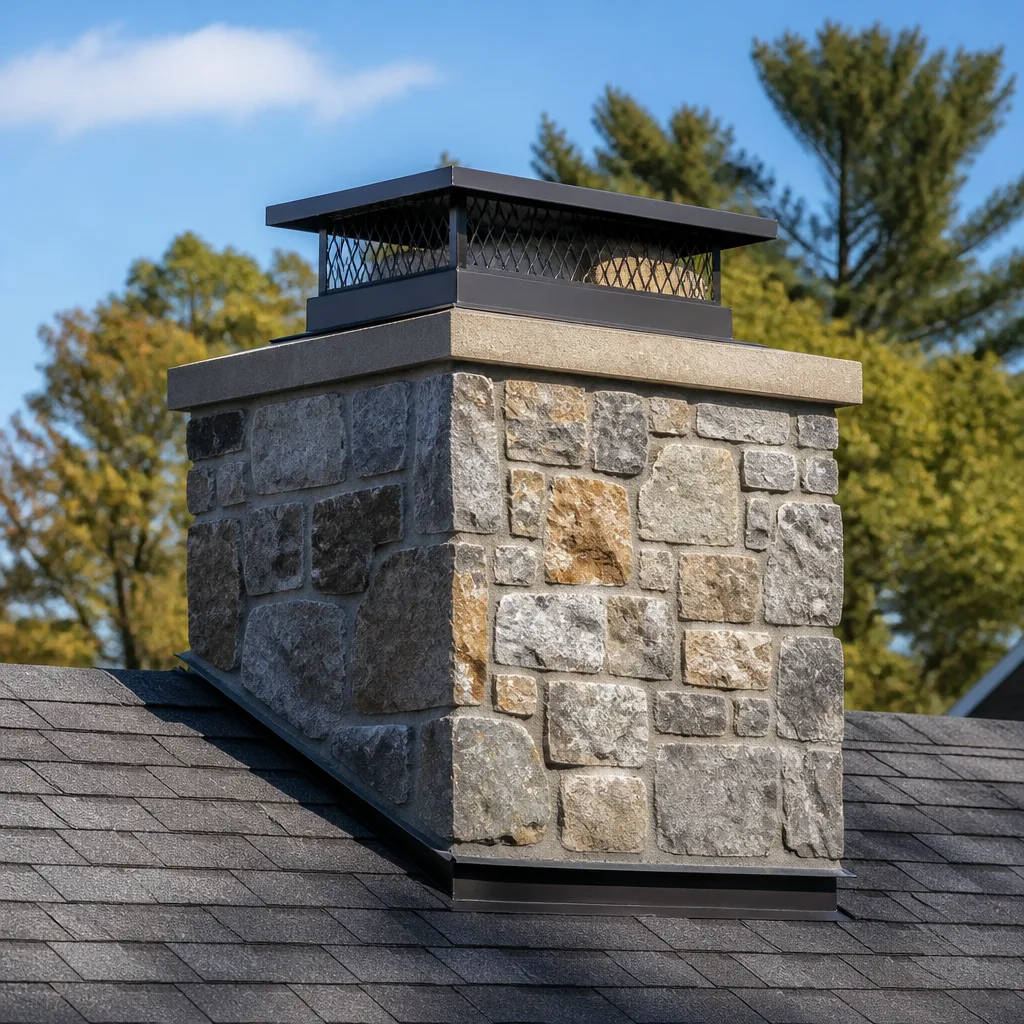
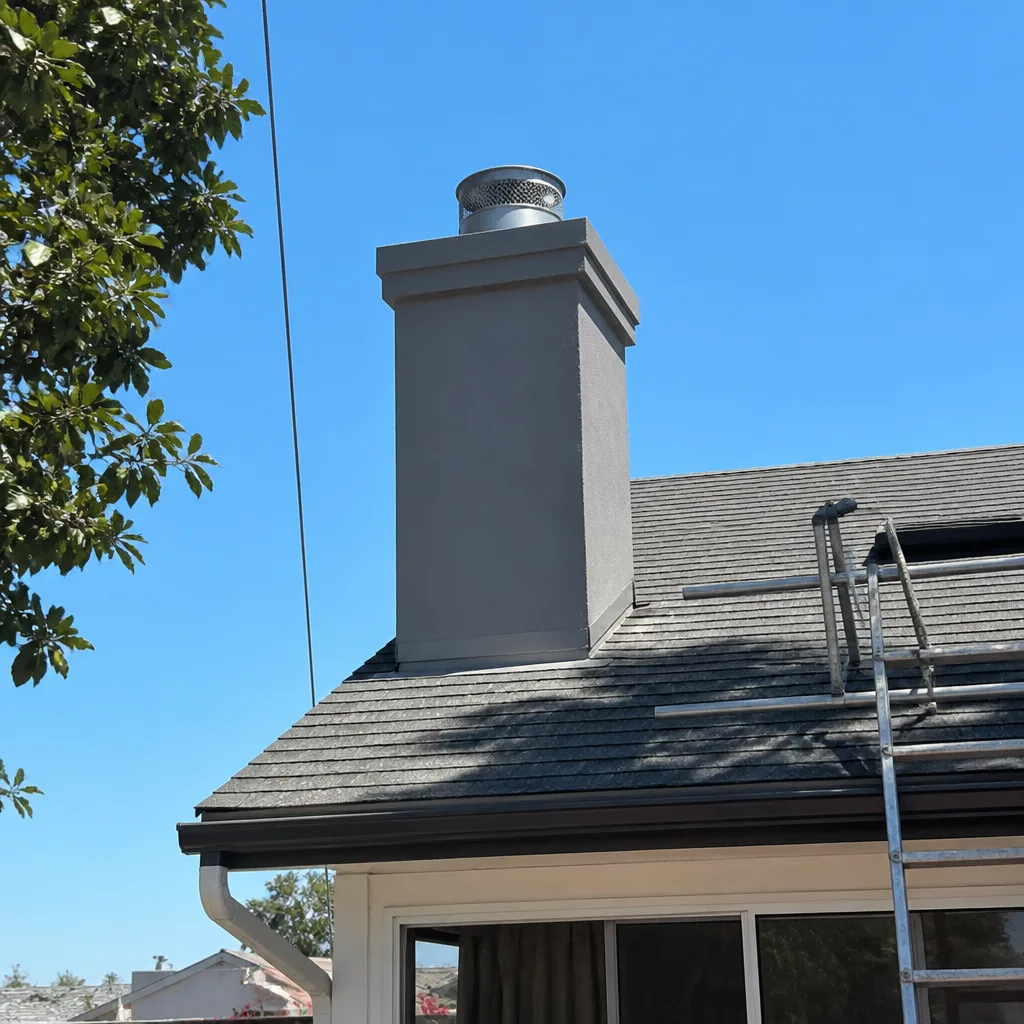
The cap and crown are the chimney’s first line of defense against water. In our experience, most chimney water problems start at the top, not the flue. A properly installed cap from a manufacturer like Gelco or Olympia Chimney, paired with a sound crown, prevents most of the moisture issues that lead to spalling, efflorescence, and firebox water. Our complete Hickory Chimney Sweep home page covers how we approach chimney inspection and maintenance as a full system, not isolated pieces.
Common Mistakes to Avoid
- Paying for a sweep before diagnosing the actual problem. If you have smoke backdraft caused by negative pressure, a sweep changes nothing. Do the five-step diagnostic first, or have us inspect before you commit to any work.
- Ignoring Stage 2 creosote because the fireplace still works. Stage 2 is the window where a sweep fully resolves the problem. Wait for Stage 3 and you’re looking at HeatShield resurfacing or a DuraFlex reline, both more invasive and more expensive than a sweep.
- Painting over efflorescence without fixing the water source. The paint fails within a year, and the underlying moisture problem continues to deteriorate the masonry. Remove the efflorescence, find the water entry, fix it, then address cosmetics.
- Using galvanized chase covers as replacements. Galvanized steel is cheaper but rusts through in coastal air like East Los Angeles in a few years. Stainless steel costs more upfront and lasts decades.
- Burning unseasoned wood because it was available. Green wood smolders, produces more creosote, and creates more smoke. East Los Angeles homeowners who buy cheap, wet firewood from corner lots end up with Stage 2 and Stage 3 creosote far faster than those who burn properly seasoned hardwood.
- Relying on chimney deodorizers or baking soda to “clean” a chimney. These products treat odor, not the buildup causing it. The only thing that removes creosote is mechanical cleaning by a professional.
- Ignoring dryer vent build-up because it’s not a chimney problem. Dryer vents are the other leading fire source in the home, and lint builds up just like creosote. Our Dryer Vent Cleaning in South San Gabriel page explains how lint fires start and how to prevent them.
When to Call a Professional
There are problems you can diagnose yourself, and then there are problems that require an immediate lockout of the fireplace and a professional inspection. If you see flames entering any gap in the firebox walls or flue, if smoke comes through the wall or ceiling during a fire, if you find large amounts of water in the firebox after rain, or if you smell sulfur or gas near the fireplace, stop using it immediately. These are not maintenance issues. They are structural and potentially life-threatening.
If your chimney hasn’t been inspected in the past year, or you’ve recently noticed any of the symptoms in this guide, start with a professional Chimney Sweep and inspection. Hickory Chimney Sweep offers free estimates in East Los Angeles and South San Gabriel, call (855) 554-2841 to schedule.
Frequently Asked Questions
If smoke drafts properly, you have no odor when the fireplace is cold, and you haven’t used the chimney heavily, a routine sweep is likely all you need. If you have smoke backdraft, water entry, visible brick damage, or Stage 2 or Stage 3 creosote buildup, you need a repair assessment first. In East Los Angeles, we inspect during every sweep and only recommend repairs when camera evidence confirms the problem.
Summer chimney odor is almost always creosote absorbing humidity from the East Los Angeles marine layer and off-gassing into the house. A thorough sweep removes the creosote, and fixing any water entry points prevents the humidity from returning.
Chimney sweep pricing in East Los Angeles typically runs between $150 and $350 depending on the size of the flue, the type of appliance, and the condition of the chimney. If Stage 2 or Stage 3 creosote is present, additional treatment time adds to the cost. Call (855) 554-2841 for an exact quote, estimates are free.
You can remove ash from the firebox, but cleaning the flue properly requires brushes sized to your flue, an understanding of creosote types, and safe access to the roof. Most East Los Angeles homes have roof pitches that make DIY chimney access dangerous. For safety and thoroughness, professional cleaning is the better choice.
A sweep is the physical cleaning of the flue. An inspection is a structural assessment of the entire chimney system: cap, crown, flashing, firebox, damper, and liner. At Hickory Chimney Sweep, we perform the inspection as part of the sweep visit because we believe you can’t clean what you haven’t seen. Explore more guides & resources on our blog.
Yes, but differently than a wood-burning fireplace. Gas appliances produce corrosive condensation instead of creosote, and the venting system needs annual inspection for corrosion, blockages, and proper draft. A gas fireplace that’s ignored for years is a carbon monoxide risk, even if it appears to burn fine.
The Bottom Line
Chimney problems in East Los Angeles follow predictable patterns: smoke backdraft means either a draft problem or a pressure problem, odor means creosote or moisture, water means a top-of-chimney failure, and brick damage means water has been entering for longer than you realized. Most issues are fixable with the right diagnosis and the right approach, which sometimes means a sweep, sometimes means HeatShield or DuraFlex repair work, and sometimes means a mechanical ventilation fix that has nothing to do with the chimney at all. Start by identifying what you’re seeing, smelling, and hearing. Then call a professional who can confirm what’s actually going on before any work begins.
Written by the team at Hickory Chimney Sweep, serving East Los Angeles since 2013.
See the difference
 Before
 After
 Before
 After
 Before
 After