
Last updated October 31, 2026
 Sweep & inspection
 Caps & crowns
 Flue relining
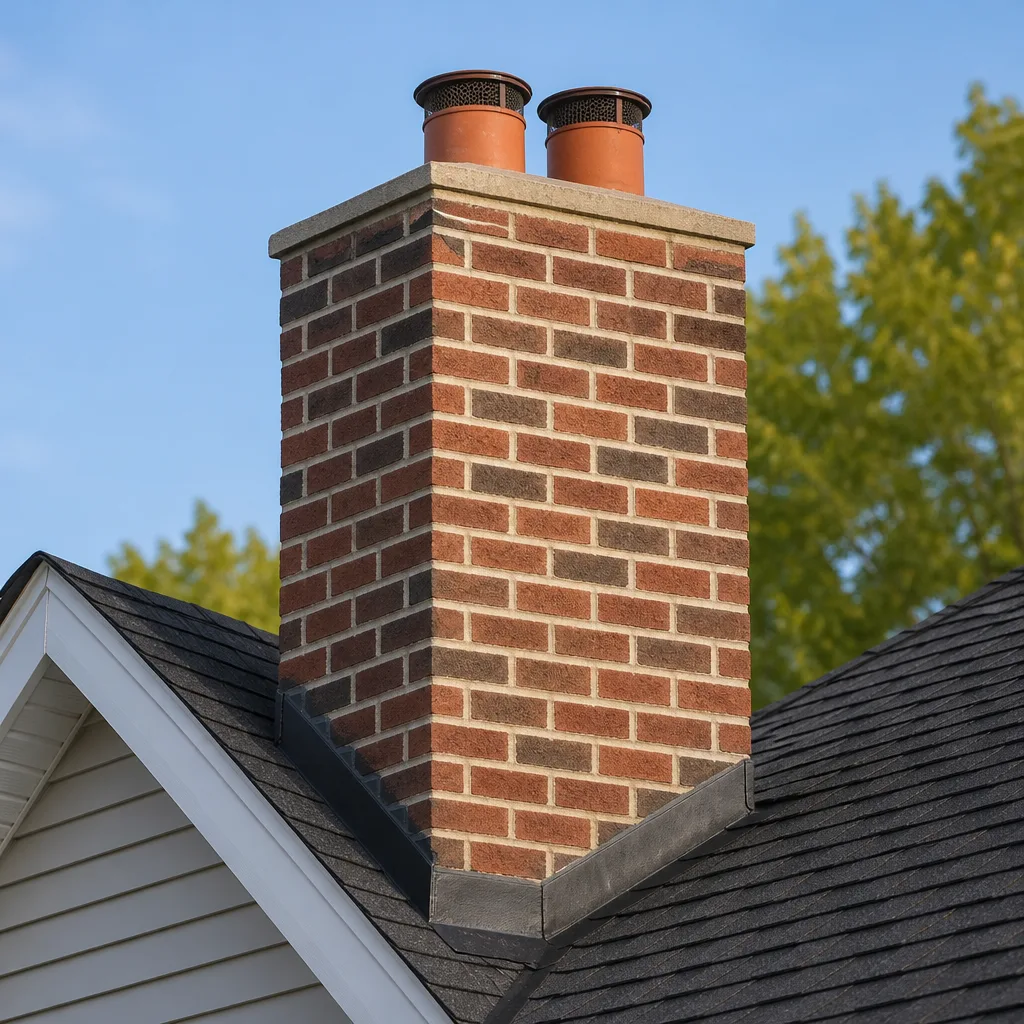 Masonry repair
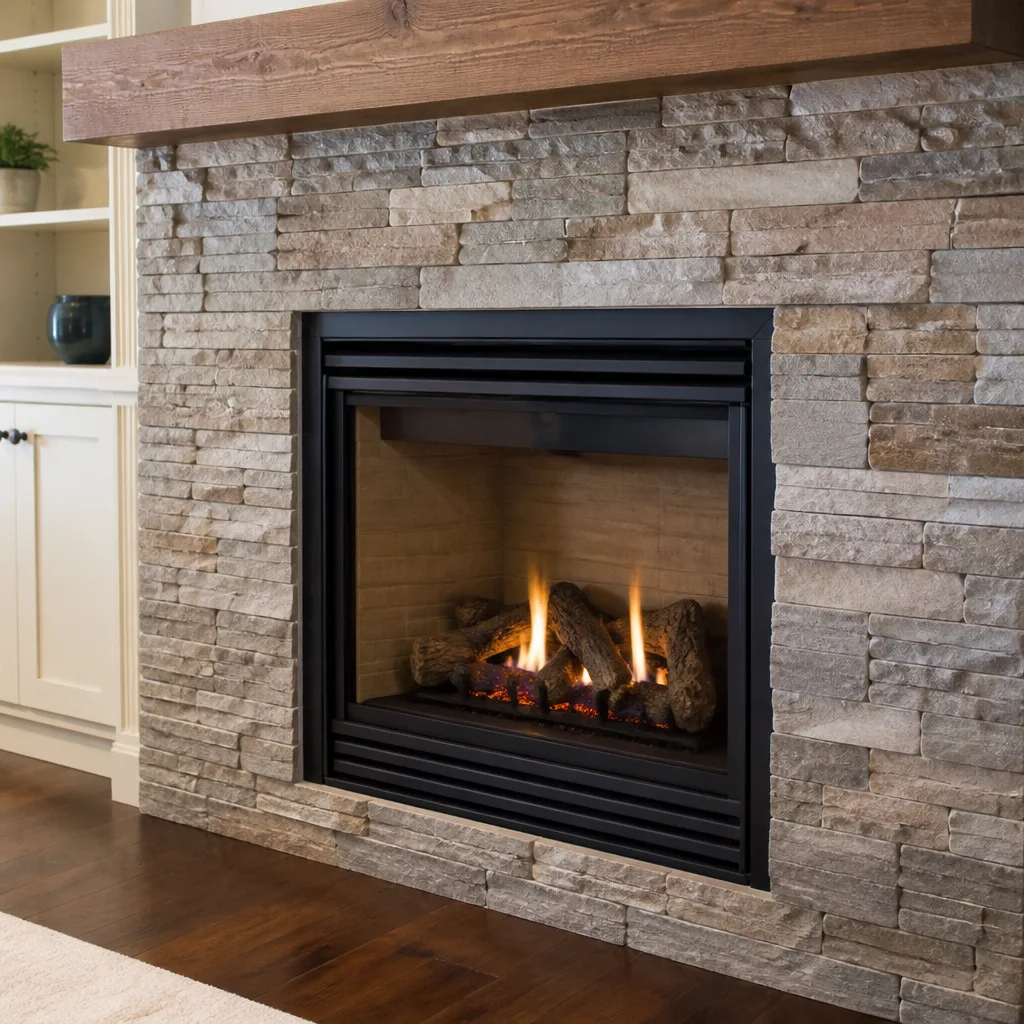 Gas fireplace service
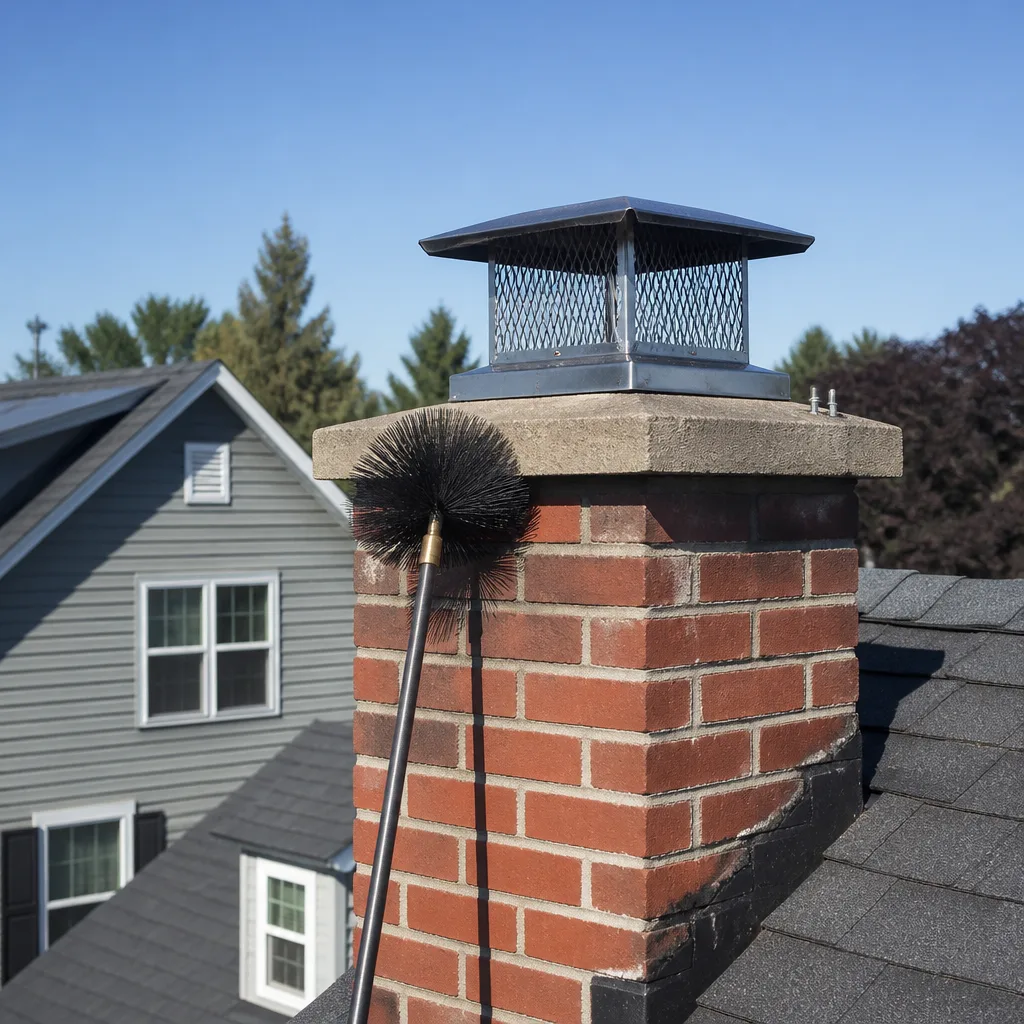
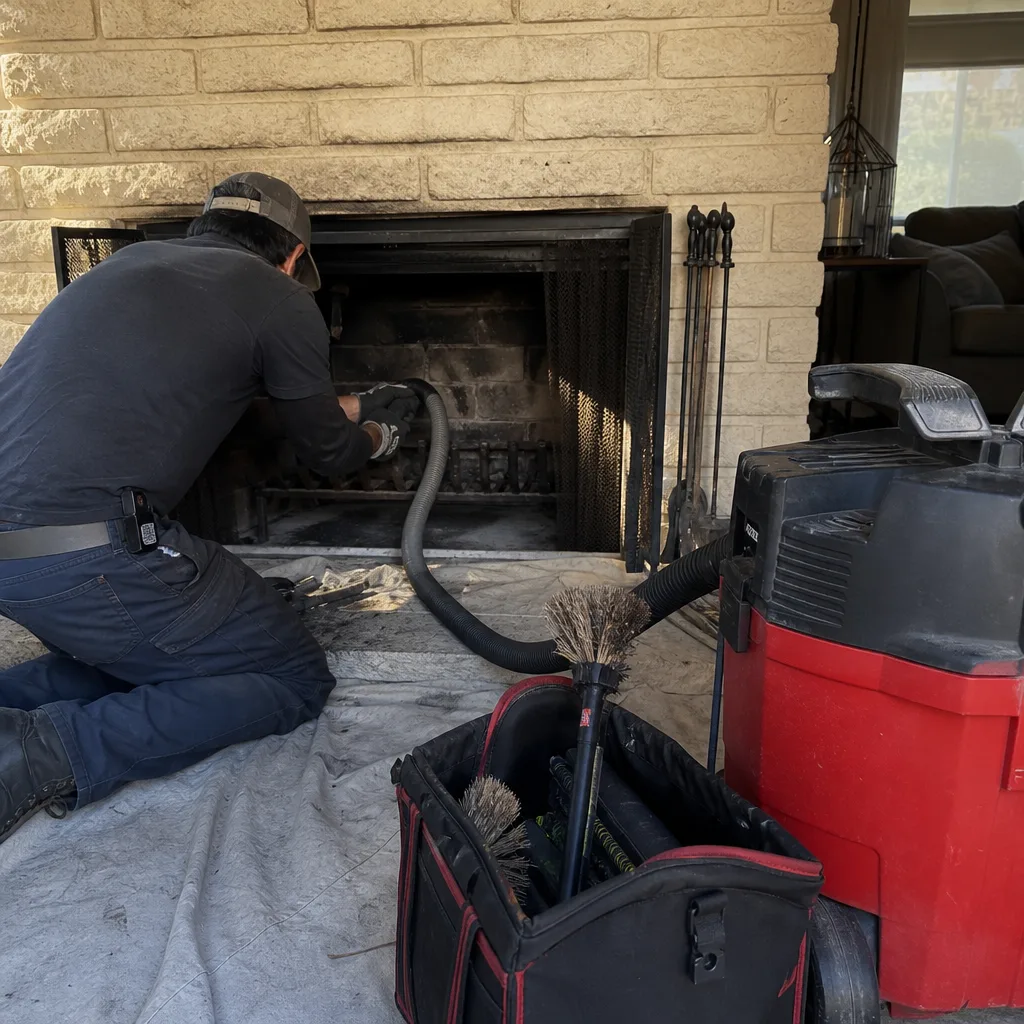
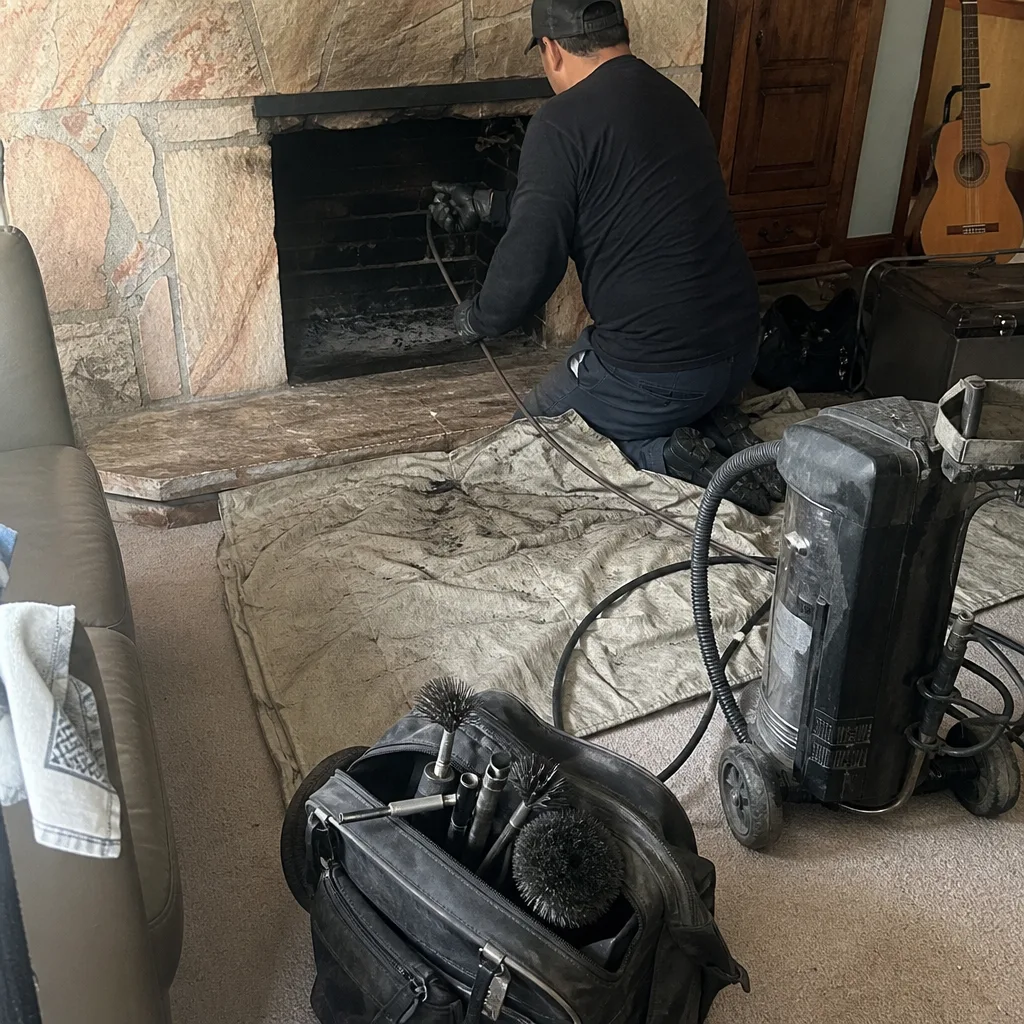
Level 1 sweep and inspection to the NFPA 211 annual standard - flue, crown, cap, and flashing checked and photographed
Chimney sweep logs do not sweep chimneys. They loosen some creosote - which then falls where a brush and vacuum still have to collect it.
Choosing the Right Chimney Cleaning Brand: A Buyer’s Guide for East Los Angeles
Most homeowners in East Los Angeles assume all chimney sweeps use the same equipment and materials. They don’t. The brands a contractor stocks on their truck tell you whether you’re hiring someone who can diagnose a flue problem and fix it that afternoon, or someone who will hand you a report and a referral. When a technician mentions HeatShield or DuraFlex by name and explains why they chose it for your specific flue type, that’s not a pitch. It’s the difference between a technician and a parts-swapper, and it predicts the quality of the repair you’re about to get. Our Complete Guide to Chimney Cleaning in East Los Angeles explains how to evaluate services through the lens of the materials they actually use.
Styles & brands we work with
Quick Answer
The right chimney cleaning brand for your East Los Angeles home is one that stocks professional-grade materials like HeatShield, DuraFlex, and Copperfield products, performs repairs in-house rather than referring them out, and can explain why a specific liner system or resurfacing compound fits your flue condition. A sweep-only operator will clean your chimney but won’t be able to fix what they find. A full-scope fire-safety company handles cleaning, repair, and dryer vent service under one roof, which means one call covers the two most common appliance-fire risks in your home.
Table of Contents
- The Real Choice: Service Models, Not Price Tags
- What Material Brands Reveal About a Contractor
- DuraFlex Liner Systems: Stocked vs. Ordered
- HeatShield Resurfacing vs. Full Liner Replacement
- Why Copperfield Caps and Dampers Matter in East LA
- Three Questions That Separate Material Experts from Name-Droppers
- The Single-Vendor Advantage: Chimney and Dryer Vent Together
- What East Los Angeles Homeowners Specifically Should Know
- Common Mistakes to Avoid
- When to Call a Professional
- Frequently Asked Questions
- The Bottom Line
The Real Choice: Service Models, Not Price Tags
When East Los Angeles homeowners search for the DIY vs Professional Chimney Cleaning approach, most compare quotes and assume that’s the whole decision. We’ve watched that approach produce buyer’s remorse too many times. What you’re actually choosing between are three fundamentally different business models.
The sweep-only operator. This technician shows up with brushes, a vacuum, and inspection tools. They clean the chimney, document what they see, and if they find a cracked flue tile, a rusted damper, or a deteriorated liner, they hand you a referral to someone else. The cleaning may be fine. The problem is what happens next: you start over with a new company, new scheduling, new pricing, and a new technician who hasn’t seen your chimney firsthand.
The repair-focused contractor. This company installs liners and rebuilds chimneys but treats cleaning as a lead generator rather than a core service. They’ll sweep, but their eye is on the bigger invoice. The risk: you may be sold a repair you don’t need because that’s what they’re built to sell.
The full-scope fire-safety specialist. This is the model that stocks professional-grade materials, performs cleanings, handles repairs, and extends the same fire-safety lens to dryer vents. When a technician from this kind of company finds a problem during a sweep, they can quote the fix, explain the material options, and often complete the repair because the components are already on the truck. In East Los Angeles, where chimneys handle a mix of wood-burning fireplaces, gas inserts, and wood stoves, the full-scope model prevents the most common failure we see: a documented problem that never gets fixed because the handoff drops it.
Price matters, but a quote only tells you what the visit costs. It doesn’t tell you whether the visit will end with a solved problem or a to-do list. For a deeper look at how our own service model addresses this, start with the Hickory Chimney Sweep home page.
What Material Brands Reveal About a Contractor
Builders and certified chimney professionals don’t buy from hardware stores. They buy from professional trade suppliers. The brands on the truck are a window into whether the contractor is plugged into that professional supply chain or improvising with consumer-grade parts.
We stock and install materials from six professional-trade brands: DuraFlex, HeatShield, Gelco, Olympia Chimney, Famco, and Copperfield. These are the names that appear on specs written by certified chimney inspectors. They’re not what you’ll find in the aisle at a big-box retailer, and that’s deliberate. A contractor who sources from consumer retail is signaling that they either don’t do repair work or don’t know the difference in material specifications.
Here’s what each brand family represents in practical terms:
- DuraFlex – flexible stainless steel liner systems for full chimney relining, specified by certified professionals for wood-burning and gas applications.
- HeatShield – a Cerfractory resurfacing system for repairing damaged flue liners without a full teardown.
- Gelco – termination and ventilation components, including caps and related exterior protection.
- Olympia Chimney – liner, cap, and damper solutions used across both new installs and repairs.
- Famco – ventilation termination products that cover proper exterior protection.
- Copperfield – professional-grade chimney caps, dampers, and associated components built for durability.
For East Los Angeles specifically, material choice is not cosmetic. The region’s combination of Santa Ana wind events, seasonal moisture, and the fine debris from mature landscaping puts real stress on chimney exteriors. A hardware-store cap will fail faster than a professional-grade Copperfield cap, and the difference is visible within a few seasons.
DuraFlex Liner Systems: Stocked vs. Ordered
Here’s a scenario we’ve seen play out across East Los Angeles neighborhoods. A homeowner’s chimney inspection reveals a deteriorated clay tile liner. The contractor says they can reline it. What they don’t say is that they don’t stock liner material, so they’ll need to order it. The order takes a week or two. The homeowner schedules around it. Then the material arrives, and if it’s the wrong gauge or diameter, the process restarts. Meanwhile, the chimney sits out of service during the coldest stretch of the year.
Now consider the same scenario with a contractor who stocks DuraFlex flexible liner systems. The material is on hand. The technician can measure the flue, confirm the right diameter and gauge for the appliance type, and complete the relining. Lead time goes from weeks to days. Accountability doesn’t get scattered across a distributor, a freight company, and a manufacturer’s backorder list. It stays with the contractor who quoted the job.
DuraFlex is a flexible stainless steel liner system that certified professional installers choose because it’s designed and tested for the specific conditions of active chimneys. It’s not a universal product. Different appliance types, fuel types, and flue dimensions call for different liner specifications. When a contractor stocks DuraFlex, they’re not just carrying inventory. They’re carrying a range of solutions and the expertise to match the right one to your chimney. That’s a repair capability signal, not a sales talking point.
HeatShield Resurfacing vs. Full Liner Replacement
One of the most important things a chimney technician can do is tell you when a repair is the right call and when a full replacement is genuinely necessary. This is where HeatShield enters the conversation, and where the difference between a technician and a parts-swapper becomes obvious.
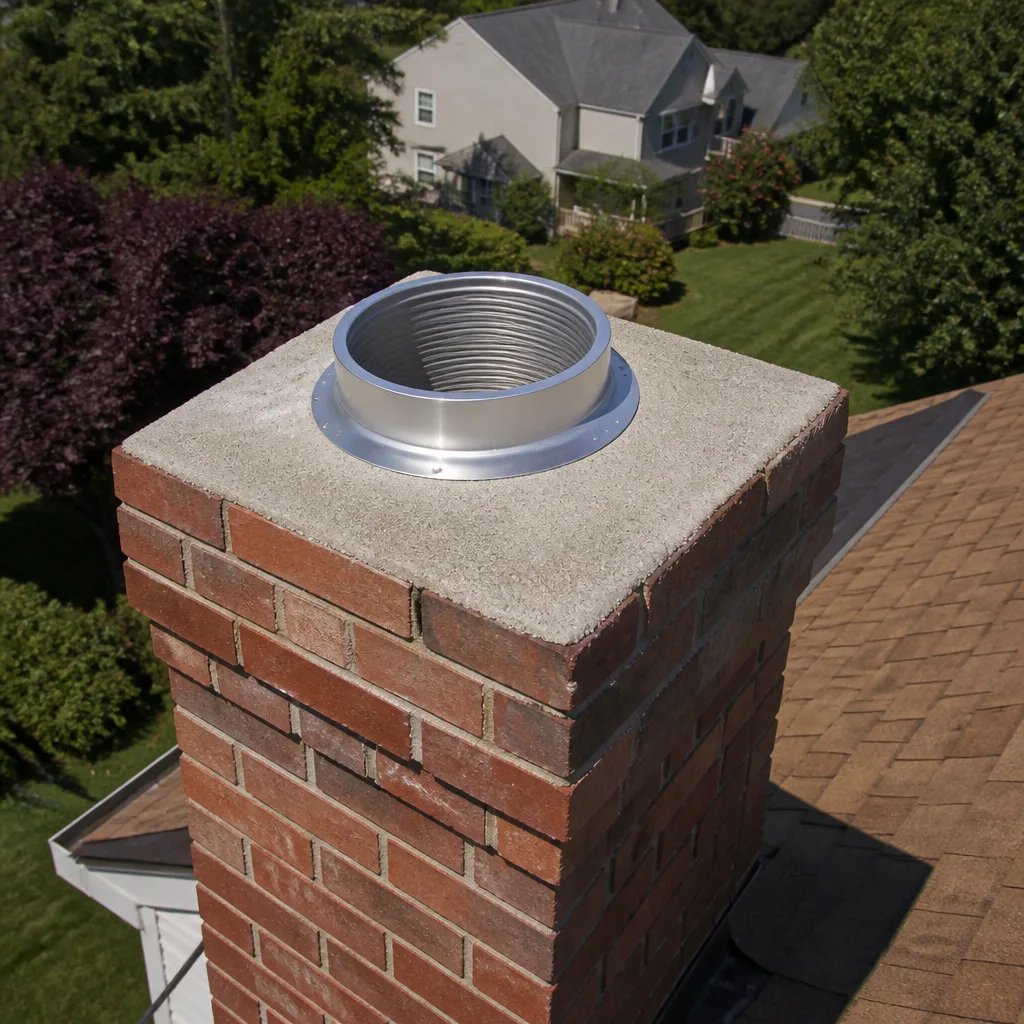
HeatShield is a Cerfractory resurfacing system. It’s designed to repair damaged flue liners by restoring the interior surface, sealing cracks, gaps, and spalling in clay tile liners. It’s not a patch. It’s a specialized repair technique that, in the right application, avoids the cost and disruption of a full liner replacement.
The key phrase is “in the right application.” Here’s how a material-knowledgeable technician evaluates it:
- Assess the extent of damage. Minor spalling, hairline cracks, or small gaps between tile sections are candidates for HeatShield resurfacing.
- Evaluate the chimney’s overall structure. If the masonry itself is sound and the liner damage is localized, resurfacing is the correct, less invasive fix.
- Check for level of deterioration. If the liner is largely intact but showing surface deterioration, HeatShield seals and restores the flue liner without removing it.
- Consider a full reline when needed. If the liner has collapsed, separated significantly, or is missing in sections, a DuraFlex flexible liner replacement is the appropriate solution.
A parts-swapper will default to whatever their profit margin favors. A technician will walk you through the flue condition and explain why one path is correct. In our experience in East Los Angeles, we’ve recommended HeatShield resurfacing when it’s the right repair, and we’ve also told homeowners plainly when a liner is too far gone for anything short of a full DuraFlex reline. The customer should never have to guess whether the recommendation serves their chimney or the contractor’s schedule.
Why Copperfield Caps and Dampers Matter in East LA
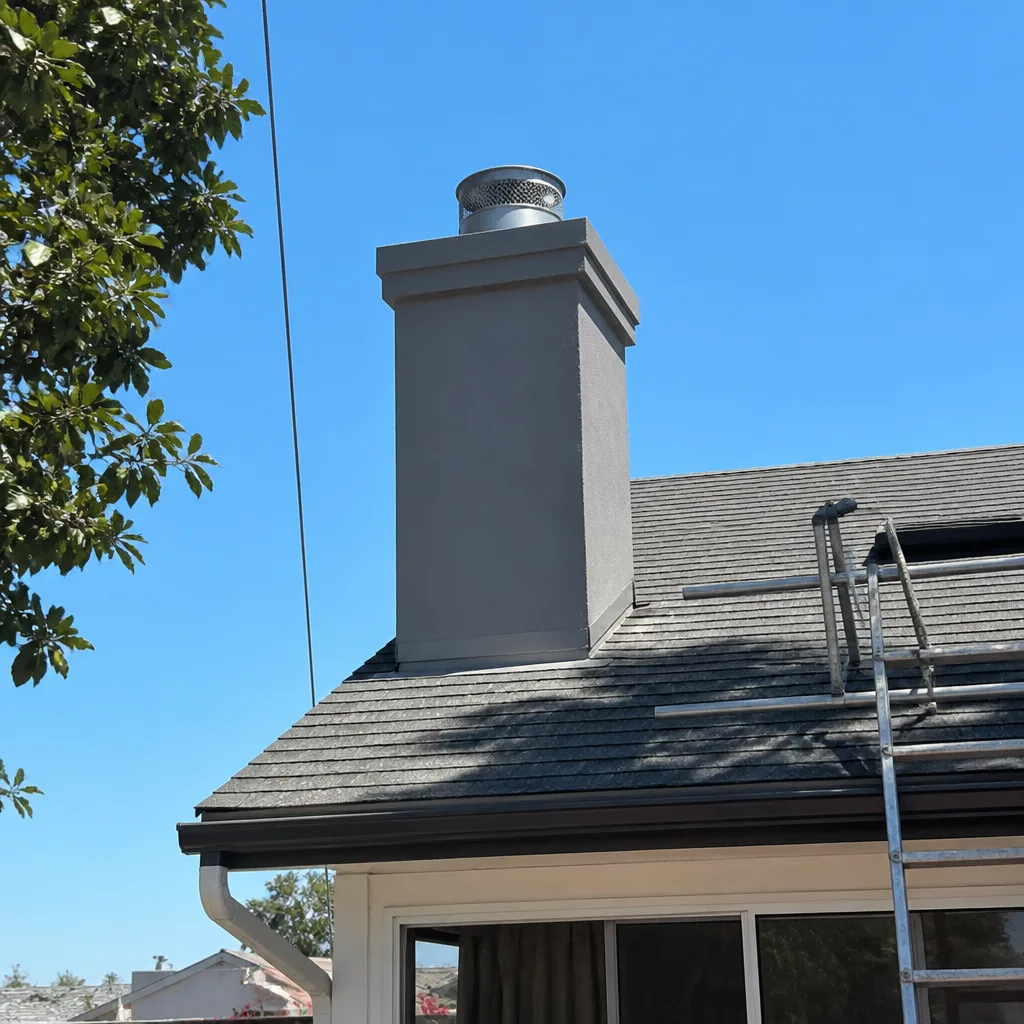
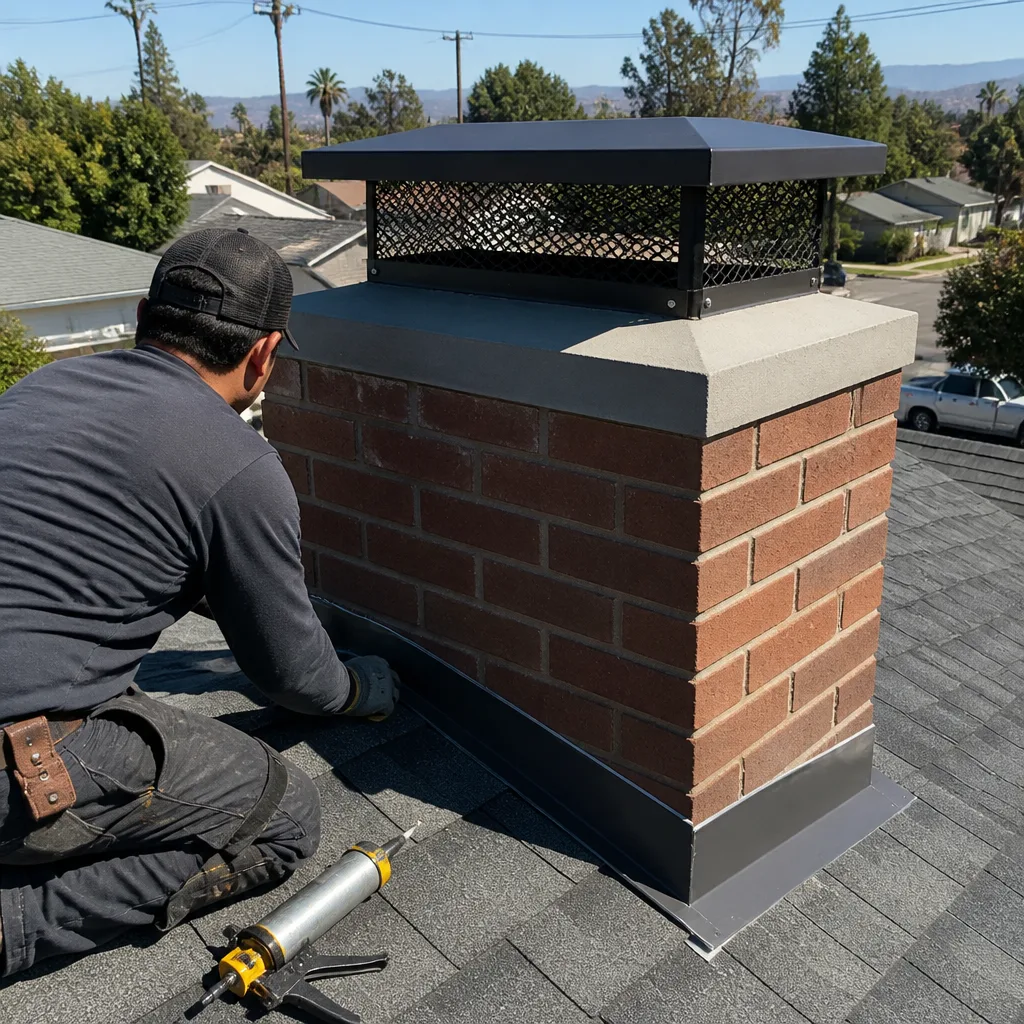
East Los Angeles has a specific environmental profile: dry Santa Ana winds, seasonal rain, and neighborhoods with mature trees that shed leaves, needles, and seed pods. Your chimney cap and damper take that abuse year-round. A failed cap lets rain into the flue, which accelerates liner deterioration and creates the conditions for water damage in the masonry. A failed damper lets conditioned air escape and lets outdoor debris drift in.
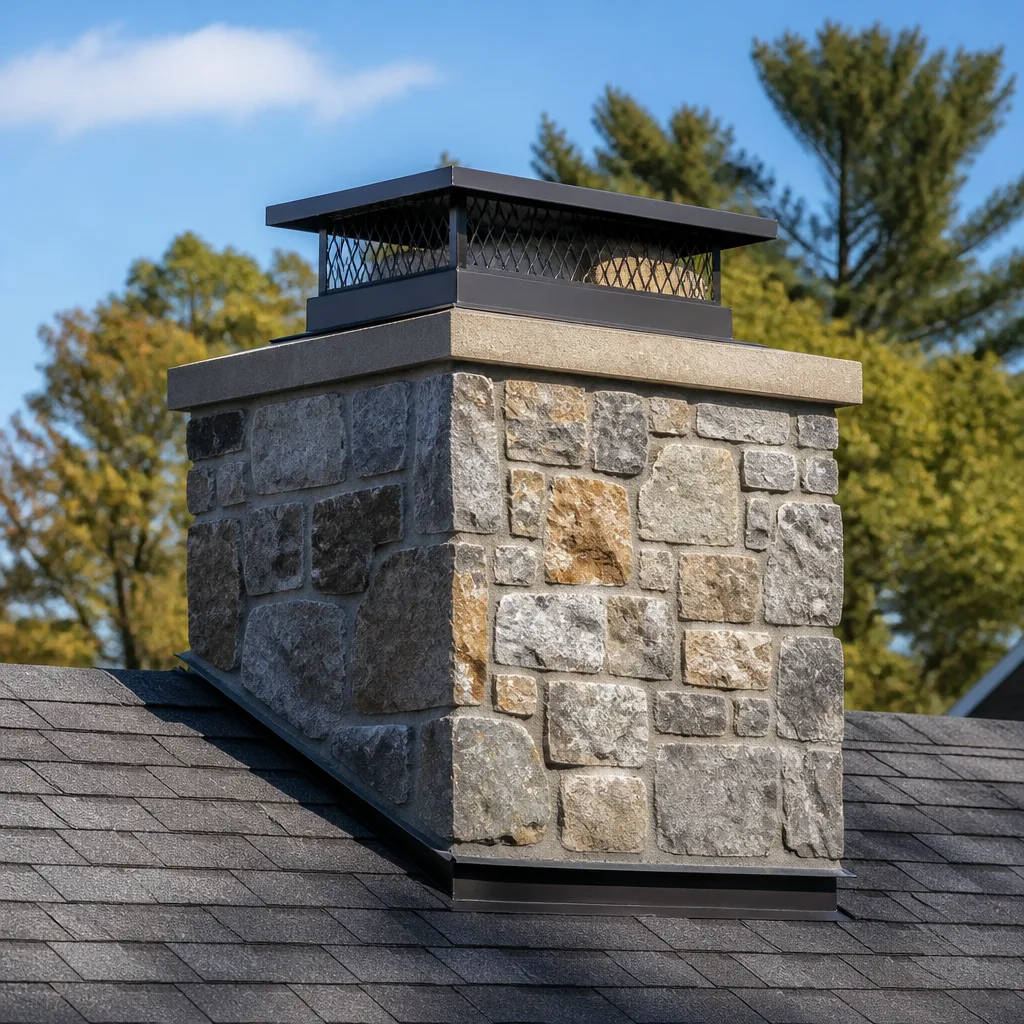
Copperfield Chimney Supply manufactures professional-grade caps and dampers that are built to perform in exactly this kind of environment. The difference between a Copperfield cap and a box-store alternative comes down to materials and fit. A generic cap is often a one-size-fits-most piece of thin sheet metal. A Copperfield cap is sized to your specific flue and built from materials specified for long-term exposure.
For East Los Angeles homeowners, this matters because the cost of a failed cap isn’t just the price of a new one. It’s the hidden damage: rusted dampers, deteriorated flue liners, water-stained ceilings, and in some cases, chimney fires fueled by creosote that a wet flue helped glaze onto the liner walls. We include exterior protection in every chimney evaluation because the parts of the chimney you can’t easily see are the ones that cost the most to repair. If you’re in the Chimney Sweep in South San Gabriel service area, that inspection includes cap and damper condition as standard.
Three Questions That Separate Material Experts from Name-Droppers
Any contractor can rattle off brand names. Here are three questions that force them to prove they know what those brands actually do for your chimney:
- “What liner system would you use for my flue type, and why?” A material expert will ask about your appliance first: wood-burning, gas insert, or wood stove. Each fuel type creates different demands on a liner. If the answer is just a brand name with no reasoning, that’s a red flag.
- “If my liner has minor damage, would you resurface or replace it?” The correct answer is “it depends on the condition,” followed by a real explanation of how they evaluate it. If they default to replacement without discussing HeatShield resurfacing as an option, ask why. If they can’t explain, they may be selling the more expensive path because they don’t stock resurfacing materials.
- “Do you carry the repair materials on your truck, or do you order after diagnosis?” This is the question that separates full-scope contractors from sweep-and-refer operators. A contractor who stocks DuraFlex, HeatShield, and related components can typically complete the repair on a second short visit. One who orders after diagnosis is working with a longer timeline, and that delay often gets blamed on supply chain issues that a stocked contractor would have avoided.
The Single-Vendor Advantage: Chimney and Dryer Vent Together
Here’s a fact that surprises most homeowners: dryer vent fires and chimney fires are two of the most common appliance-related residential fire risks in the United States. They share the same root cause: built-up combustible material in a ventilation path that never gets cleaned until something goes wrong.
With a single-vendor approach, one service relationship covers both systems. We sweep chimneys, repair chimney components, and clean dryer vents. That’s a deliberate scope, not a bundle. When the same company documents both systems, you get consistent service records, consistent inspection standards, and a single point of accountability. If a problem is found in either system, you’re not juggling two companies and two phone numbers.
The practical benefit shows up in how easy it is to stay on schedule. A chimney sweep and a dryer vent cleaning can be booked together. One visit, two fire-risk systems addressed. For East Los Angeles homeowners who use their fireplace seasonally and run their dryer year-round, that’s the difference between a maintenance calendar that works and one that slips. If you’re in the nearby Dryer Vent Cleaning in South San Gabriel area, the same logic applies: one call covers both.
What East Los Angeles Homeowners Specifically Should Know
East Los Angeles isn’t like other Southern California markets when it comes to chimney service. Here’s what we see specifically in this region:
Housing stock age. Many East Los Angeles homes were built between the 1930s and 1960s. These chimneys have decades of use behind them. Clay tile liners from that era are reaching the end of their service life, which means evaluations during a routine cleaning are more than a formality. They often uncover hidden deterioration that has been building for years.
Appliance mix. East LA has a high concentration of wood-burning fireplaces, but gas inserts are increasingly common as homeowners convert for convenience and air-quality considerations. The same chimney can’t simply be switched between fuel types without addressing liner and venting requirements. A contractor who knows DuraFlex and HeatShield systems can guide that conversation accurately.
Debris and moisture exposure. The combination of mature trees, seasonal Santa Ana winds, and occasional heavy rain means chimney caps and dampers fail faster here than in neighborhoods with newer construction or fewer trees. We inspect exterior protection on every visit, not just the interior flue.
Seasonal scheduling pressure. Most East LA homeowners think about chimney service in the fall, right before burning season. That creates predictable scheduling crunches. The smarter approach is a spring or summer sweep, which leaves the chimney ready before the first cold night and gives repair work time to be completed without any pressure.
For more on what repair work looks like in this market, see Chimney Repair in South San Gabriel, which covers the services we provide in the broader eastern Los Angeles area.
Common Mistakes to Avoid
- Choosing price over capability. A low quote from a sweep-only operator looks good until the inspection finds a liner issue and you’re suddenly paying for a second company to do the repair. You didn’t save money; you bought the job twice.
- Ignoring the material brands on the truck. If a contractor can’t name the liner system or resurfacing product they use, they probably can’t install one. Brand fluency is a capability marker, not marketing.
- Delaying a repair that was documented during a sweep. A cracked flue tile doesn’t heal. It widens with every heating cycle. The longer you wait, the more expensive the eventual fix becomes, and the higher the risk of a chimney fire in the meantime.
- Skipping the dryer vent. Dryer lint fires don’t announce themselves. If you’re scheduling a chimney sweep anyway, adding dryer vent cleaning to the same visit costs little and closes the second-largest appliance-fire risk in your home.
- Assuming gas chimneys don’t need cleaning. Gas fireplaces produce less creosote than wood, but they still accumulate debris, nest material, and in some cases, corrosion. An annual inspection remains the right frequency.
- Waiting until October to call. East Los Angeles isn’t unique here, but the seasonal rush is real. Book in the off-season and you’ll get faster scheduling and a more relaxed conversation about any repairs you need.
When to Call a Professional
Call for a professional chimney service if you haven’t had the chimney swept in the past 18 months, if you notice smoke backing into the room, if you see flaking masonry or rust on the cap, or if your dryer suddenly takes longer to dry clothes. These are warning signs, not quirks. A chimney professional can evaluate the flue, the cap, the damper, and the liner condition in one visit, and can also address the dryer vent while they’re on site. If you’re in East Los Angeles, Hickory Chimney Sweep offers free estimates. Call (855) 554-2841 to schedule.
Frequently Asked Questions
Chimney sweep pricing in East Los Angeles typically falls between $150 and $300 for a standard cleaning and inspection, depending on the height of the chimney, the amount of buildup, and whether repairs are identified during the visit. An exact quote requires seeing the chimney in person because access and condition vary widely from home to home. Call (855) 554-2841 for a free estimate.
It depends on the condition of the existing liner. Minor cracks, gaps, and surface deterioration can often be repaired using HeatShield resurfacing, which seals the flue without removing it. If the liner has collapsed, separated, or is missing in sections, a full DuraFlex flexible liner replacement is the correct call. A capable contractor will show you camera evidence of the damage and explain why one option fits your chimney better than the other.
The standard recommendation from fire-safety organizations is once per year for wood-burning chimneys. Gas fireplaces should be inspected annually, even though they produce less creosote. In East Los Angeles, where many homes have older chimneys, an annual sweep is the safest baseline because it catches deterioration early, before it becomes a larger repair.
Creosote builds up on the flue walls with every wood-burning fire. Creosote is combustible, and if enough accumulates, a hot fire can ignite it, producing a chimney fire that can crack the liner, spread to the home’s structure, and in serious cases, burn the house down. At minimum, skipping a sweep leaves you with a chimney that drafts poorly and a liner that deteriorates quietly. The cost of an annual sweep is a fraction of the cost of repairing a chimney fire’s damage.
The cap is the first line of defense against rain, debris, and animals entering the flue. In East LA’s windy and tree-heavy environment, a thin box-store cap will rust, warp, or lose its screen within a few seasons. A professional-grade cap, like those from Copperfield, is built for long-term exposure and sized to your specific flue. The upfront price difference is small compared to the cost of repairing water damage caused by a failed cap.
Yes, and it’s a better arrangement than splitting the work between two vendors. Both systems are ventilation paths that carry combustible material away from your home, and both need the same kind of scheduled maintenance. A single provider can document both systems, schedule both cleanings together, and give you one point of contact for any fire-safety issue that comes up. It’s not a convenience gimmick; it’s how consistent fire-safety records get built.
The Bottom Line
Choosing a chimney cleaning service in East Los Angeles comes down to a single question: does this contractor stock professional-grade materials and perform repairs, or do they clean and refer? For more guides & resources on making this decision, see our blog. The answer is visible in the brands on the truck, the questions the technician asks, and the explanations they give. Look for a full-scope fire-safety specialist who works with DuraFlex, HeatShield, and Copperfield products, who can show you camera evidence of any problem they report, and who covers both your chimney and your dryer vent. That’s the configuration that protects your home. The rest is pricing noise.
Written by the team at Hickory Chimney Sweep, serving East Los Angeles since 2013.
See the difference
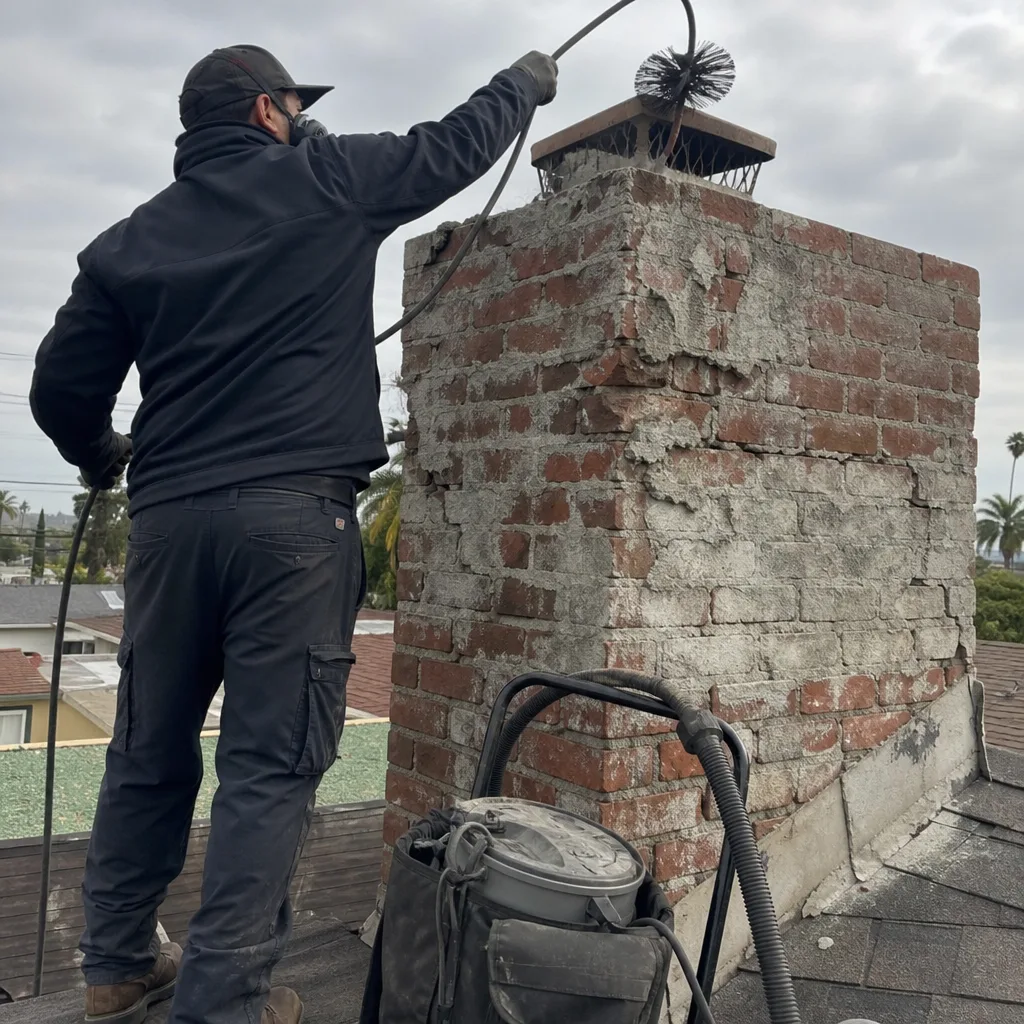 Before
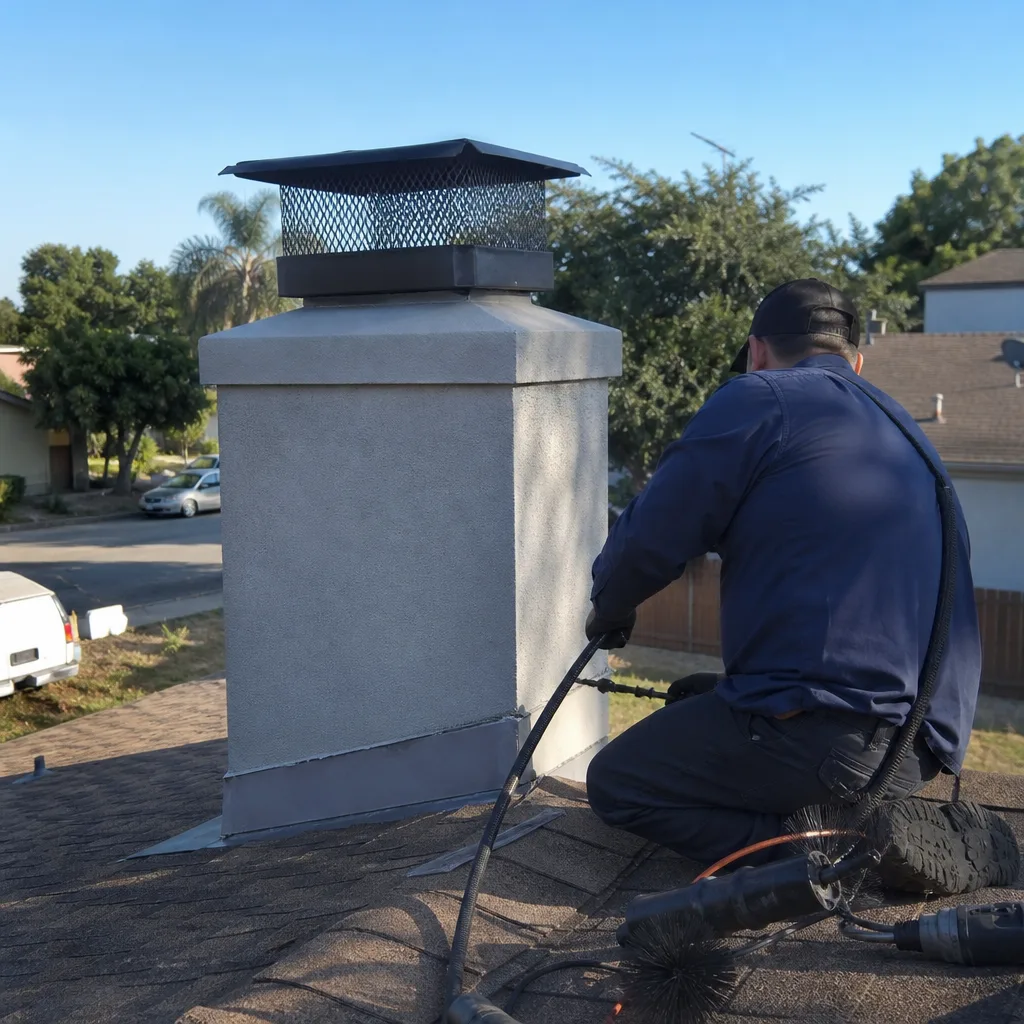 After
 Before
 After
 Before
 After